
How to tell if your child needs braces before they turn seven
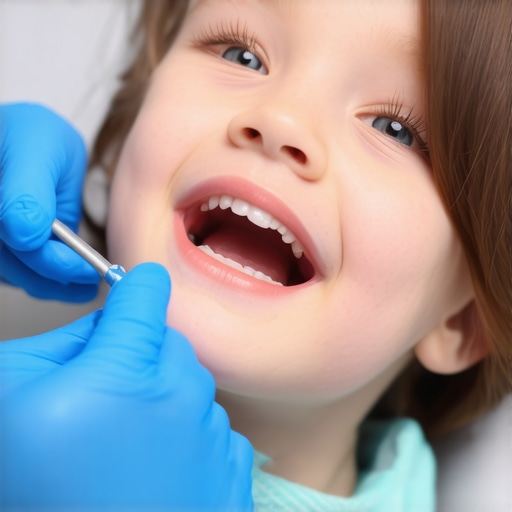
I’ll never forget the moment I realized I had missed the signs. My youngest was just five, and I brushed it off as ‘normal’ when he started complaining about his teeth feeling funny. But when I looked closer, I saw spaces in his teeth that didn’t quite close, and his upper jaw looked oddly misaligned. That lightbulb moment hit me hard—was it too early to worry about braces? As a parent, I felt overwhelmed, wondering if I should wait or act now.
Why Early Detection Matters for Your Child’s Oral Health
Understanding when to consider braces for your child can prevent more serious dental issues later on. Early identification of orthodontic needs can lead to simpler, less invasive treatments, and even save you money. Plus, addressing these concerns early often means your child’s oral development can stay on track, boosting their confidence and comfort. But how do you know if the signs you’re seeing are normal or a sign of something more? That’s what we’ll unpack today.
Are You Falling for These Common Myths About Kids and Braces?
My early mistake was assuming that my child’s teeth would straighten out on their own, a common misconception. I later discovered that waiting too long could complicate treatment and even cause jaw problems. For a clearer understanding, check out this comprehensive guide on braces and Invisalign options. Being informed helps you make the best decision for your child’s future.
Start with a Professional Evaluation
Schedule an appointment with a trusted family dentist to get a comprehensive dental exam. During this visit, the dentist will assess your child’s bite, teeth alignment, and jaw development. Be specific about concerns like spaces, crowding, or misalignment. Remember, early evaluation can lead to intervention strategies that are less invasive and more effective.
Gather Clear Information About Treatment Options
Learn about different orthodontic solutions suitable for your child’s age and needs. For most kids, options include traditional braces, Invisalign, or even functional appliances. Use resources like this guide to compare advantages. Know that Invisalign can be as effective as braces for many cases, and it offers discreet alignment—similar to hiding a small secret in your smile.
Make a Precise Treatment Plan
Work with your child’s dentist to develop a tailored plan. This involves determining the best time to start, preparing for any necessary dental work like crowns, or ensuring that jaw growth is properly guided. Think of it like planting a garden—timing and careful preparation yield the best results. During this phase, discuss potential challenges, such as maintaining oral hygiene with orthodontic appliances.
Embark on Interventions Early
Once the plan is set, begin treatment promptly. For instance, if a child exhibits significant spacing, early intervention with appliances can prevent future misalignment. Remember, delaying treatment is akin to waiting too long to fix a crack in a dam—it risks larger issues down the line. Regular check-ins ensure progress stays on track and adjustments are made as needed.
Prioritize Maintenance and Education
Teach your child proper brushing and flossing techniques tailored for braces or aligners. Use specialized tools, like the best toothbrushes for braces, to prevent plaque buildup. Consistent cleaning is vital—imagine your child’s mouth as a vehicle that needs regular oil changes; neglect leads to breakdowns. Incorporate fun routines to motivate them, reinforcing that oral health is a team effort.
Monitor Progress and Make Adjustments
Keep close tabs on treatment milestones through scheduled visits. If issues arise, such as discomfort or appliance loosening, address them immediately. Like tuning a musical instrument, small tweaks ensure harmony and prevent bigger problems. For example, if Invisalign trays start to smell or fit poorly, consult your dentist about replacements or cleaning tips.
Encourage Long-Term Oral Care Habits
Post-treatment, establish routines that maintain your child’s new smile. Regular dental cleanings, using recommended products, and avoiding harmful habits—like nail-biting or sugary snacks—are essential. Think of it as maintaining a well-trained garden; consistent care prevents weeds from taking over. This foundation sets the stage for a lifetime of confident smiles and healthy bites.
Through these strategic, step-by-step actions, you transform uncertainty into confidence—turning your child’s dental journey into a smooth, successful experience. Remember, each phase builds on the last, ensuring that their smile stays healthy and radiant for years to come.
Many people believe they understand the basics of family dentistry, crowns, and Invisalign, but the truth is, there’s often more beneath the surface. A common misconception is that all dental crowns are created equal, leading patients to underestimate the importance of choosing an expert for long-lasting results. As highlighted in this detailed guide on [choosing the right crown](https://familydentistpro.com/choosing-the-right-crown-expert-advice-for-long-lasting-results), the quality of materials and technician skill significantly impact durability and aesthetics. Opting for cheap or generic options can result in frequent replacements and compromised oral health.
Another pitfall is thinking that Invisalign is a one-size-fits-all solution. Many assume it’s suitable for all types of misalignment, but advanced cases require traditional braces or other interventions. For a nuanced understanding, check out [Invisalign innovations](https://familydentistpro.com/invisalign-innovations-the-future-of-family-dentistry-revealed-at-1137-am), where experts explain for whom Invisalign works best—and when alternative treatments become necessary.
The biggest myth that persists is the idea that good oral health simply involves brushing and flossing. While these habits are foundational, overlooked nuances like the impact of diet, saliva, and even genetic factors play crucial roles. Recent studies, such as those summarized in [top oral health tips](https://familydentistpro.com/top-oral-health-tips-for-your-familys-bright-smiles), emphasize that personalized care plans led by professionals can prevent complex issues like periodontal disease that common routines can’t address.
Beware of the trap many fall into: delaying professional evaluations because of perceived costs or time commitments. However, neglecting early signs can lead to more invasive and expensive procedures down the line, such as root canals or crowns. Regular check-ups with a trusted family dentist as explained [here](https://familydentistpro.com/family-dentistry-secrets-maintaining-oral-health-with-modern-techniques-at-254-pm) are investments that save money and preserve your smile.
Advanced readers often ask: How can I differentiate between superficial problems and signs of underlying systemic issues? Understanding subtle clues like persistent bad breath or gum bleeding—detailed in [the 2-minute check for crowns](https://familydentistpro.com/the-3-second-check-to-see-if-your-dental-crown-is-loose)—can be crucial. Recognizing these nuances helps in early intervention, preventing minor issues from escalating.
Remember, genuine expertise in family dentistry depends on awareness of these details. By understanding the intricacies behind treatments like crowns or Invisalign, you become empowered to make better decisions for your oral health. So, have you ever fallen into this trap? Let me know in the comments. Knowledge is your best tool for a healthier, happier smile.
Keep Your Dental Success Rolling with the Right Tools
When it comes to maintaining your oral health, having the right tools can make all the difference. Personally, I swear by a few specialized devices that enhance cleaning efficiency and help prevent issues like plaque buildup or enamel erosion. One of my top recommendations is the **AirFloss by Philips Sonicare**—it’s fantastic for reaching those tight spaces between teeth that traditional floss might miss, especially if you have braces or crowns. Its pressurized microbubbles effectively dislodge debris, reducing the risk of cavities and gum disease.
For everyday brushing, I suggest the **Sonicare DiamondClean Smart** toothbrush. Not only does it provide superior plaque removal with sonic vibration technology, but its built-in sensors give real-time feedback on brushing pressure and coverage. This feedback has personally helped me refine my technique, ensuring thorough cleaning without damaging my gums. The app integration also allows for tracking progress and setting goals, which keeps motivation high.
Beyond tools, I focus on software that supports long-term oral health. Digital dental records and patient portals—like the platforms used by trusted family dentists—offer convenient access to your treatment history, appointment scheduling, and educational materials. Staying informed and organized means you’re less likely to forget regular check-ups or at-home care routines, which are vital for preserving crowns and aligning appliances like Invisalign.
How do I keep my restorations and aligners working smoothly over time?
Routine maintenance is key. For crowns, I regularly inspect for signs of wear or looseness and consult my dentist if I notice any issues. A recent study highlighted that proper cleaning protocols extend the lifespan of crowns significantly—using tools like interdental brushes and avoiding abrasive toothpaste can prevent premature deterioration.Ensuring durable crowns isn’t just about the initial procedure; it’s about ongoing care. Similarly, for Invisalign, diligent cleaning of aligners using specific solutions such as Invisalign cleaning crystals prevents cloudiness and bacteria buildup, which can compromise fit and effectiveness. Practical tips like storing aligners in ventilated containers when not wearing them help maintain their shape and cleanliness.
Looking ahead, I believe that emerging technologies—like AI-driven monitoring apps that track oral health through smartphone sensors—will become commonplace. These innovations will empower us to detect issues early and adapt our routines proactively. A fascinating example is a recent patent filed for smart toothbrushes equipped with AI that diagnose gum inflammation before it becomes evident to the naked eye. Staying ahead with these tools can truly revolutionize long-term oral care.
If you haven’t tried using an electric toothbrush with feedback features or investing in a high-quality water flosser, I encourage you to start today. Small, consistent improvements with these devices can add years to your dental restorations and keep your aligners working flawlessly. Remember, regular visits to your family dentist are also vital—combined with the right tools, you’re setting yourself up for a radiant, healthy smile for decades to come.
How a Single Misjudgment Changed My Entire Perspective on Family Dentistry
Early in my journey, I believed that children’s teeth would naturally straighten out over time. This misconception led me to delay crucial orthodontic evaluations, ultimately complicating my child’s treatment. The lightbulb moment came when I realized proactive assessment can prevent more invasive procedures later, emphasizing the importance of expert guidance.
My Go-To Resources for Smarter Oral Health Decisions
Over the years, I’ve come to rely on certain tools and references that genuinely improve my family’s dental routines. The comprehensive guide on braces and Invisalign options helped me weigh treatment choices wisely. Additionally, this crown selection resource clarified the importance of quality over cost, guiding me toward durable, aesthetic restorations.
You Have the Power to Take Charge of Your Child’s Smile
This journey isn’t just about treatment; it’s about cultivating confidence and long-term health. Don’t wait for visible problems to emerge—step into your role as an informed guardian. Regular check-ups, smart choices, and proactive care will set your family on a path toward vibrant, healthy smiles that last a lifetime. Remember, your actions today shape their happiest, healthiest tomorrow.