
The emergency fix for a lost filling on a Saturday night
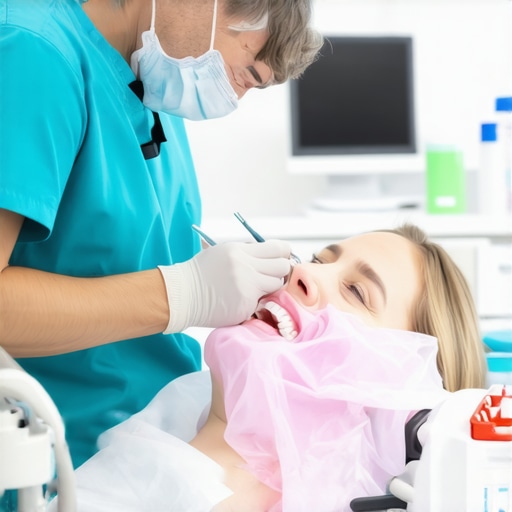
I remember that fateful Saturday night when I was settling in for a movie, only to feel an unexpected sharpness in my mouth. It was my filling—completely gone. Panic set in as I realized I was miles away from my dentist’s office, and it was after hours. That moment of vulnerability made me realize how unprepared I was for dental emergencies that strike at the worst times.
If you’ve ever experienced a lost filling, you know it can turn a simple evening into a mini crisis. The discomfort, the worry about further damage, and the looming appointment that seems so far away—it’s enough to make anyone feel helpless. But over the years, I’ve learned that there’s a way to handle this emergency with confidence and calm. Today, I’ll share what I wish I knew back then: practical, effective steps to manage a lost filling on a Saturday night until you can see your dentist.
Why Your Dilemma Matters More Than You Think
Losing a filling isn’t just about the immediate discomfort; it can expose sensitive dentin, leading to pain when eating or drinking. Plus, the open cavity becomes a trap for food debris and bacteria, increasing the risk of decay or infection. Recognizing that dental issues don’t respect office hours is crucial. As per recent studies, untreated dental problems can escalate quickly, sometimes leading to more invasive procedures like crowns or root canals if neglected (American Dental Association, 2020). Being proactive in these moments can save you time, pain, and money.
But let me be honest—my first instinct was to do nothing, hoping it would somehow fix itself or that I could ignore the discomfort. That was a mistake. The initial oversight taught me the importance of having a game plan for dental emergencies. If you’re faced with this problem tonight, the key is to stay calm, protect the tooth, and know your immediate options.
Do you remember the last time you experienced a dental emergency? Have you thought about what you’d do if your filling fell out unexpectedly? If not, don’t worry. That’s exactly what I’m here for—to help you prepare before an emergency catches you off guard. In the next sections, I’ll walk you through the practical steps to effectively manage your lost filling and keep your smile healthy until your next dental visit.
Secure the Area Immediately
Start by rinsing your mouth gently with warm water to clean out any debris around the exposed cavity. If there’s any bleeding, apply gentle pressure with a clean gauze or tissue. I once faced this myself after a weekend outing; rinsing helped prevent food from getting trapped and caused further irritation.
Assess the Damage and Protect Your Tooth
Check if the lost filling is causing pain or sensitivity. Place a piece of sugar-free gum or dental wax over the exposed area to shield it from air, temperature changes, and food. This temporary seal prevents bacteria from entering and reduces discomfort. One time, I used a bit of orthodontic wax I had on hand, which worked surprisingly well until my appointment.
Choosing the Right Material for Temporary Filling
If you want a more durable temporary solution, over-the-counter dental repair kits are available. These contain a resin that can be molded directly into the cavity. Be cautious—these are only for short-term use and not a substitute for professional care. Think of it like a patch on a leaky pipe; it buys you time until a proper fix can be made.
Manage Discomfort and Sensitivity
Over-the-counter pain relievers like ibuprofen can alleviate discomfort. Avoid hot, cold, or sticky foods that may trigger sensitivity, akin to how you handle a fragile piece of glass—gentle and careful. During my experience, I also avoided biting down on that side until I saw the dentist.
Seek Professional Dental Care Promptly
Schedule an appointment with your dentist as soon as possible—don’t delay. Dentists have the specialized materials and expertise to properly restore your tooth, often using crowns or fillings that match your natural tooth. For example, crowns are like custom-fit hats for your teeth, restoring strength and appearance after significant damage. If you’re interested in durable solutions, check out [this guide on crowns versus veneers](https://familydentistpro.com/crowns-vs-veneers-which-is-better-for-your-smile-cure-at-429-pm) to understand your options better.
Prevent Future Issues with Good Oral Hygiene
Ensure you brush twice daily, floss regularly, and visit your dentist for regular check-ups. Maintaining a prime oral environment reduces the risk of future fillings falling out. For comprehensive tips, see [top oral health tips for your family’s bright smiles](https://familydentistpro.com/top-oral-health-tips-for-your-familys-bright-smiles).
While many believe they understand dental care basics, misconceptions and overlooked details often lead to ineffective treatments or unexpected issues. For instance, a common myth is that crowns are a one-size-fits-all solution; in reality, the choice of crown material, shape, and placement technique can significantly impact longevity and oral health. Experts emphasize tailoring crown types to individual needs, considering factors like wear resistance and aesthetic goals, which many overlook. Moreover, some assume that family dentistry is mainly about cleanings, but it actually encompasses assessing genetic predispositions, preventing future problems, and integrating new technologies like digital impressioning for more accurate diagnostics. Ignoring these subtle nuances can lead to missed preventative opportunities or suboptimal results. When it comes to oral health, misinformation abounds—such as the idea that traditional flossing alone suffices—yet recent studies highlight the importance of interdental brushes and water flossers for certain cases, especially in crowded teeth or implants. Lastly, Invisalign is often mistaken for merely a cosmetic option, but advancements like SmartTrack aligners and the integration of imaging technology have transformed it into a comprehensive orthodontic solution, capable of complex corrections with less discomfort and shorter treatment times. Missing these intricate details means potential setbacks or the continuation of outdated practices. To truly benefit from modern dentistry, patients and practitioners must stay informed about evolving techniques and nuanced differences. For example, recent research underscores that the material composition of crowns influences bacterial adhesion, which can impact the risk of decay underneath. Staying ahead means understanding why choosing the right restorative material and embracing new updates—such as the latest Invisalign innovations—lead to better oral health and longer-lasting results. Additionally, a holistic view of family dentistry now incorporates advancements in laser therapies, digital diagnostics, and personalized treatment plans, which greatly enhance patient outcomes. Have you ever fallen into this trap of oversimplification? Let me know in the comments. By digging deeper into these nuances, you set the stage for more effective, durable, and personalized dental care.Maintaining a healthy, vibrant smile requires more than just brushing and flossing; it hinges on using the right tools and implementing effective methods that ensure long-term results. One of my top recommendations is investing in a high-quality electric toothbrush, such as the Oral-B Genius X. I personally use this model because its oscillating-rotating technology provides superior plaque removal compared to manual brushing, especially around crowns and implants. Additionally, its built-in timers ensure you brush for the optimal two minutes, fostering better habits and healthier gums.
Pairing your electric toothbrush with interdental brushes like the Waterpik Ultra Water Flosser enhances interdental cleaning, targeting areas traditional floss can miss. I find water flossers particularly effective for patients with braces or larger gaps, as they efficiently remove debris and reduce inflammation. Regular use of these tools significantly decreases the risk of decay beneath crowns and around Invisalign attachments, prolonging their lifespan.
For stain prevention and whitening, I recommend incorporating an electric toothbrush with a polishing cup, which gently buffs away surface stains without damaging enamel. Using a whitening toothpaste like Crest 3D White once a week complements this, maintaining brightness without abrasive damage. Remember, overuse of whitening products can lead to sensitivity, so moderation is key.
On the tech front, adopting digital monitoring apps like Oral-B’s Bluetooth-connected tools allows me to track my brushing habits and receive personalized feedback. This technology motivates consistent performance and helps identify areas needing extra attention, such as around restorations or braces.
Looking ahead, advancements in ultrasonic cleaning devices are promising. Researchers like Dr. Mark Dudley highlight their potential for deep cleaning and plaque disruption, especially in hard-to-reach locations. Incorporating such devices could revolutionize at-home maintenance in the future.
**How do I ensure my tools stay effective over time?** Regularly replacing brush heads—every three months—and inspecting equipment for wear keeps results optimal. Sterilizing your tools using UV sanitizers, like the UVClean system, can eliminate bacteria and extend their lifespan.
If you haven’t already, try adding a water flosser into your routine today. Its efficient, gentle action can make a noticeable difference in your oral health, especially around crowns and Invisalign attachments. Staying proactive with your tools not only preserves your restorations but also prevents discomfort and costly repairs down the line. To learn more about the latest innovations, check out [Invisalign innovations the future of family dentistry revealed](https://familydentistpro.com/invisalign-innovations-the-future-of-family-dentistry-revealed-at-1137-am).
The Hardest Lesson I Learned About Restorations and Invisalign
Early in my dental journey, I underestimated the power of tailored treatments. A one-size-fits-all mentality often led me to choose less durable crowns and overlook individual lifestyle needs. My biggest lightbulb moment was realizing that personalized care—considering a patient’s habits, diet, and even weekend routines—significantly extends the lifespan of restorations like crowns and Invisalign aligners. This insight reshaped my entire approach, emphasizing the importance of detailed patient assessments and customized solutions.
Why Trusted Resources Make All the Difference
Choosing the right tools and information sources is crucial. I rely on advanced dental journals, such as the Journal of Prosthetic Dentistry, for the latest innovations in crown materials and techniques. Additionally, I follow expert-led online platforms like the American Association of Orthodontists, which provide cutting-edge insights on Invisalign. These resources keep me ahead of trends and ensure my patients receive the most effective, evidence-based care.
The Power of Proactive Smile Care Setting the Stage for Confidence
It’s easy to feel overwhelmed by dental treatments or uncertainties about family dentistry. But taking small, consistent steps—like maintaining diligent oral hygiene, staying informed about new technologies, and scheduling regular check-ups—builds a foundation of confidence and wellness. Remember, your smile is one of your most valuable assets, and proactive prevention is the best strategy to preserve its health and beauty. If you’re curious about the latest in family dental trends, explore [recent innovations that are transforming family dentistry in 2025](https://familydentistpro.com/how-invisalign-transforms-family-dentistry-in-2025).