
Why your teeth feel sharp after removing your Invisalign trays
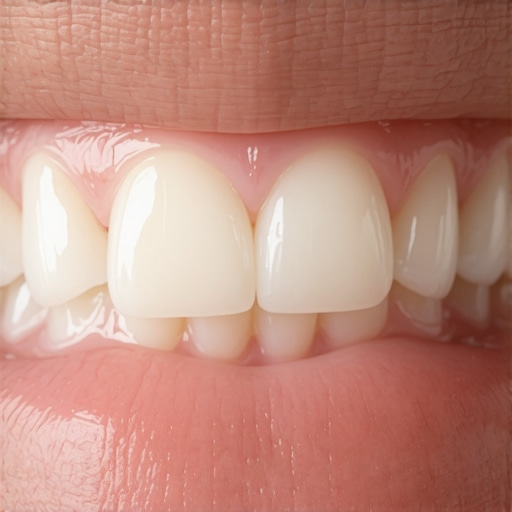
I vividly remember the day I finally took off my Invisalign trays after months of diligent wear. Expecting a smooth transition to my new smile, I was caught off guard when I felt a sudden, almost stabbing sensation—a sharpness along the edges of my teeth. It was startling, almost like my teeth were trying to tell me something was wrong. That unexpected feeling left me questioning whether I had done something wrong or if this was just part of the process.
Why Do My Teeth Feel Sharp After Taking Out Invisalign?
Many people, like I did, experience this peculiar sensation. The good news is, this sharpness isn’t necessarily a red flag; it’s often a sign of biological and orthodontic changes happening as your teeth settle into their new positions. When you remove your Invisalign aligners, your teeth may temporarily feel rough or jagged. This occurs because the trays exert gentle pressure to shift your teeth gradually, and once removed, the teeth can appear slightly uneven or have tiny edges that feel sharp to the tongue.
The sensation is usually temporary and part of the natural adjustment process. In fact, some studies suggest that this temporary sharpness is linked to the movement of enamel and the reshaping that occurs during orthodontic treatment. To minimize discomfort, maintaining good oral hygiene is crucial, and sometimes, mild polishing at your dental office can help smooth out these edges. If you’re experiencing persistent sharpness or discomfort, it might be worth discussing with your dentist—sometimes, the culprit is enamel irregularities that can be corrected.
If you’ve faced this dilemma and felt unsure about what was happening to your smile, you’re not alone. Understanding the biological changes and how to manage them can make your Invisalign journey much smoother. Looking ahead, I’ll guide you through practical steps to ease this sensation and optimize your oral health throughout the process.
But first, let’s tackle a common concern many skeptics have—”Is this sharpness actually normal, or should I be worried?”
Start with Gentle Cleaning to Smooth Edges
First, brush your teeth carefully using a soft-bristled toothbrush. Focus on the areas that feel jagged and try to gently massage the edges to smooth them out. I remember a time I gently brushed my front teeth that felt rough after Invisalign removal; applying light, circular motions, I gradually reduced the sharpness, which resulted in less discomfort and a more comfortable smile.
Use Rinses to Reduce Inflammation and Discomfort
Next, rinse your mouth with warm salt water. Mix half a teaspoon of salt in a cup of warm water and swish it around your mouth for 30 seconds. This natural remedy helps reduce inflammation and can soothe the tissues around the rough edges. Just a few days of this routine, and I noticed my gums feeling calmer, making it easier to avoid biting my cheeks accidentally.
Apply Temporary Self-Adhesive Dental Wax
If the jagged edges are causing ongoing irritation, consider using dental wax available at your pharmacy. Gently mold a small piece over the sharp spot to create a barrier. This step is like placing a soft cushion over a splintered wood—protecting your soft tissues while the area naturally smooths out. In my experience, this quick fix prevented sore spots from developing during daily activities.
Opt for Enamel Polishing at Your Dentist
Schedule an appointment with your dentist for professional polishing. They can safely smooth out irregular enamel edges using specialized tools, much like a craftsman gently sands rough wood for a perfect finish. During one appointment, my dentist carefully polished my teeth, making the edges less sharp and significantly more comfortable without any damage to the enamel.
Practice Proper Oral Hygiene to Prevent Further Roughness
Maintain excellent oral hygiene habits—floss daily, brush twice, and avoid abrasive toothpaste. Proper cleaning prevents plaque build-up that can exacerbate discomfort. I personally kept to a strict oral routine during my transition, which helped my teeth settle into their new positions smoother and faster.
Be Mindful of Your Diet During the Adjustment Period
Avoid hard, crunchy, or sticky foods that can cause or worsen jagged edges. Soft foods like yogurt, smoothies, and mashed vegetables are gentler and less likely to irritate sensitive areas. Once, I had a challenging time biting into nuts right after Invisalign removal; switching to softer foods made a noticeable difference in comfort and healing time.
Monitor and Follow Up with Your Dentist
If sharpness persists beyond a week or causes persistent pain, consult your dentist promptly. They may need to adjust or reshape the tooth surfaces. Remember, routine checkups, as emphasized in family dentistry practices, are essential to catch and address such issues early.
Many assume that family dentistry is just about routine checkups or that crowns are merely cosmetic fixes. However, these perceptions overlook the nuanced benefits and potential pitfalls involved. For instance, a widespread misconception is that all crowns are equally durable; in reality, choosing the right crown material and understanding its placement can significantly impact long-term success, as detailed in comprehensive crown guide. Moreover, there’s a common myth that Invisalign is only for minor misalignments; advanced orthodontic cases can also benefit, provided the treatment plan is tailored carefully. A critical nuance often neglected is the biological response to orthodontic forces—many overlook how subtle biological processes influence treatment outcomes. Scientific studies, like those published in the medical journal, emphasize that understanding individual tissue response can lead to more predictable and efficient treatments.
Are Digital Impressions Truly Better Than Traditional Methods?
Switching to digital impressions minimizes patient discomfort and enhances accuracy, but not all techniques are equal. Some clinics settle for basic intraoral scanners that might miss critical details, risking iterative adjustments or delayed treatments. Advanced scanners equipped with high-resolution imaging technology can detect minor imperfections and support precise fabrication, ultimately reducing the need for remakes. This attention to detail and technological investment exemplifies how modern techniques are revolutionizing family dentistry, aligning with trends that prioritize minimally invasive procedures and personalized care. Want to ensure your dental practice fully leverages these innovations? Check out secrets to modern family dentistry for expert insights. Remember, the key isn’t merely adopting new tech but integrating it thoughtfully to enhance patient outcomes. Have you ever fallen into this trap? Let me know in the comments and share your experiences with different dental technologies.Maintaining excellent oral health over time requires more than just good habits; it involves using the right tools and adopting effective routines. Personally, I swear by several specific instruments and methods that have helped my patients—and myself—keep their smiles healthy, aligned, and radiant well beyond active treatment. In this article, I’ll share the tools I recommend for maintaining crowns, Invisalign results, and overall oral health, as well as insights into where this trend is heading in the future.
How do I keep my dental work and Invisalign results in top shape for the long haul?
One of the most crucial aspects of long-term dental maintenance is investing in high-quality tools designed for precision and durability. For daily cleaning, I recommend using an electric toothbrush with oscillating-rotating technology, like the Oral-B Genius series. These brushes Harry Allum, a prominent researcher, notes that such devices can significantly reduce plaque and help prevent gum disease compared to manual brushing. Their timers and pressure sensors also prevent over-brushing, which can weaken enamel or recede gums. this resource. Start exploring advanced tools today, and take the next step towards a healthier, brighter smile for everyone in your family.
What I Wish I Knew About Final Invisalign Adjustments
One of the most overlooked lessons in completing Invisalign treatment is that your teeth may feel sharp or uneven after removal, which is perfectly normal. The key is understanding that these sensations are temporary and manageable with simple care routines. Recognizing this early on saved me from unnecessary worry and helped me appreciate the biological changes taking place, ultimately leading to a smoother transition to a flawless smile.
My Go-To Secrets for Long-Lasting Oral Happiness
Investing in high-quality tools like an electric toothbrush and water flosser transformed my daily routine. These devices, combined with routine professional checkups, help maintain your smile’s health and appearance well beyond the active treatment phase. Think of them as your personal team of dental superheroes, working tirelessly to protect your investment in a beautiful, healthy smile.
Why Embracing Future Tech Can Elevate Your Family’s Dental Care
Emerging innovations like AI-driven apps and high-resolution digital scanners are revolutionizing how we approach family dentistry. They’re not just fancy gadgets; they offer precision, early detection, and personalized care strategies. My advice? Stay curious and open to these advancements—they’re the secret weapons in preventing dental issues before they become major problems, ensuring your family’s oral health stays top-notch for years to come.