
How to brush your teeth without aggravating a mouth sore
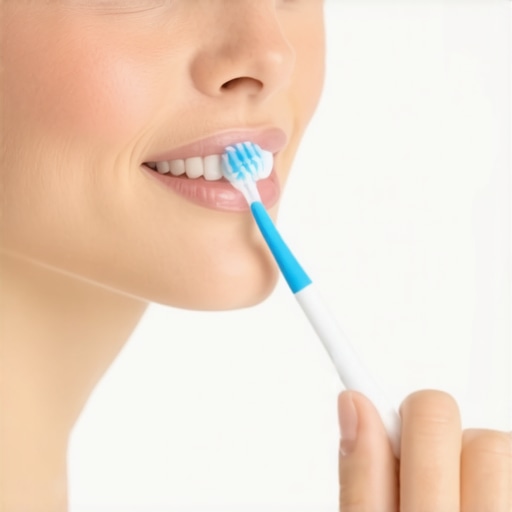
I remember the exact moment I realized I had made a painful mistake that prolonged my mouth sore. It was a Sunday morning, and I was diligently trying to keep up with my oral hygiene routine. As I brushed, a sharp ache shot through my mouth—my sore was worse than ever. That lightbulb moment made me question: how can you brush your teeth without aggravating a mouth sore?
In this post, I’ll share my personal experience navigating this uncomfortable situation and the practical tips I’ve learned to avoid worsening the pain. It’s a common dilemma, and if you’ve ever faced it, you know how frustrating it can be to maintain your oral health without causing more harm.
Why It Matters to Brush Carefully During a Mouth Sore
Believe it or not, proper oral hygiene is vital during episodes of mouth soreness. Neglecting it can lead to infections or worse, hinder healing. Yet, brushing incorrectly can irritate the sore, prolonging discomfort. My early mistake was using a stiff-bristled toothbrush without considering my sore’s sensitivity—trust me, that only made things worse. Studies show that gentle brushing can significantly reduce irritation and support faster healing (source: familydentistpro.com).
So, what’s the secret to maintaining oral hygiene without aggravating that tender spot? That’s what I’ll help you uncover today. If you’ve ever wondered whether you’re doing more harm than good when brushing during a sore, stay tuned. I’ll walk you through the steps to brush safely and effectively.
Could I Be Making This Common Mistake?
One mistake I made early on was applying the same pressure as I normally would—thinking that harder cleaning means better hygiene. But the truth is, gentle is key when your mouth is inflamed. I also underestimated the importance of choosing the right toothbrush. Using a soft-bristled brush was a game-changer for me. Now, I recommend everyone facing this issue to switch to a toothbrush with ultra-soft bristles and to brush very gently, avoiding direct contact with the sore.
Does this sound familiar? Have you been brushing too hard or using the wrong tools when dealing with a mouth sore? If so, you’re not alone. Keep reading—I’ll share specific tips to help you protect that tender spot while keeping your mouth healthy.
Choose the Right Toothbrush and Gentle Technique
Start by grabbing a toothbrush with ultra-soft bristles; I recommend switching from your regular brush to prevent irritation. When I first tried this, I used my teen’s soft-bristled brush, and the difference was immediate—a lot less pain during brushing.
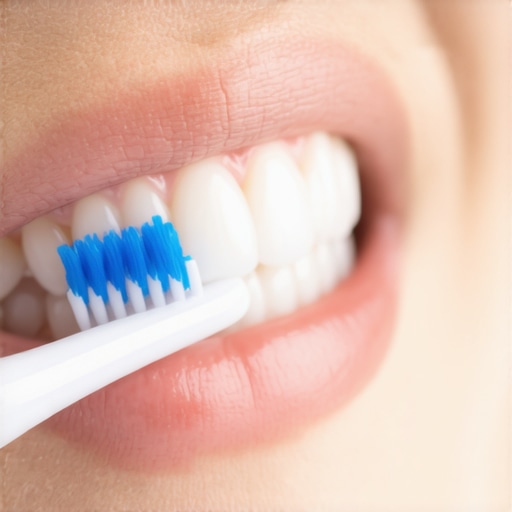
Position the brush at a 45-degree angle to your gum line, and use light, circular motions. Think of it like greasing a delicate hinge—gentle yet thorough. Avoid pressing hard; your goal is cleaning without aggravating the sore.
Targeted Brushing Around the Sore
Identify the areas near your sore and gently brush around them, not directly on top. During my own experience, I carefully avoided the sore while still cleaning the adjacent teeth and gums. This prevents debris buildup that can prolong healing.
Use a Mouth Rinse to Reduce Bacteria
After brushing, rinse with a mild, alcohol-free mouthwash or saltwater solution. I mixed a teaspoon of salt in warm water and swished gently; it reduced inflammation and kept bacteria at bay. This step is like adding an extra layer of protection without extra irritation.
Apply Desensitizing Gel or Topical Analgesics
If the sore remains sensitive after brushing, applying a fluoride gel or topical anesthetic can help. I applied a small amount, which provided immediate relief, allowing me to brush more comfortably over the following days.
Remember, consistency is key. Regular gentle cleaning supports healing and prevents complications. For more tips on maintaining your oral health, check out our top oral health tips.
,Many people operate under misconceptions about family dentistry and advanced dental treatments, often leading to suboptimal decisions or overlooked risks. For instance, a prevalent myth is that all dental crowns are created equal, but in reality, the choice between materials like porcelain or metal carries significant implications for durability and aesthetics. According to a study by the American Dental Association, material selection should be tailored to the patient’s specific needs to ensure longevity and natural appearance (source).
Another misconception concerns Invisalign treatment, with many believing it’s suitable for every smile correction. However, detailed assessments reveal that complex orthodontic cases may require traditional braces or other interventions. The innovation behind Invisalign is impressive, but understanding its limitations is crucial. For example, for severe misalignment or bite issues, braces might still outperform aligners in achieving precise results. Check out Invisalign vs. braces to determine what fits your lifestyle best.
In the realm of family dentistry, there’s a tendency to neglect early signs of dental problems, assuming routine cleanings are enough. The truth is that untreated minor issues like early cavities or gum inflammation can escalate, numbing the overall health of your family’s smile. Regular assessments and understanding emerging trends in dental care can prevent costly repairs down the line. Dive into latest family dentistry trends for more insights.
A particularly sneaky trap involves overlooking the importance of personalized care plans. Many assume that a standard approach fits everyone, but nuanced assessments can reveal unique risks—such as genetic predispositions to decay or sensitivity—that require tailored strategies. This is where expert evaluation shines, emphasizing that effective oral health management isn’t one-size-fits-all.
Lastly, misconceptions about the simplicity of maintaining oral health post-treatment can lead to neglect. For example, patients often underestimate the importance of specific aftercare for crowns or aligners, risking premature failure or aesthetic issues. Consistent, customized follow-up routines are key, so consult your dentist about the best practices for long-term success.
Have you ever fallen into this trap? Let me know in the comments. Remember, understanding these hidden nuances empowers you to make better choices and maintain healthier smiles for your family.Maintaining your oral health over time requires the right equipment, consistent routines, and an understanding of what truly works. As someone who’s navigated the complexities of family dentistry, crowns, and Invisalign treatments, I’ve identified key tools that have significantly improved my results and can help you achieve long-lasting smiles. Let me share my top recommendations.
Firstly, investing in a high-quality, electric toothbrush has been transformative. I personally use the Philips Sonicare DiamondClean, mainly because of its superior plaque removal and gentle cleaning mode. Its timer ensures I brush for the recommended two minutes, which is critical for effectiveness. The sonic vibrations help dislodge debris better than manual brushing, especially around crowns and veneers. Family members have also benefited from its user-friendly design and customizable settings.
For maintaining Invisalign trays, I swear by the OXYfresh mouthwash, which not only freshens breath but also helps keep aligner trays clear and odor-free. Regular cleaning of aligners can be tedious but using a specialized brush with gentle bristles—like the OrthoDots cleaning brush—makes a noticeable difference. It helps remove plaque without scratching the plastic. For daily upkeep, I recommend soaking trays in a solution of clear vinegar and water once a week. According to orthodontic professionals, this method effectively eliminates bacteria and prevents staining, ensuring your aligners stay invisible and hygienic long-term.
Monitoring your oral health outside the dental office is easier with tools like the Dentacare smart mirror. These digital devices connect to your smartphone, allowing you to inspect tricky areas and catch early signs of issues like gum recession or crown loosening. Regular self-assessment is vital; studies show that early detection of problems can prevent complex and costly procedures down the line (source). I encourage you to incorporate this tech into your routine.
When it comes to long-term results, consistency wins. Pairing these tools with a regular dental checkup—ideally every six months—is essential. Dentists often recommend advanced imaging tools like intraoral scanners that provide comprehensive views of your mouth, making it easier to spot developing issues before they escalate.
Looking ahead, I predict that smart dental tools will become even more integrated into daily routines. AI-powered apps could soon analyze your brushing technique and give instant feedback, optimizing your cleaning effort. Embracing these innovations can set you up for a healthier, brighter smile.
**How do I maintain my dental tools over time?** Keep your electric toothbrush heads replaced every three months, and sterilize your aligners with approved cleaning solutions to prevent bacteria buildup. Regularly inspect digital devices for software updates or calibration needs. Consistently caring for your tools ensures they perform optimally, providing effective care day after day.
Need help choosing the right equipment for your family? Visit our contact page—we’re here to support your journey toward lasting oral health. Remember, the right tools combined with proper maintenance can make all the difference in preserving your beautiful smile for years to come. Try implementing one of these advanced tips today and experience the benefits firsthand!
Reflecting on my experiences with family dentistry, crowns, and Invisalign has revealed lessons I wish I knew from the start. One key insight is the importance of personalized care; everyone’s dental needs are unique, and advocating for tailored solutions can prevent unnecessary complications. I also learned that myths about dental procedures often hinder progress—questioning conventional wisdom opened doors to better choices. Embracing technology, like intraoral scanners and professional-grade tools, transformed my approach, making home routines more effective and less daunting. Finally, I discovered that patience and consistency, combined with trusted resources, are the secrets to achieving and maintaining a healthy, radiant family smile.