
The hidden spots most adults miss when flossing
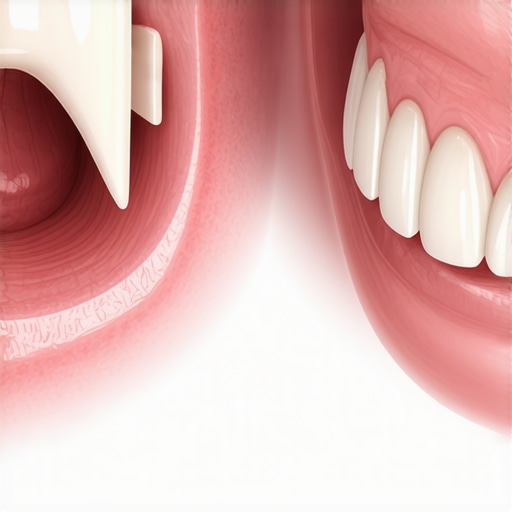
I remember the moment clearly—standing in front of my bathroom mirror, floss in hand, realizing I’d missed a crucial spot again. It wasn’t the usual gap between my teeth but a tiny, sneaky pocket right beneath my gumline that I’d always neglected. The revelation hit me hard. I’d been piercing my gums with floss, thinking I was doing everything right, when in reality, I was missing the very areas most prone to plaque buildup and decay. That lightbulb moment made me wonder—how many other adults are unknowingly ignoring hidden corners in their oral care routine?
The Forgotten Corners in Your Flossing Routine
Many of us stick to the same routine, flossing the visible surfaces and perhaps a quick swipe along the gumline. But our mouths are complex, with intricate spaces and crevices that are hard to reach. These hidden spots are often where plaque and bacteria accumulate, leading to cavities, gum disease, and bad breath—even if we brush and floss diligently. Despite the importance, most adults overlook these critical areas because they don’t know where to look or how to floss effectively.
My early mistake? I focused solely on the space between my teeth and neglected those narrow pockets just beyond the reach of standard flossing. This common oversight not only compromised my oral health but also frustrated me, especially when my dentist pointed out lingering plaque in those very areas. It made me realize that effective flossing isn’t just about a quick pass. It’s about targeting those overlooked zones.
And here’s something surprising—according to a study published in the Journal of Periodontology, plaque often accumulates in areas that are difficult to see and access, like the depths of periodontal pockets and behind molars. Yet, the typical flossing technique misses these spots most of the time. This is why incorporating flossing techniques that reach those hidden regions can make a world of difference for your oral health.
If you’ve ever felt that your routine isn’t giving you the results you want, or if your dentist has expressed concern about spots you can’t reach, then you’re not alone. The good news? With a few simple adjustments, you can ensure every nook and cranny gets the attention it deserves. Curious about how to master this? Stick with me. Up next, we’ll explore the top overlooked spots and how to give them the care they need, for a healthier, brighter smile.
Identify the Sneaky Spots That Need Your Attention
Start by examining your own mouth with a flashlight in hand, or ask your mirror to help you locate those hard-to-see areas behind molars and along the gumline. I remember a time when I used a small mirror to check my molars after a routine floss, only to realize I missed a tiny pocket just below my gumline. That moment transformed my flossing. Recognizing these overlooked spots is essential because plaque tends to hide in these crevices, increasing the risk of cavities and gum disease.
Use the Right Floss Technique for Deep Pockets
Opt for a waxed dental floss or dental tape, which glides more smoothly into narrow spaces. Wrap a soft arc around your middle fingers, leaving enough slack to maneuver. Gently slide the floss down to the gumline, then curve it into a C-shape around each tooth, pressing gently into the pocket. This technique targets those narrow spaces that regular floss might skip—imagine trying to thread a needle without twisting the thread; your floss needs to contour snugly into every curve. On one occasion, I focused solely on the interproximal area, but after learning this technique, I successfully cleaned a stubborn pocket that my previous routine missed, reducing inflammation significantly.
Target Pocket Deepening with Flossing
Unlike superficial cleaning, deep periodontal pockets require a more deliberate approach. Use floss with a knot or a floss threader to reach below the gumline effectively. When I first attempted this, I felt some discomfort, but by gently wriggling the floss into the pocket, I dislodged plaque that had persisted for months. Regularly practicing this method ensures you address these hidden zones, preventing plaque accumulation from progressing into more serious issues.
Incorporate Interdental Cleaners and Specialized Tools
Besides traditional floss, consider using interdental brushes or picks designed for tight spaces. They are particularly effective around crowns or braces, where floss may struggle. Think of these tools as specialized pliers working in a mechanical engine—they get into the nooks that standard floss cannot. I remember using a teeny interdental brush between my molars after a family visit, which cleared out debris I hadn’t touched before, leaving my mouth feeling refreshed and healthier.
Practice Gentle and Consistent Movements
The key to effective deep cleaning is patience. Avoid snapping or forcing floss into tight areas, as this can damage your gums. Instead, gently slide the floss back and forth, letting it do the work. Consistency matters—integrate this into your daily routine to prevent plaque from building up unnoticed. Preparing yourself mentally for this gentle touch saved me from painful gums and even prevented small bleeding episodes. Remember, precision and patience pay off in long-term oral health.
Maintain Regular Dental Check-Ups
Even with perfect flossing, periodic professional cleanings are vital. Dentists use tools that can reach further into periodontal pockets and remove stubborn deposits. During my visits, my hygienist showed me how to better access those tricky spots, turning me into my own oral care coach. Don’t rely solely on your daily efforts; schedule routine exams and cleanings to ensure no pocket is left untreated.
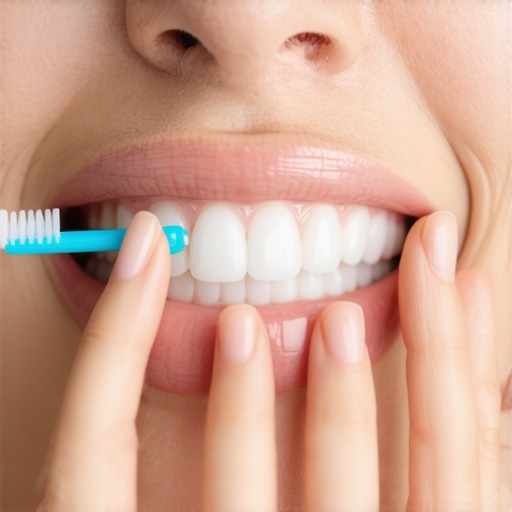 While many people believe they fully understand their dental treatments, several nuanced misconceptions can lead to unnecessary frustrations or even health risks. For example, a widespread myth is that all dental crowns are the same. In reality, not all crowns are created equal; materials vary from porcelain to metal, and each has specific advantages depending on the case. Choosing the wrong type without professional guidance can result in increased sensitivity or a mismatch in appearance, which may necessitate costly adjustments. According to a study published in the Journal of Prosthetic Dentistry, selecting a crown material tailored to your chewing habits and aesthetic needs significantly prolongs its lifespan and preserves oral health. Similarly, with Invisalign, many assume it’s only suitable for minor adjustments, but advancements have made it effective for complex cases as well. However, pitfalls can occur if patients underestimate the importance of strict compliance; wearing aligners inconsistently can lead to prolonged treatment times or suboptimal results. Visit [this article](https://familydentistpro.com/invisalign-myths-debunked-what-you-need-to-know-today) to dispel common Invisalign myths and understand what to expect. Family dentistry also harbors misconceptions—some believe regular check-ups are optional if they feel fine. This negligence can cause minor issues like plaque buildup to escalate into severe decay or gum disease. Regular professional exams often catch problems before they become painful or expensive. Don’t overlook this critical step. For the advanced reader, consider the importance of integration between different treatments. For example, combining crowns with orthodontic solutions like Invisalign can optimize outcomes but requires careful planning to avoid complications. Ever thought that missing simple details could undermine your entire dental health strategy? If so, you’re not alone. Make sure to consult with a qualified dentist who understands these nuances thoroughly. Remember, dental treatments are complex, and assuming you know everything can be risky. Have you ever fallen into this trap? Let me know in the comments.Achieving lasting oral health isn’t just about brushing and flossing—it’s about embracing the right tools and routine maintenance strategies that support your smile over the years. I personally rely on a few specialized instruments designed to reach those tricky spots that traditional methods often miss, ensuring my mouth stays healthy and vibrant. For example, I swear by the use of water flossers like the **Philips Sonicare AirFloss** because they effectively dislodge plaque in hard-to-reach areas without causing gum irritation. Unlike conventional floss, which can be frustrating and inconsistent, a water flosser delivers gentle, pulsating bursts of water that clean deeper into periodontal pockets, making daily maintenance both efficient and comfortable.
The Hardest Lesson I Learned About crowns, Invisalign, family dentistry, and oral health
One of the most illuminating moments in my dental journey was realizing that a diligent routine isn’t enough if you’re overlooking critical, hard-to-see spots in your mouth. I once thought flossing was just about cleaning between teeth, but discovering neglected pockets beneath my gumline taught me that true oral health demands thoroughness and attention to detail. This lesson became a catalyst for transforming my approach and illuminated the importance of understanding the overlooked corners that harbor plaque and bacteria, affecting long-term dental wellness.
My Essential Toolkit for Effective Flossing and Beyond
Over time, I’ve curated a set of tools that revolutionized my dental care: high-quality waxed floss for deep pockets, interdental brushes for tight spaces, and water flossers like the Philips Sonicare AirFloss, which gently dislodges plaque in hard-to-reach areas. These tools, combined with a knowledgeable approach, have empowered me to combat plaque buildup more effectively than traditional methods alone. Trusting these resources has been crucial in maintaining a healthier, brighter smile and can do the same for your routine by turning daily care into a comprehensive defense against oral issues.
Embracing the Realities of Oral Care—And Then Outgrowing Them
Initially, I believed that daily brushing and flossing were sufficient to keep cavities at bay, but I learned that consistent, technique-focused care and understanding hidden zones are vital. This revelation pushed me to seek professional advice, stay informed, and adapt my habits—actions that ultimately fortified my oral health. Recognizing these nuances made me realize that the journey to a confident smile is ongoing, and embracing continuous learning can unlock a truly resilient dental routine. It’s not just about tactics but about cultivating a mindset that values every corner of your mouth.
You Have the Power to Transform Your Smile’s Future
Remember, your oral health is a lifelong investment that extends beyond daily routines. By paying attention to those sneaky, hard-to-see spots and adopting targeted tools and techniques, you’re actively shaping a future where dental issues are minimized, and confidence is maximized. Never underestimate the impact of small, consistent efforts—they compound into meaningful progress. Your smile is worth it, and with dedication, you can achieve lasting health and radiance. Ready to take the next step in your oral care journey? Dive deeper into expert insights and advanced techniques by exploring our recommended resources and staying committed to your dental well-being.