
Why you shouldn’t brush your teeth immediately after eating citrus
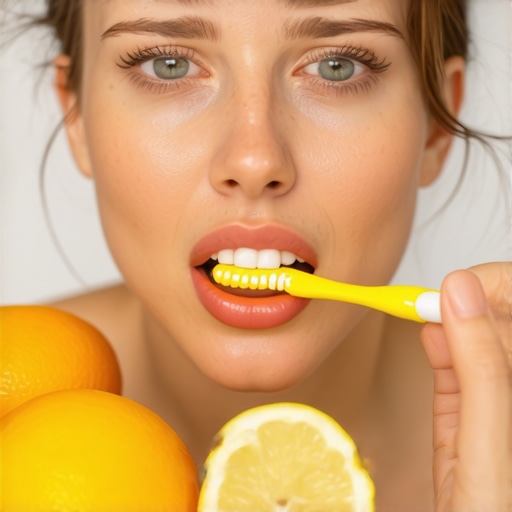
It hit me one afternoon while I was munching on a juicy orange—my teeth suddenly felt awful, sensitive, almost like I’d just scratched a new surface. That moment, that realization, made me rethink everything I thought I knew about oral hygiene. I used to believe that brushing immediately after eating, especially something as tangy as citrus, was the best way to keep my smile fresh and clean. But as I dove deeper into the science and spoke with my dentist, I learned a different truth that changed my routine—and could do the same for you.
Why You Should Think Twice Before Brushing Post-Citrus
Imagine this: you’ve just enjoyed a vibrant, acidic fruit that brightened your day. But your teeth? They’re now more vulnerable than ever. Citrus fruits like oranges, lemons, and grapefruits contain citric acid—a natural agent that can soften the enamel, the tooth’s protective coat. Brushing immediately afterward can actually wear down teeth’s enamel faster, leading to increased sensitivity and potential decay over time. Early on, I made the mistake of brushing right after eating citrus, thinking I was preventing plaque build-up. But I soon noticed my teeth feeling more sensitive and even saw the enamel appearing a bit dull. That was my wake-up call. It made me realize that my hygiene routine needed a tweak, and I wasn’t alone in this—many people unknowingly damage their enamel by brushing at the wrong times. If you’re tired of that nagging sensitivity or just want your smile to stay bright for years to come, understanding the right steps can make a big difference. Want to discover what the experts recommend to protect your teeth? Keep reading, because the solution isn’t as obvious as it seems—and I promise, it’s simpler than you think.
Is All The Hype About Waiting To Brush Actually Worth It?
I admit, I was skeptical at first. I thought, “How can waiting a few minutes make such a huge difference?” But after doing my research, I found scientific backing for the advice: waiting at least 30 minutes after consuming acidic foods or drinks helps your saliva neutralize acids and re-harden the enamel. Skipping this step could set you up for erosion, cavities, and more sensitivity down the line. My early mistake was jumping into routine without understanding the why behind it. That’s something I want to help you avoid. If you’re curious about how to incorporate this simple but effective change into your daily habits, I have some practical tips lined up. But first, let’s explore the science a little closer and clear up some common misconceptions about oral care. If you’ve ever wondered whether your current routine is truly protecting your smile, I encourage you to reflect—because small adjustments can lead to big, lasting results. And if you’re interested in more tooth-friendly tips, don’t hesitate to explore resources like [family dentistry secrets](https://familydentistpro.com/family-dentistry-secrets-maintaining-oral-health-with-modern-techniques-at-254-pm) or schedule a chat with your dentist. Getting it right today means brighter, healthier teeth tomorrow.
Timing Your Brush Right After Citrus
Once I realized that brushing immediately after consuming citrus could harm my enamel, I started timing my brushing routine. Instead of brushing right away, I waited at least 30 minutes, giving my saliva time to neutralize acids and re-harden the enamel. During this waiting period, I sipped water or chewed sugar-free gum to stimulate saliva production. Implementing this simple change led to a noticeable decrease in sensitivity over just a few weeks. Remember, patience is key. It’s like planting a seed — give it time, and your enamel will thank you. For more insights on modern dental techniques, check out family dentistry secrets.
Smart Brushing Techniques for Sensitive Teeth
Using the right brushing technique is crucial. Opt for a soft-bristled toothbrush and gentle, circular motions instead of aggressive scrubbing, which can wear down enamel. Imagine trying to sweep dust from a fragile antique — gentle strokes protect the surface. I learned this when my dentist showed me how hard brushing can cause gum recession and sensitivity. Applying this method reduced discomfort and preserved my enamel’s integrity. If you’re curious about teeth whitening or other smile enhancements, consider exploring options like Invisalign innovations.
Incorporate Fluoride for Reinforcement
After adjusting my brushing habits, I incorporated fluoride toothpaste, which acts like armor, strengthening enamel against acids. My dentist advised using fluoride varnish periodically for added protection, especially if I had undergone restorative procedures. Think of fluoride as a building block that makes your enamel fortress tougher. I applied it at home by brushing twice daily with fluoride-rich toothpaste and scheduling professional fluoride treatments. Discover more about crowns and veneers that can fortify your teeth at crowns versus veneers.
Choose Restorations Wisely to Boost Oral Confidence
If damage is unavoidable, opting for durable restorations like crowns can preserve your smile. Think of crowns as custom-fit helmets that shield and reinforce the tooth. I had a fractured tooth that needed immediate protection, so my dentist recommended a crown. The process involved prepping the tooth, taking precise molds, and fitting a custom crown made from porcelain. It felt like placing a tailor-made cap onto a tiny superhero’s head. Proper placement and material choice are vital—visit crowns in restorative dentistry to learn more about how they can transform your oral health.
Prevent Future Issues with Regular Family Check-Ups
Prevention is the best strategy. Scheduling routine visits ensures early detection and intervention. During my visits, my dentist performed thorough cleanings, checked for signs of decay, and explained how modern tools like intraoral cameras help catch issues early. Think of these check-ups as regular audits, catching problems before they become costly repairs. Staying consistent with appointments helps maintain not just teeth but overall oral wellness, aligning with the latest trends in family dental care at family dentistry trends.
Many people assume they fully understand oral health and restorative procedures like crowns and Invisalign, but several misconceptions persist among even savvy patients. One widespread myth is that all dental restorations, such as crowns, are equally durable, when in reality, material choice and placement technique significantly impact longevity. For example, porcelain-fused-to-metal crowns tend to last longer in high-stress areas compared to all-ceramic options, but they may also be more prone to chipping if not properly fabricated—learn more about how crowns bolster oral health. A common mistake patients make is underestimating the importance of proper maintenance; neglecting regular check-ups and professional cleanings can lead to unseen decay under crowns or veneers, which might require costly replacements. Remember, crowns are not just cosmetic; they serve as functional protectors when designed and applied correctly. On the Invisalign front, many believe that this clear aligner system is only for minor teeth corrections, but advanced cases can also benefit greatly from Invisalign with proper planning—see latest Invisalign innovations. Moreover, some think that Invisalign always takes longer than braces, yet with modern technology, treatment times can be comparable or shorter, depending on complexity.
A crucial nuance often overlooked, especially by those considering family dentistry, is the variability in dental expertise and equipment. Not all dental practices utilize digital scanning, 3D imaging, or CAD/CAM technology, which can affect the precision of restorations like crowns or veneers—check out trends in family dentistry that highlight these advancements. These tools reduce the risk of misfit and subsequent complications, ensuring a better long-term outcome.
The ‘oops’ factor here involves rushing into procedures without sufficient consultation. For example, opting for a crown due to aesthetic concerns but neglecting underlying decay or gum health can compromise the appliance’s lifespan. Also, choosing cheap materials or DIY fixes may seem tempting but can lead to sensitivity, wear, or infections—highlighted in expert reviews like gums-peeling causes.
In essence, peeling back the layers reveals that a nuanced approach—balancing aesthetic goals, functional needs, and material science—is essential for durable, healthy outcomes. Have you ever fallen into this trap? Let me know in the comments. Staying informed about these lesser-known factors helps you advocate effectively for your dental health and prevents costly mistakes down the line.In maintaining a radiant smile over the years, the right tools and methods make all the difference. Personally, I rely on a few key pieces of equipment that ensure my dental routine is both effective and efficient. First, a **Sonicare ProtectiveClean 6100** electric toothbrush has been my go-to. Its sonic technology delivers high-frequency brush strokes that surpass manual brushing, effectively removing plaque without damaging sensitive enamel. The pressure sensor is a game-changer, alerting me if I brush too hard, which earlier contributed to gum recession. For flossing, I prefer the **Waterpik Aquarius** water flosser. Unlike traditional floss, its pulsating water stream reaches hard-to-access areas between teeth and along the gumline, reducing plaque buildup and bleeding, especially around crowns and implants. Utilizing these tools consistently has shown remarkable improvements, even in areas prone to decay or plaque accumulation.
When it comes to software, I recommend **Dental Monitoring’s TeleDent** platform. It allows remote check-ins with your dentist through high-quality intraoral images and videos. I find this particularly useful for tracking the health of restorations like crowns and veneers over time, catching issues early before they escalate. This technology represents the future of family dentistry, streamlining maintenance and reducing unnecessary visits. Stay ahead of potential problems by scheduling regular virtual assessments; many practices are adopting this trend to improve long-term outcomes.
Predicting where this trend goes, I expect smart dental devices integrated with AI will soon offer real-time health analytics, prompting users to adjust their routines dynamically. For example, toothbrushes could analyze plaque accumulation patterns and suggest personalized techniques via a connected app.
**How do I maintain my dental tools and ensure lasting results?** Regularly replacing brush heads—at least every three months—is critical to prevent bacteria buildup and maintain cleaning efficiency. For water flossers, descaling every six months ensures optimal performance, especially in areas with hard water. Proper cleaning extends the lifespan of these devices and keeps your mouth healthier.
Incorporating advanced tools like electric toothbrushes and water flossers isn’t just about immediate cleanings; it’s about investing in your oral health for years to come. To elevate your routine further, try the tip of using the pressure sensor on your toothbrush to prevent overbrushing—it’s a simple adjustment with significant benefits. For additional insights on long-term dental care, consider exploring modern techniques in family dentistry that focus on preservation and early detection at this resource. Remember, your smile’s longevity depends on consistent, informed maintenance and the smart tools you choose today.
The Hardest Lesson I Learned About Your Smile
One of the most impactful lessons I discovered in my journey to better oral health was that quick fixes often lead to longer-term issues. For example, rushing into dental restorations without understanding the material differences or proper maintenance can cost you money and discomfort later. That lightbulb moment made me realize the importance of patience, education, and working closely with skilled professionals. I’ve also learned that misconceptions about Invisalign’s limitations can hold people back from a perfect smile—so, digging deeper into actual expert insights has been transformative. Remember, your oral health isn’t just about looks; it’s about overall wellness and confidence. Being informed empowers you to make smarter choices and avoid common pitfalls that many fall into unknowingly.
My Top Picks to Keep Your Smile Brilliant
Over the years, I’ve curated a toolkit of trusted resources that have truly elevated my dental routine. First, I rely on the latest Invisalign innovations because they offer cutting-edge solutions tailored to various needs, making straightening less invasive and more comfortable. For general maintenance, family dentistry secrets provide insights into integrating modern tech, like digital scans, into routine check-ups. Additionally, I trust authoritative guides like comprehensive crown info when considering restorative options. Lastly, staying connected with your dentist through platforms like virtual consultations can safeguard your investments and catch issues early. These tools and resources help me maintain a healthy, radiant smile with confidence.
Your Smile’s Future Starts Today
Every small step toward improved oral health adds up to a brighter, healthier future. Embracing smarter practices—like waiting 30 minutes after citrus, mastering gentle brushing, and leveraging modern tech—can dramatically enhance your results. Remember, your teeth are an investment that pays dividends in confidence and well-being over a lifetime. Don’t wait for problems to signal you—be proactive, stay curious, and enjoy the journey toward a smile that truly shines. Your healthier, more radiant smile is just around the corner, and I believe in your ability to make it happen!