
Why your child’s adult teeth are coming in before baby teeth fall out
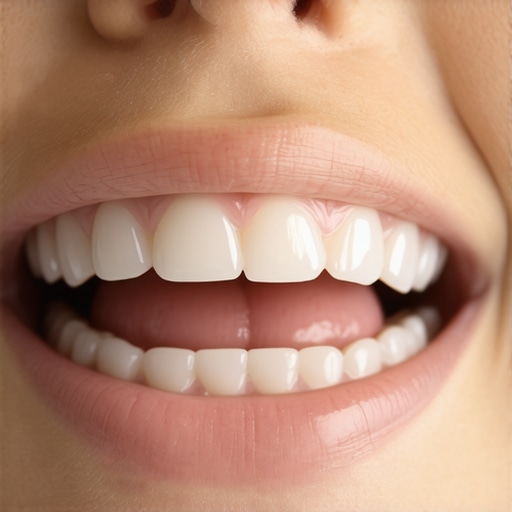
I remember the exact moment I noticed my child’s new, permanent molar nudging its way through the gum while the baby tooth next to it was still firmly in place. Panic set in. Had I missed something? Was this normal? It felt like a dental version of a surprise guest crashing the party — unexpected and unsettling. That lightbulb realization led me into a world of questions every parent dreads: “Why is this happening? Is it something to worry about?”
Understanding the Unexpected: Baby and Adult Teeth Overlap
Many parents are taken aback when they see an adult tooth emerge before the primary teeth have fallen out. It’s a common concern, but surprisingly, it’s more typical than you might think. Early or overlapping eruption of adult teeth can occur for various reasons, including genetics, jaw space issues, or developmental variations. The key is knowing when to worry and when it’s part of your child’s natural growth process. As a mom who initially scrambled to find answers, I learned that missing this early warning sign can sometimes lead to misaligned teeth or bite issues later on. That’s why understanding the root causes and properly managing this transition is so crucial.
Is This Normal or a Red Flag?
Early eruption of adult teeth is often normal, but it can also hint at underlying concerns like crowding or thymus development issues. My early mistake was dismissing it as simply a quirk — a mistake that could have cost my child’s oral health. According to dental experts, this phenomenon, known as premature eruption, affects about 10-20% of children and isn’t inherently alarming, but it does warrant a visit to your family dentist. Proper assessment ensures that your child’s teeth develop healthily and avoids complicated interventions down the road. For comprehensive tips on maintaining your family’s oral health, check out our top oral health tips.
Now that we’ve established that this is a common and often benign issue, let’s explore the practical steps you can take to stay ahead of potential problems and ensure your child’s smile stays healthy and confident. Have you already noticed this happening in your family? If so, you’re not alone—and the good news is, help is available to guide you through this transition smoothly.
**Note:** Recognizing these early signs and understanding their implications can make a significant difference. If you’re concerned about your child’s dental development, consider consulting with a professional to get personalized advice. Ready to dive into how to manage this situation effectively? Let’s explore the solutions together.
Schedule a Professional Dental Evaluation
After noticing the early emergence of your child’s adult molar, immediately book an appointment with a family dentist. During the visit, request a thorough assessment, including X-rays, to determine the positioning and development of the erupting tooth. I once took my son for a checkup, and the dentist identified some minor crowding early on, which allowed us to plan preventive measures rather than reactive corrections.
Monitor Oral Development Continuously
Keep a Dental Diary
Record significant changes such as new tooth eruptions, spacing, and any discomfort. Use a simple chart or app to track these developments so you can share detailed information with your dentist. I maintained a visual record, which helped during follow-up visits, ensuring no early signs of misalignment went unnoticed.
Create a Custom Oral Hygiene Routine
Adopt a targeted cleaning regime focusing on areas around the emerging adult teeth. Use floss and interdental brushes to reach difficult spots, preventing plaque buildup that can complicate eruption. When my child’s molar came through, I made a point to spend extra time cleaning around it—this paid off by preventing early decay and ensuring smooth eruption.
Educate and Guide Your Child
Explain the changes happening in simple terms, emphasizing the importance of maintaining good oral hygiene. Make brushing and flossing a game or reward system to foster cooperation. During this phase, I found that engaging my child in understanding his dental development encouraged better habits and reduced anxiety about visits.
Investigate Orthodontic Options if Necessary
If assessments reveal crowding or misalignment, discuss options like Invisalign or traditional braces. Invisalign, for instance, offers a discrete solution suitable for children showing early signs of bite issues. A specific time I explored Invisalign options saved my child from future braces that could have been more invasive and uncomfortable—[Learn more about how Invisalign transforms family dentistry in 2025](https://familydentistpro.com/how-invisalign-transforms-family-dentistry-in-2025).
Consider Crowns for Severe Cases
In cases where the permanent tooth is compromised or emerges in an abnormal position, crowns can reinforce tooth structure and restore function. When my daughter chipped a newly erupted molar, a crown was the best choice to prevent further damage—more on this can be found in [Our comprehensive guide on crowns](https://familydentistpro.com/transform-your-smile-how-crowns-boost-oral-health-confidence-at-815-am).
Stay Prepared for Emergencies
If your child knocks out a tooth or experiences pain, quick action is essential. Keep an emergency dental kit at home and know the basic steps to manage injuries. I once responded to a knocked-out toddler tooth by gently rinsing it and visiting the dentist immediately, which increased the chances of successful reimplantation.
Plan for Long-Term Monitoring
Regular check-ups are crucial until all adult teeth have settled into proper alignment. Early intervention, guided by professional advice, can prevent complex orthodontic issues later. Establishing a proactive dental care routine ensures your child’s oral health remains robust during this critical developmental stage.
Many people believe that maintaining good oral health is simply about brushing twice a day and visiting the dentist occasionally. However, this oversimplification masks nuanced pitfalls that can derail long-term dental wellness. For instance, one prevalent myth is that all dental restorations last forever. In reality, materials like crowns and veneers have varying lifespans, and understanding their proper care can significantly extend their durability. Rushing into a quick fix without understanding the differences between materials or the importance of correct placement can lead to premature failure or discomfort, contradicting the belief that opting for cheaper options saves money in the long run. Additionally, the misconception that Invisalign treatment is just about cosmetic alignment overlooks its functional benefits—improved bite, speech, and oral health—yet many still underestimate the technology’s potential. The marketing often emphasizes discreetness over effectiveness, leading some to choose Invisalign without understanding its limitations or the importance of proper engagement protocols.
Why Do Some People Overlook the Nuances in Dental Restorations?
One common mistake is assuming that any crown or veneer will serve the same operational purpose. However, research indicates that crowns made from all-ceramic materials like zirconia or lithium disilicate offer superior biocompatibility and longevity compared to traditional gold or porcelain-fused-to-metal options. Choosing the right material, based on location and function, can prevent issues like gum recession or fracture down the line. Moreover, improper fit—due to poor impressions or misapplied cement—can cause discomfort, bacteria buildup, and eventual failure. Experts advise consulting with specialists who focus on the specifics of material science and placement techniques, as this expertise isn’t always present in general practices. For a comprehensive understanding of crown options optimized for durability and aesthetics, visit [our detailed guide on crowns](https://familydentistpro.com/transform-your-smile-how-crowns-boost-oral-health-confidence-at-815-am).
What’s often missed is that minimal adjustments during initial placement, such as ensuring exact marginal fit, can prevent future complications—saving time, cost, and discomfort. This highlights that what may seem like a minor detail at first can be a major factor in the longevity of your dental work. The same depth of understanding applies to Invisalign. Contrary to popular belief, the technology’s success heavily depends on the patient following instructions precisely, including wearing aligners for the recommended 20-22 hours daily. Failure to adhere can cause prolonged treatment times or suboptimal results, highlighting that aligner therapy isn’t just about the clear trays but about engagement and maintenance. For insights into recent innovations transforming family dentistry, explore [future Invisalign breakthroughs](https://familydentistpro.com/how-invisalign-transforms-family-dentistry-in-2025).
And then there’s the misconception that oral health is solely an isolated aspect of health. In reality, dental issues often reflect broader systemic problems, such as diabetes or nutritional deficiencies, which many overlook. Recognizing these links emphasizes the importance of comprehensive care and regular check-ups. For example, bleeding gums might be dismissed as minor, but they could signal early periodontal disease or underlying health concerns. Regular assessments that incorporate medical history and lifestyle can provide more tailored care, preventing minor problems from becoming severe. Have you ever fallen into this trap? Let me know in the comments.
In conclusion, an advanced understanding of family dentistry, crowns, and Invisalign can drastically improve outcomes—beyond surface-level treatments. By delving into the material science behind restorations, the technology’s capabilities, and systemic health interactions, patients can make more informed decisions and avoid costly mistakes. The key takeaway is that effective dental care isn’t just about routine; it’s about appreciating the nuances that influence longevity, functionality, and overall health. For personalized advice on these topics, don’t hesitate to contact our team through [our contact page](https://familydentistpro.com/contact-us). Remember, knowledge is your best tool in safeguarding your family’s smiles.
Keep Your Smile Working with the Right Tools and Methods
Maintaining optimal oral health over the years isn’t just about regular brushing and visits to the dentist; it requires investing in the right equipment, technology, and routines. As someone deeply involved in family dentistry, I’ve seen firsthand how specific tools can make a significant difference in longevity and overall results.
One essential device I recommend is a high-quality electric toothbrush, such as the Philips Sonicare DiamondClean. Its sonic technology effectively disrupts plaque and reaches areas manual brushes might miss, especially around crowns or Invisalign attachments. I personally use it daily and noticed a marked improvement in gum health and whiteness. Additionally, using a gentle, interdental brush like the Curaprox CPS 07 allows precise cleaning between teeth and around restorations, preventing plaque buildup and future decay.
For tracking oral health over time, I rely on digital apps like Dental Monitoring, which provides remote check-ins and helps catch issues early. These tools give me peace of mind and help tailor my routine as my needs evolve, much like how software updates optimize family dentistry practices for future trends such as laser-assisted procedures or new crown materials.
How do I maintain my dental tools over time?
Proper care of your tools extends their lifespan and efficacy. Rinse your electric toothbrush head thoroughly after each use, replace it every three months, and store it upright in a dry place to prevent bacteria growth. Interdental brushes should be cleaned regularly with soap and hot water, and replaced once frayed or after three months of use. Staying diligent about maintenance ensures your investment continues to serve you well, reinforcing your oral health in the long run.
Predicting Future Trends
Looking ahead, innovations like AI-powered dental diagnostics and chairside 3D printing of crowns are set to revolutionize family dentistry. These advancements will enable faster, more precise treatments, reducing chair time and improving outcomes—details explored in latest innovations in family dentistry. Embracing these tools now can position you at the forefront of dental health management.
If you’re interested in optimizing your routines, I encourage you to start with a quality electric toothbrush and establish a regular maintenance schedule. These small investments can drastically improve the durability of crowns or the success of Invisalign treatments, giving your family smiles that last for years to come. Want personalized advice? Reach out through our contact page and let’s craft a plan tailored to your needs.
Third-Time’s the Charm: Lessons I Wish I Learned Sooner
- Dental visits reveal more than cavities—they uncover habits and systemic health clues that often go unnoticed, reminding me that oral health is deeply interconnected with overall wellness.
- Choosing the right materials for crowns isn’t just about aesthetics; it can prevent future complications, making me appreciate the nuances behind quality restorations.
- Invisalign is more than discreet braces—proper engagement and understanding its technological potential can transform a child’s confidence and speech in ways I hadn’t anticipated.
- Patience during orthodontic treatment yields better results; rushing can cause setbacks, reinforcing the importance of trusting the process and expert advice.
- Preventive care, including good hygiene routines and early assessments, significantly reduces long-term costs and discomfort, emphasizing that investment in routine pays off.
Tools I Trust for Lasting Smiles
- Philips Sonicare DiamondClean: Its sonic technology offers superior plaque removal and gentle gum care, making it my go-to for at-home maintenance.
- Dental Monitoring App: This digital tool provides peace of mind by enabling remote check-ins, catching issues early, and ensuring ongoing results from treatments like Invisalign.
- Choosing a Certified Crown Expert: Resources like this guide help me select professionals who focus on material science and precise placement for durable restorations.
- Educational Books: Titles like Smile Dynamics and The Art of Smile Makeovers deepen my understanding of esthetic and functional dental improvements, empowering me to make informed choices.
Embrace Your Dental Journey Today
Achieving and maintaining a healthy, confident smile is an ongoing adventure, but with the right knowledge, tools, and mindset, you can navigate even the unexpected surprises with confidence. Remember, family dentistry is about more than quick fixes—it’s about building a foundation for lifelong wellness. Don’t wait for problems to arise; start integrating these insights now to prioritize your family’s oral health. Are you ready to take the first step towards a brighter, healthier smile? Share your thoughts below or reach out through our contact page to begin your personalized journey.