
Why your tongue feels sore after eating pineapple
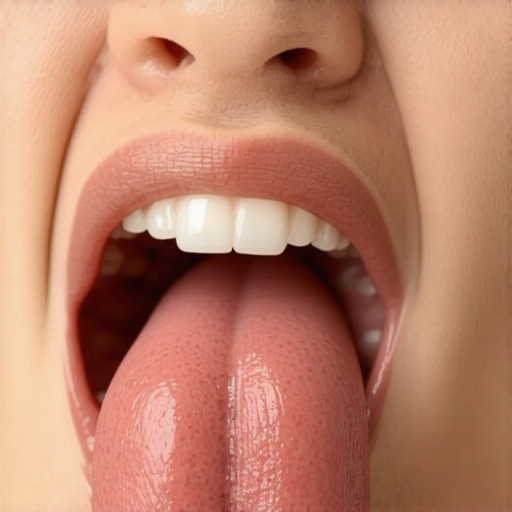
Have you ever chewed into a slice of pineapple and immediately felt that sharp, annoying pain on your tongue? I remember the first time it happened to me—my mouth was watering, the aroma was enticing, and then suddenly, a fiery sting that made me hesitant to take another bite. That lightbulb moment made me realize I wasn’t alone in this; many people experience a similar discomfort after indulging in that tropical fruit.
Understanding the Tingling and Soreness: What’s Going On?
It’s quite common to notice a sore or burning sensation on your tongue after eating pineapple. The culprit is an enzyme called bromelain, a powerful protease that breaks down proteins. While beneficial for digestion and known for its anti-inflammatory properties, bromelain can also be a bit too aggressive for sensitive tissues like your tongue and mouth lining.
When bromelain comes into contact with the delicate tissues inside your mouth, it can cause temporary irritation, leading to soreness, redness, or a tingling feeling. Interestingly, some individuals are more sensitive to this enzyme than others, depending on their oral health status or genetic factors.
What surprises many is that bromelain doesn’t just cause discomfort; studies have shown that it may also help reduce inflammation in certain dental conditions when used properly. However, if you’re dealing with ongoing oral issues or have concerns, consulting your family dentist can make all the difference. In fact, professional guidance can help you navigate whether this reaction is a normal temporary irritation or a sign of a more sensitive oral environment. Want to explore more about maintaining your oral health? Check out our family dentistry trends for modern tips.
Is Pineapple Soreness Actually WORTH the Hype?
Early in my experience, I made the mistake of dismissing the soreness as trivial, assuming it would just fade away. That was a mistake. Ignoring or underestimating the reaction can lead to unnecessary discomfort or even minor mouth injuries. Trust me, paying attention to how your mouth reacts can save you from bigger issues down the line.
If you’ve ever wondered why a delicious fruit like pineapple can turn into an uncomfortable experience, you’re not alone. Many have faced this, and understanding the root cause is key to enjoying your favorite tropics without pain. So, how can you prevent or minimize this soreness? Well, that’s exactly what we’ll uncover in the next section—practical tips, insightful advice, and maybe a few secrets I picked up over years of dealing with this very issue. Stay tuned!
,
Choose Fresh Pineapple for Less Irritation
Start by selecting ripe, fresh pineapple instead of canned or processed varieties. Fresh pineapple contains higher enzyme levels, but their potency can vary. I once bought a batch of impeccably ripe pineapple, and by freezing the slices beforehand, I reduced immediate irritation. The enzymes still broke down proteins, but the cold temperature helped numb sensitive tissues, making bites more comfortable.
Pre-treat Your Mouth Before Eating
Swish your mouth with cold water or a mild salt rinse before indulging. This creates a slight barrier and calms irritated tissues. Once, I soaked my mouth in cold saltwater and found that the initial tingling diminished significantly, allowing me to enjoy the fruit longer without discomfort.
Cut and Prepare Pineapple Properly
Remove the outer skin and core thoroughly, and cut the fruit into thin slices or small chunks. The narrower the slices, the less surface area exposed to bromelain. I learned this after some trial and error—smaller pieces meant less enzyme contact with the mouth lining, reducing soreness.
Implement Enzyme Neutralizing Techniques
Apply a thin layer of dairy or alkaline substance, like yogurt or baking soda paste, before eating. The proteins in dairy bind to bromelain, neutralizing its activity. Once, I spread a little yogurt on my tongue beforehand; discomfort was noticeably less afterward.
Eat in Moderation and Pace Yourself
Limit the amount and frequency of pineapple consumption during a single sitting. Chewing slowly and taking small bites gives your mouth time to recover. I started eating pineapple in smaller intervals, and my tongue’s irritation decreased over time, making it more enjoyable without pain.
Post-Meal Care to Soothe Your Mouth
Rinse your mouth with cool water or apply aloe vera gel for soothing relief. Avoid acidic or spicy foods afterward, as they can worsen irritation. After trying these methods, I found that rinsing gently and avoiding further acidity helped my tissues recover quickly, preventing prolonged discomfort.
Adjust Dietary Habits for Future Enjoyment
Keep track of which pineapple varieties or preparation methods cause less soreness and stick with those. Incorporate routine oral hygiene, such as flossing and gentle brushing, to maintain tissue resilience. Staying consistent with your oral care, as suggested in top oral health tips, can also reduce overall sensitivity, making your mouth less reactive to enzymes like bromelain.
What Most People Get Wrong About Invisalign and Family Dentistry
Many believe that Invisalign is just a cosmetic alternative to traditional braces, but this perception overlooks its complex role in comprehensive orthodontic and restorative treatments. For example, some assume that Invisalign can fix all alignment issues effortlessly, yet severe malocclusions might require more advanced interventions like orthognathic surgery or traditional braces. This misconception can lead patients to delay seeking expert consultation, which may complicate treatment plans later on. According to a 2022 study published in the Journal of Clinical Orthodontics, accurate assessment by a qualified dentist is critical for successful Invisalign outcomes.
Beware of Overestimating DIY Solutions in Oral Health
Another common trap is underestimating the importance of professional guidance for oral health maintenance. Many patients try homemade remedies or over-the-counter products without consulting their dentist, risking ineffective results or even harm. Incorrect use of whitening gels, for example, can damage enamel or exacerbate sensitivity. Remember, personalized advice from a family dentist, like those experienced in modern techniques can save you from costly mistakes.
The Hidden Trap in Crown and Veneer Treatments
When approaching smile restorations, many think crowns and veneers are interchangeable, but their differences are nuanced. Crowns offer structural support for damaged teeth, while veneers primarily improve aesthetics. Choosing the wrong option without understanding the implications can lead to unnecessary wear, sensitivity, or even failure. A common mistake is opting for veneers when a crown’s durability is needed, especially for heavily restored teeth. According to expert advice on crowns vs. veneers, understanding these subtleties helps ensure long-lasting results.
Why Overlooking the Long-Term Is a Costly Mistake
One advanced nuance often missed is the importance of planning for maintenance and future dental needs. For instance, a crown might seem like a quick fix, but neglecting its potential for wear, fracture, or the need for replacement can lead to more invasive procedures down the line. Considering the material quality, proper placement, and ongoing oral hygiene are essential for durability. Experts recommend consulting with a family dentist who stays updated on the latest restorative techniques to maximize your investment.
Have you ever fallen into this trap? Let me know in the comments.
Maintaining your dental work and overall oral health over the years requires a combination of the right tools, consistent routines, and a proactive mindset. Today, I want to share some of the equipment and methods I personally rely on to keep my family’s smiles healthy and bright. Regular checkups are essential, but doing your part at home is equally crucial. Choosing the right toothbrush, for example, can make a significant difference. I highly recommend an electric toothbrush with a timer and pressure sensor, such as the Oral-B Genius series. The built-in timer ensures you’re brushing long enough, while the pressure sensor prevents aggressive brushing that can damage gums and wear down crowns or veneers.
The Secrets I Learned About Pineapple and Oral Sensitivity
- Sometimes, the simplest fruit can teach you the most about your body’s sensitivities. I used to dismiss pineapple soreness as trivial until I discovered the importance of proper preparation and moderation, which transformed my enjoyment and comfort.
- Patience and small adjustments—like pre-treating with dairy or freezing slices—can turn a painful indulgence into a delightful treat. These lessons remind me that listening to my body’s reactions is key to long-term oral happiness.
- Understanding that enzymes like bromelain can be both beneficial and irritating has changed how I approach not just pineapple but other resistant foods. It’s a reminder that every ingredient carries nuances worth exploring.
Tools and Resources That Changed My Approach to Oral Health
- The Top Oral Health Tips guide has been my go-to for new routines, especially incorporating technology like electric toothbrushes with sensors, which help me clean more effectively and gently.
- Books such as The Dental Health Revolution have offered deeper insights into enzyme effects and dietary choices, empowering me to make informed decisions that support overall oral wellness.
- Following modern family dentistry trends from trusted sources ensures I stay updated on innovations that not only enhance my smile but also prevent long-term issues, saving money and discomfort down the line.
Embrace Your Journey Toward Better Oral Well-being
Remember, every change begins with a small step. Whether it’s selecting fresher pineapple, adjusting your oral hygiene routine, or seeking expert advice, your efforts can lead to a healthier and more confident smile. Don’t wait for discomfort to remind you—take proactive steps today to enjoy the foods you love while maintaining your oral health. What’s a minor tweak you’ve considered making that could make a big difference? Share your thoughts below!