
The simple trick to keep your toddler’s pacifier from ruining their bite
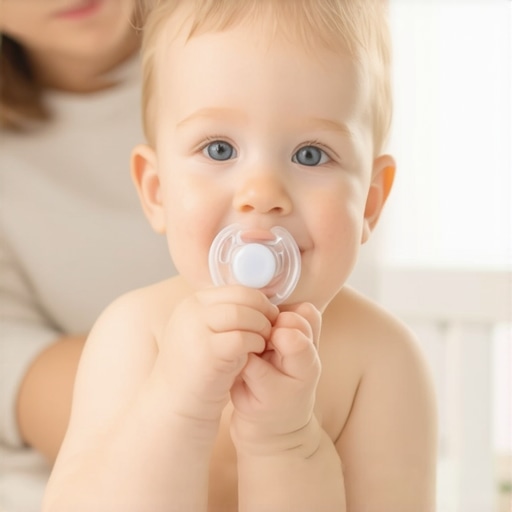
It was a typical Saturday morning when I finally hit my breaking point. My toddler, usually sweet and cheerful, was throwing a tantrum because her pacifier had fallen, again. But this wasn’t just any hassle—it was a red flag. I remembered how, a few months earlier, I had watched her chew her pacifier with such force that her front teeth started to shift slightly. That lightbulb moment made me realize how innocent habits can sneakily cause long-term damage.
The Real Risk of Pacifier Abuse for Tiny Teeth
Pacifiers are a lifesaver, I get it. They comfort our little ones and help them settle down. But when used excessively or improperly, they can lead to misaligned bites and other dental issues later on. The problem isn’t just the little squeals or the nightly habit. It’s the continuous pressure they put on growing teeth that can set the stage for problems in childhood and beyond.
Did you know that according to the American Academy of Pediatric Dentistry, extended pacifier use can contribute to malocclusion—a fancy word for bad bites? It’s true. That’s why early intervention and some simple tricks can save your kid from costly orthodontic work down the road.
I want to share a technique I discovered—something surprisingly easy but overlooked—that helped me protect my daughter’s bite without making her feel deprived or frustrated. But before we get into the how, I want to address a common concern many parents have.
Is it really worth worrying about a pacifier? Can’t they just grow out of it?
Honestly, I used to think the same. I thought, “They’ll outgrow this habit naturally.” But then I learned that habits formed early can have lasting effects. Early dental mistakes often go unnoticed until they result in crooked teeth or speech issues. I made this mistake myself—ignoring the early signs—and regretted it later. Trust me, catching these habits early and applying a simple trick can make all the difference.
Now, let’s dive into this easy yet effective method that keeps your toddler’s pacifier from becoming a future orthodontic nightmare. It’s all about gentle guidance and proactive habits, which I believe every parent can do. Ready to learn how to safeguard your child’s smile? Let’s go.
Establish Clear Boundaries for Pacifier Use
Start by creating a routine that limits pacifier use to specific times, such as nap or bedtime. Consistently enforcing these boundaries reduces unnecessary pressure on emerging teeth. For example, last week, I introduced a visual timer during nap time, which helped my daughter associate special ‘quiet’ moments with her pacifier. The result? She gradually became less reliant on it during the day, easing the strain on her bite.
Choose the Right Pacifier and Monitor Usage
Select orthodontic or specially designed pacifiers that support proper oral development. Always inspect the pacifier for wear and replace it if it shows signs of damage or excessive softness. I inspected my daughter’s pacifier daily, noticing small tears that could have increased her risk of misalignment. Switching to a high-quality, orthodontic-approved model made a noticeable difference in preventing unnecessary oral pressure.
Introduce Alternative Comfort Methods
Offer other soothing activities to replace over-dependence on the pacifier. Gentle massages, a favorite stuffed animal, or reading a story can provide comfort without physical pressure on teeth. When my daughter started clutching her stuffed bunny after dropping her pacifier, I saw her comfort transition smoothly—fewer tantrums, less oral pressure, and healthier teeth development.
Progressively Wean the Pacifier
Gradually reduce pacifier availability by shortening its use each day. Use positive reinforcement, like a sticker chart, to motivate your child. I implemented a sticker system where every day without the pacifier earned her a small reward, which she eagerly collected. Over a week, her dependence waned significantly, and her teeth had time to develop without constant pressure.
Seek Professional Evaluation for Customized Guidance
Schedule regular dental check-ups to monitor your child’s oral development and discuss concerns about pacifier habits. An expert can recommend specific interventions or orthodontic assessments if needed. Last month, my visit was revealing; the dentist suggested a minor adjustment to ensure optimal alignment—saving us from future orthodontic issues. Feel free to contact a family dentistry specialist for personalized advice tailored to your child’s needs.
Implementing these steps ensures you actively support healthy oral habits early on, avoiding long-term dental issues. Remember, early action combined with professional guidance can set your child’s smile on the right path—and that makes all the difference.
Many assume that all dental treatments and solutions are straightforward, but in reality, there’s a lot of nuance that even seasoned parents or patients overlook. For instance, popular misconceptions about family dentistry often lead individuals to delay seeking comprehensive care until issues become severe. Some believe that if their child’s teeth aren’t causing pain, there’s no urgency, but early intervention can prevent costly problems later on. In my experience, the nuance lies in understanding that regular checkups aren’t just about cleaning—they’re critical for detecting subtle issues like early misalignments or wear patterns that could escalate.
When it comes to Invisalign, a common myth is that it’s suitable for everyone seeking straighter teeth. This isn’t entirely accurate. While Invisalign offers fantastic benefits, especially for mild to moderate cases, complex misalignments may still require traditional braces or other interventions. An advanced mistake many make is underestimating the importance of compliance; wearing the aligners fewer hours diminishes effectiveness, which could prolong treatment unnecessarily. According to orthodontic research, proper patient adherence is one of the most undervalued factors in successful Invisalign outcomes.
Oral health isn’t merely about avoiding cavities. The hidden nuance involves recognizing that gum health plays a pivotal role in overall wellbeing. Many people overlook signs of gum disease or dismiss bleeding gums as trivial, but these can be early indicators of systemic issues like heart disease or diabetes. Neglecting such subtle cues often leads to advanced periodontal problems, which are more challenging to treat.
Regarding crowns, a widespread misunderstanding is that they are purely aesthetic. In fact, crowns serve as vital restorations that protect compromised teeth from further damage and restore function. However, a common mistake is choosing the wrong type of crown—a porcelain-fused-to-metal crown, for example, might cause gum irritation or show a dark line at the gum margin, undermining aesthetics and health. An expert tip is to consider all factors, including material biocompatibility and your bite dynamics, before opting for a crown.
A critical nuance in all these areas is recognizing the importance of personalized treatment. Each patient’s anatomy, lifestyle, and health history influence outcomes significantly. Relying solely on generic advice or “one-size-fits-all” solutions can lead to dissatisfaction or complications.
Have you ever fallen into this trap? Let me know in the comments!
If you’re curious about choosing the right dental solutions tailored for your family, don’t hesitate to reach out to a professional. Staying informed about these finer details can truly make a difference in maintaining optimal oral health and confidence for years to come.
Investing in Quality Dental Tools and Software
For optimal long-term oral health, I rely on professional-grade instruments like ultrasonic scalers, which provide a thorough clean by removing plaque and tartar more efficiently than manual tools. Regularly updating my software for digital radiography ensures precise diagnostics, helping catch issues like early cavity formation or gum disease before they worsen. Incorporating tools like CAD/CAM technology has revolutionized restorative work, allowing for same-day crowns that fit perfectly and preserve tooth structure.
Streamlining Family Dental Maintenance
Using appointment management apps, such as Dentrix Ascend, helps me track patient histories, schedule recall visits, and receive automated reminders. This reduces missed appointments and emphasizes consistent care—crucial for kids and adults alike. I also recommend digital monitoring devices, like intraoral cameras, which make it easier to explain dental health to patients and motivate adherence to home hygiene routines.
Future Trends in Dental Equipment and Techniques
Emerging innovations like 3D printing enable custom dental appliances on demand, reducing turnaround times and costs. Additionally, AI-driven diagnostics are becoming more accurate, assisting practitioners in identifying subtle changes in oral tissues. Staying ahead involves experimenting with these advanced tools and adopting a mindset of continuous improvement.
How do I maintain these tools over time?
Maintaining dental equipment is essential for enduring efficacy. Regular calibration, adherence to sterilization protocols, and routine software updates prevent malfunctions and cross-contamination. For example, I schedule quarterly servicing for my ultrasonic devices, ensuring they perform optimally. Proper storage and handling extend the lifespan of instruments, saving costs in the long run. Investing in advanced tools also demands ongoing training; attending courses on the latest techniques ensures I maximize their benefits. As technology advances, I predict a move towards even more integrated systems—think combined imaging and treatment planning software—that can personalize treatments for each family member, improving outcomes and satisfaction. To keep your practice or home routines effective, I recommend starting with a comprehensive tool audit and gradually integrating innovations like intraoral scanners or digital whitening solutions. If you’re considering upgrading your equipment, don’t hesitate to contact a professional for tailored advice. Remember, the right tools combined with proper maintenance make a world of difference in sustaining excellent oral health for your family.
Lessons I Wish I Knew About Kids and Their Teeth
One of the biggest surprises I encountered was realizing how small habits, like pacifier use, can shape my child’s dental health long before teeth fully develop. Those early years are like planting seeds; what you nurture can blossom into a confident smile—or a future orthodontic nightmare. Discovering the importance of early intervention taught me that proactive steps in family dentistry are truly priceless.
Another eye-opening lesson was understanding that not all dental tools are created equal. Investing in the right orthodontic-friendly pacifiers and monitoring usage made a significant difference in my child’s comfort and bite development. It became clear that tailored solutions, guided by dental professionals, protect future smiles better than generic approaches.
Finally, I learned that integrating alternative comfort methods and gradual weaning strategies require patience and consistency. Turning everyday moments—storytime, cuddles, or special routines—into positive replacements for pacifiers can ease rebellious phases and support healthier oral habits. Trust me, early wins in these habits can save years of orthodontic corrections and boost your child’s confidence in their smile.
My Tool Chest for Family Dental Success
For those seeking practical resources, I rely heavily on pediatric dental guides like Top Oral Health Tips for Your Family’s Bright Smiles. It offers expert advice tailored specifically for families, helping me stay proactive about my kids’ dental health. Additionally, Invisalign vs. Braces offers valuable insights if you’re considering orthodontic solutions—no one-size-fits-all here, only personalized advice that’s helped me make informed choices.
For tools, I swear by high-quality, orthodontic-approved pacifiers and digital dental monitoring apps that help track progress and schedule checkups seamlessly. These resources keep me confident that I’m taking the right steps toward a lifetime of healthy smiles for my family.
You Have the Power to Change Your Family’s Smile Journey
Remember, the journey to healthy, confident smiles begins with the choices you make today. Every small step—be it eliminating detrimental habits or embracing professional guidance—can transform your child’s dental future. Embrace these insights and trust that your proactive efforts will pay off in years of joyful, healthy smiles. If you’re ready to take that first step, don’t hesitate to reach out to a family dentist today. Your child’s future smile is waiting to shine brighter than ever!