
How to stop Invisalign trays from irritating the side of your tongue
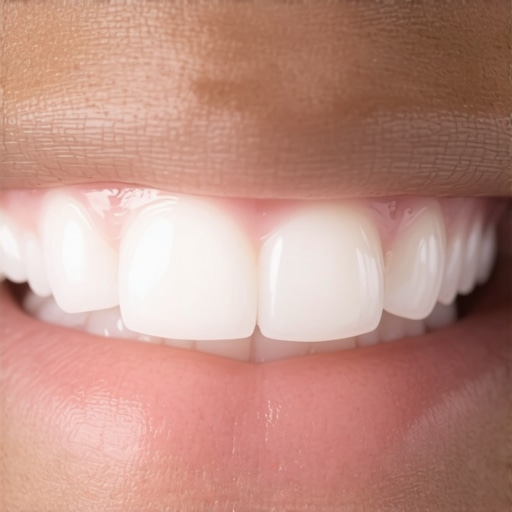
One evening, as I was settling in after a long day, I felt a familiar, nagging discomfort on the side of my tongue. It was that sharp, relentless ache caused by my Invisalign trays rubbing against sensitive tissue. I remember thinking, “There has to be a better way to handle this!” That moment was a lightbulb, sparking my quest to find practical solutions for a common Invisalign hiccup. If you’ve ever experienced similar irritation, you’re not alone—many individuals struggle with the discomfort that can come with these discreet aligners. Today, we’re diving into effective strategies to prevent Invisalign trays from irritating the side of your tongue, so you can keep your orthodontic journey comfortable and on track.
Why Your Invisalign Trays Are Causing Tongue Irritation
Invisalign aligners are designed to be snug enough to do their job—straightening your teeth without the metal brackets and wires of traditional braces. But that snug fit can sometimes cause irritation, especially to the soft tissues inside your mouth. When the trays don’t sit perfectly or shift slightly, they can rub against the side of your tongue, creating soreness or even small ulcers over time.
Initially, I made the mistake of ignoring minor discomfort, assuming it would fade. Instead, I found myself increasingly annoyed, and the irritation worsened. That was a clear sign I needed to address the issue more proactively—because, let’s be honest, nobody wants a tongue that’s raw or feeling sore every time they wear their aligners.
The good news? There are proven ways to minimize and prevent this irritation. I’ll share strategies that worked for me, backed by expert advice, to help you enjoy a more comfortable Invisalign experience.
Is It Worth the Extra Effort to Adjust Your Aligners?
Understanding the root causes of irritation and taking steps to mitigate them is definitely worth your time. Not only does it make wearing Invisalign more pleasant, but it also ensures you stay committed to your treatment plan. After all, frequent discomfort can lead to frustration and even skipping trays—things you definitely want to avoid. In my early days, I underestimated the importance of minor adjustments, but I learned that small tweaks can make a significant difference, and your dental professional can offer personalized advice. For more tips on maintaining your oral health during Invisalign treatment, check out these top oral health tips.
End of this section. As we move forward, I’ll guide you through practical steps to stop your trays from irritating your tongue and keep your smile comfortable throughout your orthodontic journey.
Inspect and Adjust Your Trays Regularly
Start by examining your Invisalign trays for rough edges or sharp areas that could irritate your tongue. Use a soft nail file or emery board to gently smooth any protrusions or uneven spots. I did this myself during a messy morning, feeling frustrated with persistent discomfort. After carefully filing the edges, I noticed a significant reduction in irritation, allowing me to wear my trays more comfortably and stick to my treatment schedule.
Optimize Tray Fit Through Proper Insertion
Ensure you’re seating your aligners correctly each time. Use a mirror and gently press the tray into your teeth, making sure it clicks into place without any forceful pressure. Think of it like fitting a puzzle piece—if it’s not aligned, it won’t sit right. Once, I hurriedly snapped my tray in wrong, causing a rough edge to press against my tongue. Correcting the fit immediately stopped the irritation and prevented further soreness.
Limit Tray Wear Time to Allow Tissue Recovery
Take short breaks from wearing your trays—especially if irritation persists. Remove them for 15-20 minutes after meals or when feeling discomfort. During one particularly irritated phase, I removed my trays after every meal, rinsed my mouth, and gave my tongue a break. This strategy reduced soreness and allowed minor irritation to heal faster, making subsequent wears more comfortable.
Maintain Excellent Oral Hygiene
Clean your trays and mouth thoroughly to prevent irritation caused by food debris or bacteria. Use a soft-bristled toothbrush and avoid abrasive toothpaste on the aligners. I discovered that neglecting proper cleaning led to bacteria buildup, aggravating my tongue irritation. Regular cleaning kept my trays smooth and my oral tissues healthier, reducing the risk of soreness.
Use Desensitizing or Protective Products
Apply orthodontic wax or desensitizing gels on any sharp edges or sensitive areas of the tray. A small dab of wax can act as a buffer, preventing direct contact with your tongue. I tried this under my dentist’s guidance and found that it provided immediate relief during extended wear periods. This simple step can significantly improve comfort without compromising treatment progress.
Coordinate with Your Dental Professional
If irritation persists despite these adjustments, consult your dentist or orthodontist. They may need to reshape the tray or provide personalized solutions. During a recent visit, my provider smoothed out a problematic area, which eliminated persistent soreness. Remember, professional adjustments are a safe and effective way to keep your treatment on track and your mouth comfortable.
Monitor and Adapt Your Routine
Pay attention to how your mouth responds to changes. Small modifications—like adjusting the tray fit or limiting wear time—can prevent recurring issues. In my case, adopting a combination of these steps turned a challenging phase into a manageable part of my Invisalign journey, ensuring consistent progress without discomfort.
Integrating these concrete actions helps manage and prevent tongue irritation effectively, making your Invisalign experience more comfortable and keeping your treatment on schedule. For comprehensive tips on maintaining oral health during orthodontic treatments, explore these top oral health tips.
Many patients approach dental treatments with common assumptions that can hinder their outcomes. For instance, a widespread myth is that crowns are a one-size-fits-all solution; in reality, the success of a crown depends heavily on detailed customization and proper placement, as emphasized in expert sources like the American Dental Association. Another often overlooked nuance is the importance of assessing the jawbone’s condition before placing implants or crowns, since neglecting this can lead to premature failure or discomfort. Additionally, some believe that maintaining oral health is solely about brushing and flossing; however, advanced techniques like laser dentistry and minimally invasive cleaning can significantly improve long-term results, as recent studies suggest.
A frequent trap in family dentistry is assuming that one routine check-up is sufficient for all ages. In fact, children, teens, and adults benefit from tailored preventive strategies that adapt to changing oral environments. When it comes to Invisalign, a common misconception is that it’s entirely maintenance-free, but in practice, diligent cleaning, proper tray fitting, and professional oversight are essential to prevent issues like bacteria buildup or tray warping. Moreover, some underestimate the impact of diet on orthodontic appliances; foods rich in sugars or enzymes can accelerate bacterial growth, compromising treatment.
For advanced readers curious about the subtleties of crown longevity, consider how micro-movements in the jaw or occlusal forces can cause micro-fractures over time. Recognizing these risks and addressing them proactively by working with your dentist can extend the lifespan of restorations. It’s also worth noting, per research from the Journal of Prosthodontics, that the precise preparation of the tooth surface and cementation process are critical to achieving a durable bond.
Are you aware of how much your daily habits might influence your dental success? Small oversights like improper cleaning or neglecting regular check-ins can create barriers to optimal oral health. Just as with any complex system, paying attention to the nuanced details makes all the difference. So, have you ever fallen into this trap? Let me know in the comments.
To deepen your understanding, check out our comprehensive guide on <the ultimate guide to crowns> and discover how expert techniques can transform your smile and boost confidence.
Maintaining your oral health and the effectiveness of dental treatments like crowns, Invisalign, and family dentistry requires more than just regular brushing and flossing. It involves investing in the right tools and adopting practices that ensure your smile remains healthy and beautiful over the years. As someone deeply committed to best practices, I recommend a tailored approach using specific equipment designed for durability and precision.
High-Quality Sonic Toothbrushes for Superior Plaque Removal
One of the cornerstone tools I rely on is a sonic electric toothbrush. Unlike traditional brushes, sonic models vibrate at thousands of strokes per minute, dislodging plaque more effectively and reaching areas manual brushes often miss. I personally use the Oral-B Genius X because of its intelligent pressure sensors, which prevent gum damage—a crucial feature after placing crowns or during post-treatment maintenance. Regular use of such a device helps prevent bacteria buildup that can jeopardize restorations and oral tissues.
Specialized Floss and Interdental Cleaners for Hidden Spaces
Efficient interdental cleaning is vital, especially around crowns and Invisalign attachments. I prefer using water flossers like the Waterpik Water Flosser. Their pulsating streams effectively reach microspaces and are gentle on sensitive or restored areas. For precise cleaning, I opt for Super Floss, which combines floss, stiff ends, and spongy floss, making it easier to navigate tricky spots. Incorporating these tools into your routine helps maintain long-term restoration integrity and prevents secondary decay around crowns.
Maintaining Restoration Longevity with Proper Techniques and Products
Beyond tools, I advocate for using desensitizing gels and orthodontic wax to protect sensitive areas, especially if you notice irritation or micro-movements in Invisalign trays. For example, applying a small amount of desensitizing gel on suspect regions can significantly diminish discomfort during long wear periods. Combining diligent cleaning with these applications protects your investment in dental health and ensures your restorations function optimally over time.
The Future of Family Dentistry Looks Bright
Emerging technologies like smart aligners and AI-powered diagnostic tools are transforming how we manage long-term oral health. These innovations promise more precise, personalized care, reducing the risk of complications and extending the lifespan of intricate restorations like crowns. Staying ahead with such advancements ensures your family’s smile remains resilient for years to come.
How do I keep my tools and techniques effective over time?
Regular maintenance and updates are key. Replace toothbrush heads every three months, clean water flossers after each use, and schedule periodic check-ups to assess the condition of crowns and aligners. Utilizing software like top oral health tips can guide reminders and educational updates, ensuring your routine evolves with your needs.
For those looking to optimize their dental toolkit further, I recommend trying ultrasonic cleaning devices designed specifically for crowns and whitening trays. These equipment pieces utilize micro-bubbles to clean surfaces thoroughly without abrasives, extending the life of your dental investments and maintaining optimal hygiene. Experts suggest that adherence to meticulous cleaning routines, combined with modern tech, can improve treatment durability—studies from the Journal of Dental Research underscore this fact.
Start integrating one advanced tool like the Waterpik or ultrasonic cleaner into your routine today. Experience how these precise methods can keep your smile not just healthy but resilient against the test of time, shaping your dental journey toward long-lasting success.
,
Three Lessons I Wish I Knew About Invisalign Before Starting
One of my most eye-opening realizations was how critical it is to inspect and smooth out rough edges on my aligners regularly. Little imperfections may seem minor, but they can cause significant tongue irritation over time. Another key lesson was the importance of proper tray placement; rushing can lead to uncomfortable fits that irritate the soft tissues. Lastly, I learned that taking short breaks from wearing my aligners during moments of heightened discomfort can accelerate healing and improve overall comfort — a simple strategy that made a major difference. These insights, born from my journey, can save you from unnecessary soreness and keep your Invisalign treatment progressing smoothly.
Tools and Resources That Elevated My Invisalign Experience
My secret weapon was the latest innovations in Invisalign technology, which offered more personalized fit adjustments. I also rely on a high-quality ultrasonic cleaner to maintain my aligners’ cleanliness, preventing irritation caused by bacteria buildup. For quick fixes during discomfort, applying orthodontic wax proved invaluable. Lastly, my trusted oral health routine keeps everything in check, ensuring my tissues stay healthy despite ongoing treatment challenges. These tools and tips have truly transformed my approach and results.
Embrace Your Journey: The Power of Persistence and Care
Remember, your Invisalign journey is unique and worth every effort. Prioritizing comfort through small adjustments not only makes the process more enjoyable but also accelerates your progress toward a confident smile. Don’t let minor discomforts hold you back from achieving your dream teeth — stay proactive, seek professional guidance when needed, and celebrate each step forward. Your dedication to maintaining oral health during orthodontic treatment will pay off, empowering you with a smile that’s not only beautiful but resilient. Keep pushing, stay confident, and enjoy the transformation ahead!
What’s been your biggest challenge with Invisalign so far? Share your experience below — your story might inspire someone else to keep going!