
How to find a dentist that specializes in high-anxiety patients
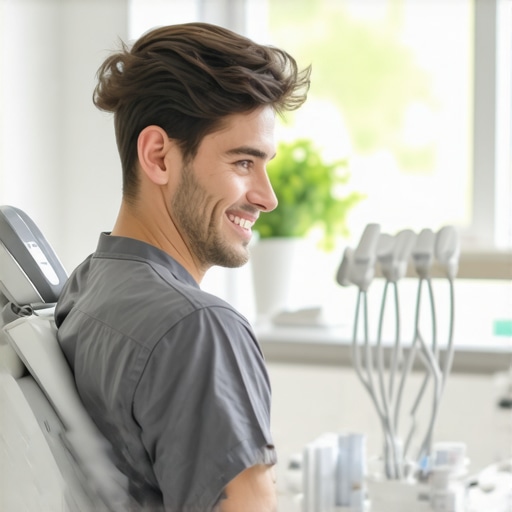
I remember the first time I sat nervously in the dentist’s chair, heart pounding, palms sweaty, wishing I could disappear. It was more than just a routine cleaning; it felt like an ordeal that I dreaded months in advance. Every visit after that became a battle between my fears and the need for oral health care. If you’ve ever felt your anxiety creeping up just thinking about the dentist, you’re not alone. Many people avoid dental visits altogether because they feel overwhelmed by fear or past traumatic experiences. But here’s the thing: your oral health shouldn’t cause you constant stress or discomfort.
Why Finding the Right Dentist Matters for High-Anxiety Patients
The good news is that I eventually discovered there are dentists who specialize in making anxious patients feel safe and understood. But finding one isn’t as simple as searching online for the closest clinic. It’s about uncovering a professional who can truly accommodate your needs, applying modern techniques that reduce discomfort and fear. This realization transformed my approach to dental care. Knowing that I could work with a provider who understood my concerns meant I finally took control of my oral health without panic.
Did navigating this process seem daunting to you too? I know the feeling of uncertainty when you don’t know where to start. That’s why I want to guide you through the steps I took to find a dentist that truly prioritizes high-anxiety patients. Trust me, the right dentist can make all the difference, whether you’re dealing with dental phobia, sensitive gag reflexes, or other fears. And now, I can confidently say that I no longer dread my appointments.
One common mistake I made early on was assuming all dentists approach anxious patients the same way. It’s a mistake because, in reality, many practices lack the specialized training or tools necessary to ease your fears. For example, some dentists incorporate sedation options or employ calming technology that’s designed specifically for high-anxiety individuals. If you’re curious about what modern techniques can do for you, check out [family dentistry secrets](https://familydentistpro.com/family-dentistry-secrets-maintaining-oral-health-with-modern-techniques-at-254-pm). This resource offers insight into how contemporary dental practices are evolving to meet patient comfort.
But how do you identify who’s truly experienced in handling high-anxiety cases? That’s the question we’ll tackle next. Stay tuned as I share practical tips and personal lessons to help you find a dentist who will treat you with the care and understanding you deserve—because everyone deserves a healthy, confident smile without fear.
Identify Dentists Who Specialize in Anxiety Management
Start by searching for dental practices that advertise specific expertise in treating anxious patients. Look for clinics with team members trained in sedation dentistry or behavioral management techniques. During your initial call, ask about their experience with patients who have dental phobias. I once called a clinic, and after inquiring about sedation options, I felt more confident to schedule an appointment. This step narrows your options to professionals who understand and cater to your comfort needs.
Assess Modern Techniques and Technologies
Choose a dentist employing current comfort-enhancing methods. Technologies like laser dentistry, which minimizes noise and discomfort, or virtual reality goggles for distraction, can significantly reduce anxiety. I visited a practice that used calming aromatherapy and noise-canceling headphones, making my session surprisingly tolerable. Review the practice’s website or ask directly about these techniques to ensure they align with your needs.
Review Patient Testimonials Focused on Anxiety Relief
Look for reviews from patients who mention overcoming anxiety or fear. Personal stories reveal how a practice manages anxious patients in real scenarios. When I read about a patient who successfully completed treatment with sedation, I found hope and felt more comfortable moving forward. Use online platforms, social media, or ask the office for references to find these insights.
Plan Your First Visit with Clear Communication
Before your appointment, communicate your fears explicitly. Share specific triggers—like gag reflex sensitivity or sound sensitivity—and ask how they will be managed. During my first visit, informing the staff about my anxiety allowed them to adjust the environment, turning a stressful experience into a manageable one. Setting expectations and voicing your concerns upfront challenges the assumption that all dental visits are intolerable.
Consider Long-Term Relationship Building
Finding a dentist who offers consistent, compassionate care is vital. A good provider will remember your preferences and adjust strategies accordingly over time. I kept a mental note of what helped me—like frequent breaks—and discussed it at subsequent visits, which helped me relax even more. Developing a trusting relationship reduces anxiety by making each appointment feel familiar and safe.
When it comes to family dentistry, many believe that all dental professionals are interchangeable, but in reality, expertise varies greatly. A common myth is that crowns are only for aesthetic repair; however, they play a crucial role in restoring tooth strength and preventing further decay, especially for compromised teeth. Contrary to popular belief, Invisalign isn’t just for teens or cosmetic correction—it also offers discreet, effective orthodontic solutions for adults seeking to improve their bite and overall oral health, as detailed in [Invisalign myths debunked](https://familydentistpro.com/invisalign-myths-debunked-what-you-need-to-know-today). A nuanced understanding is essential because choosing the wrong approach can lead to unwarranted procedures or overlooked issues. For instance, many assume that regular brushing alone maintains optimal oral health, but advanced techniques like interdental cleaning and professional check-ups are equally vital. An often-missed detail is the importance of choosing modern, technology-driven practices that enhance patient comfort and outcomes, such as those outlined in [family dentistry secrets](https://familydentistpro.com/family-dentistry-secrets-maintaining-oral-health-with-modern-techniques-at-254-pm). Moreover, some are unaware that improperly fitted crowns or poorly executed Invisalign treatments can cause long-term complications, emphasizing the need for experienced, specialized providers. Don’t fall into the trap of assuming that any dental treatment is generic; each patient’s needs are unique, and so should be their care plan. The difference lies in the subtle nuances—like understanding the materials used for crowns, proper case selection for Invisalign, and integrating the latest innovations for holistic oral health. Remember, investing time in researching your dentist’s expertise can save you from costly mistakes down the line. For example, not all crowns are created equal—explore [expert advice on choosing the right crown](https://familydentistpro.com/choosing-the-right-crown-expert-advice-for-long-lasting-results) to ensure longevity and natural appearance. Similarly, staying informed about ongoing advancements in family dental care, such as laser technology or digital impressions, can significantly improve your experience. The key to mastering oral health is recognizing these subtle differences and making informed choices. Have you ever fallen into this trap? Let me know in the comments. Remember, an educated patient is a healthy patient.Maintaining a healthy smile requires more than just visiting your dentist—it’s about leveraging the right tools and techniques to ensure your oral health stays optimal over the years. I personally rely on a combination of advanced technology and proven methods to keep my family’s teeth in top shape. One indispensable tool is an ultrasonic water flosser, like the Waterpik Ultra, which I use daily. Compared to traditional floss, it effectively cleans hard-to-reach areas, especially around crowns and braces, reducing plaque buildup and preventing decay. Its ease of use encourages consistent flossing, which is crucial for long-term health.
How do I maintain oral health tools over time?
To keep my tools working effectively, I make it a habit to replace floss heads and nozzles regularly—usually every three months—since wear diminishes their efficacy. I also ensure my electric toothbrush’s battery is charged regularly and replace the brush head every three months, as recommended by dental professionals. Regular sanitization is vital; I soak my toothbrush heads in a hydrogen peroxide solution weekly to eliminate bacteria. This routine, combined with scheduled professional cleanings, creates a robust defense against oral issues. For those interested in newer tech, I recommend exploring AI-powered toothbrushes, which analyze your brushing patterns and provide real-time feedback, optimizing your technique. Predictions indicate that future tools will incorporate even more personalized data, adapting cleaning strategies based on your unique oral health profile, potentially through wearable sensors integrated with your dental practice management software.
Get started with this tip: Use a sonic toothbrush with pressure sensors
This combination not only ensures effective plaque removal but also prevents over-brushing, which can harm gums and wear down enamel. Personally, I’ve noticed healthier gums and fewer sensitivities since switching to a pressure-sensitive sonic brush. If you want to experience the benefits yourself, I suggest trying one with built-in Bluetooth connectivity, like the Oral-B Genius X, which syncs with your smartphone to track brushing habits. Making these small but impactful adjustments can significantly enhance your oral health. The key is consistency—integrate these tools into your daily routine, and you’ll see long-term results that reduce the need for invasive procedures later. For more insights on maintaining oral health with modern techniques, check out [family dentistry secrets](https://familydentistpro.com/family-dentistry-secrets-maintaining-oral-health-with-modern-techniques-at-254-pm). Remember, investing in the right tools today pays dividends in your family’s smiles tomorrow. Give one of these tools a try and watch your oral health improve steadily.Reflecting on the path to overcoming dental anxiety has taught me the importance of trusting expertise and embracing modern techniques. I realized that not all dental practices are equipped to handle high-anxiety patients—sometimes, a simple call or visit can reveal whether a provider truly understands your concerns. The benefit of seeking specialized, technologically advanced family dentistry is that it not only relieves fear but also promotes long-term oral health. Investing in your comfort now can save you from costly procedures in the future, and prioritizing this proactive approach has had a transformative impact on my family’s smiles. Remember, the right dentist can turn a dreaded appointment into an empowering step toward wellness.