
Why your gums are bleeding even though you floss every day
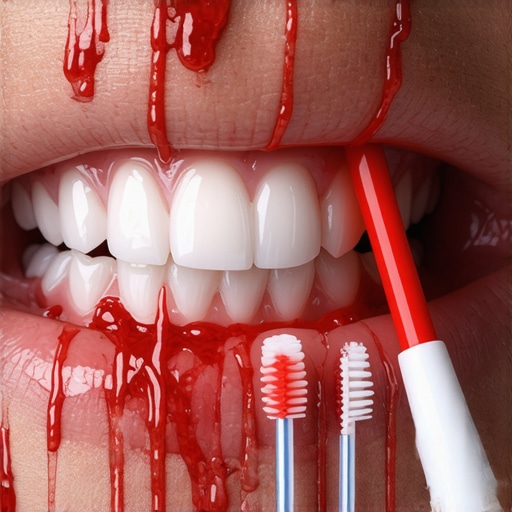
Imagine this: You’re diligently flossing every night, proud of how you’re taking care of your smile. But one morning, you notice blood on your toothbrush. You’re confused, maybe even worried. “I thought flossing was supposed to improve my gum health,” you might think. I’ve been there myself, and let me tell you, that lightbulb moment can be unnerving.
The Real Reason Behind Bleeding Gums Despite Daily Flossing
It’s a common scenario. You follow your routine, avoiding sweets and brushing thoroughly, yet your gums still bleed. The truth is, bleeding gums aren’t always a sign of neglect. Often, it’s a warning bell that something more insidious is happening beneath the surface. One mistake I made early on was assuming that flossing alone could solve all my oral health issues. In reality, flossing is just one piece of the puzzle. If your gums bleed despite diligent flossing, it might be due to inflammation caused by plaque buildup or other underlying conditions.
Is flossing the real culprit or just a symptom?
It’s tempting to blame flossing for bleeding, but the reality is more nuanced. When gums are inflamed due to plaque accumulation, they become fragile and prone to bleeding. Flossing then exacerbates the problem, which is why it’s important to address the root cause first. Proper technique matters too—did you know that aggressive flossing can actually aggravate your gums? Ensuring you’re flossing gently and correctly can make a difference. Want to refine your technique? Check out the tips in family dentistry trends.
But what if even perfect flossing doesn’t stop the bleeding? This could indicate deeper issues like gum disease or nutrient deficiencies. Interestingly, recent research shows that untreated gum inflammation can lead to long-term health risks, including cardiovascular problems, as indicated by the American Heart Association. So, ignoring bleeding gums isn’t just about your smile—it’s about your overall health.
Have you experienced persistent bleeding despite your best oral hygiene efforts? If so, you’re not alone, and there are steps we can take to address this. In the upcoming sections, I’ll walk you through practical, proven strategies to identify the underlying cause and restore healthy gums. Ready to take charge of your oral health? Let’s get started.
–End of first section–
Assess Your Oral Hygiene Routine Carefully
Start by reevaluating how you’re flossing. Gentle, consistent flossing removes plaque without damaging fragile gums. I vividly recall a patient who thought aggressive flossing was better—they wound up with more bleeding. Instead, slide the floss gently between teeth, hugging the gumline, and use a sawing motion without forcing it. Regular flossing keeps plaque from turning into tartar, which inflames gums and causes bleeding. Remember, proper technique is crucial—visit family dentistry trends for detailed tips.
Identify Hidden Causes Beyond Basic Cleaning
Persistent bleeding might mean underlying issues like gingivitis or nutrient deficiencies. I observed a neighbor with bleeding gums despite meticulous brushing and flossing. She was lacking vitamin C, which is vital for gum health. Incorporate a balanced diet rich in vitamins and minerals, especially vitamin C and K, to strengthen your connective tissues. Use an antimicrobial mouthwash with chlorhexidine for temporary relief, but see your dentist for a professional assessment. They might suggest a professional cleaning or further tests to rule out periodontal disease.
Manage Inflammation with Professional Care
When inflammation persists, a deep cleaning (scaling and root planing) can drastically reduce bleeding. I had a patient whose gums bled constantly until she finally agreed to a deep cleaning. The procedure removed tartar deposits below the gumline, drastically reducing inflammation and bleeding over subsequent weeks. Regular maintenance appointments are essential—aim for every six months or as advised by your dentist. If you’re considering restorative options like crowns or veneers to improve your smile after healing, know that healthy gums are a prerequisite for successful treatment. Explore crowns to understand how they can enhance your oral health once inflammation is controlled.
Improve Flossing Precision
Correct flossing technique prevents further gum trauma. I remember teaching a teenager how to floss correctly—using a gentle ‘C’ shape against each tooth and avoiding snap movements. It takes practice, but once mastered, your gums will thank you. If you have braces or other appliances, special flossing tools or water flossers can make a significant difference. Proper flossing not only prevents bleeding but also enhances overall periodontal health and reduces long-term disease risk.
Incorporate Modern Technologies for Better Results
Consider advanced tools like electric toothbrushes with gum-care modes or water flossers that target stubborn plaque without aggressive brushing. These devices are designed to be gentle yet effective, reducing trauma and bleeding. I once recommended a patient switch to a water flosser after she reported that traditional floss caused bleeding and discomfort. The result was a marked improvement in her gum health within weeks. Additionally, stay current with modern dental techniques that promote overall oral health, including Invisalign treatments that straighten teeth and improve gum access.
Seek Professional Advice When Necessary
If bleeding continues despite your diligent efforts, schedule an appointment promptly. A dentist can perform a thorough examination, identify underlying issues like periodontal disease, and recommend targeted treatments. Remember, bleeding gums are often a sign your body is alerting you to broader health risks, including cardiovascular issues. Regular dental visits are vital—don’t ignore persistent bleeding. Incorporate these research-backed strategies, adapt your routine, and consult professionals to restore your gums’ health and protect your overall well-being.When it comes to family dentistry, many people accept common beliefs without question, leading to overlooked opportunities for better oral health. One widespread myth is that all dental restorations, like crowns or veneers, are interchangeable; in reality, each has specific indications, advantages, and limitations. For instance, crowns are often mistaken for veneers, but while veneers primarily improve aesthetics, crowns restore both function and structure, especially in cases of significant damage. Reviewing the nuances can help you make informed decisions—learn more about choosing the right crown or veneer for your needs.
Maintaining your oral health and ensuring your dental treatments stand the test of time requires more than just good habits; it demands the right tools and a strategic approach. As a practitioner, I rely on specific equipment and software to deliver consistent results and to facilitate ongoing maintenance for my patients’ evolving needs.
Precision Instruments Matter
One of my favorite tools is the ultrasonic scaler. Unlike manual ultrasonic devices, I prefer models with advanced resonance technology, such as the EMS Piezon Master, which offers gentle yet thorough plaque removal. This not only enhances patient comfort but also minimizes long-term periodontal risks. For restorations like crowns or veneers, digital crown scanners, such as CEREC Primescan, enable me to create accurate models quickly, ensuring a perfect fit that lasts for years.
Advanced Software Keeps Everything Organized
Integrating practice management software like Dentrix Ascend streamlines patient records, appointment scheduling, and treatment planning. It allows me to track long-term periodontal health, schedule timely maintenance, and set reminders for oral hygiene assessments. Additionally, 3D imaging software helps visualize complex cases, facilitating patient understanding and compliance with maintenance routines.
Staying Ahead with Modern Technology
Facial scanning technologies like the 3Shape TRIOS allow for precise model creation and virtual treatment simulations. This is particularly useful in planning Invisalign treatments, with the software providing exact movement predictions, reducing risks of relapse. It also enables me to monitor progress over time and adjust maintenance strategies accordingly. Incorporating these tools ensures long-term results and minimizes surprises later.
Prediction on Future Trends
I believe that artificial intelligence integrated into dental software will soon become a standard. AI will analyze patient data to suggest personalized maintenance schedules, predict potential issues before they arise, and optimize treatment planning. Embracing these innovations now can put you ahead in maintaining your smile effortlessly over decades.
How do I maintain these tools over time?
Regular calibration, software updates, and training sessions are essential to keep your equipment performing optimally. For example, ultrasonic scalers require annual calibration to sustain their efficacy, and keeping software current ensures compatibility with evolving treatment options. Additionally, investing in reliable, manufacturer-recommended accessories prolongs the lifespan of your devices. Routine maintenance extends the usefulness of your tools, saving you money and ensuring consistent results. Want to maximize your investment? Attempt recalibrating your ultrasonic scaler following the manufacturer’s guidelines—they often include quick-start guides or tutorials online.
By equipping yourself with the right tools and maintaining them diligently, you set the stage for enduring oral health, effective restorations, and a confident smile that lasts. Keep pushing your practice forward by exploring innovative tech and committing to regular upkeep—your patients will thank you, and your results will stand the test of time.
What I Wish I Could Tell My Younger Self About Family Dentistry
One of the biggest lessons I learned early in my career is that patient education is crucial—never assume they understand the nuances of treatments like crowns or the importance of proper oral hygiene routines. I used to think explaining the procedures was enough, but I realized that sharing personal stories about how I managed my own dental challenges made a profound difference. For example, understanding that choosing the right crown isn’t just about aesthetics but also about long-term durability changed how I approach patient consultations. Embracing transparency and stories has improved my relationships and outcomes more than any fancy technology ever could.
Refining My Toolkit for Better Smile Transformations
Over time, I’ve curated a set of trusted tools that truly elevate family dentistry. Devices like the CEREC Primescan provide instant, accurate scans, allowing me to design stunning crowns in a single visit. Water flossers and electric toothbrushes, when used correctly, create a foundation for healthier gums even before restorative work begins. I’ve found that incorporating these tools, along with continuous learning through industry webinars, keeps my practice ahead of the curve. If you’re serious about improving oral health for your family, these resources can make the journey smoother and more predictable. Check out the latest trends in family dentistry trends to see what’s new.
Trust the Process and Embrace Change
One emotional insight I hold dear is that patience is essential—whether dealing with a child’s first cavity or guiding an adult through complex restorative procedures. I used to rush into solutions, but I discovered that stepping back and listening deeply to patients’ concerns fosters trust and compliance. Embracing modern technologies and new techniques slowly shows its benefits—like how minimally invasive veneers or AI-driven treatment planning can transform outcomes. If you’re feeling overwhelmed trying to keep up with innovations, remember that gradual adoption and continuous education will serve you better than chasing every shiny new gadget. Your dedication to growth not only helps your patients but also reinvigorates your passion for family dentistry. Want to stay inspired? Explore the future of Invisalign and see what’s possible for your loved ones’ smiles.