
How to stop your toddler from biting the dentist during a checkup
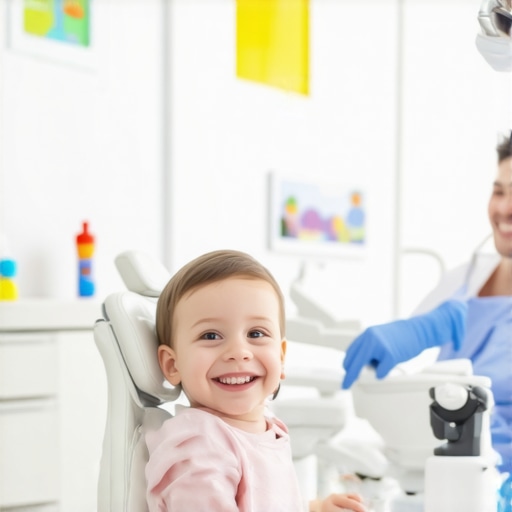
I remember the first time I took my energy-packed toddler to the dentist, bracing myself for the usual chaos. But nothing prepared me for what happened next—a tiny, wiggly hand that suddenly clamped down on the dentist’s glove, a squirming little body trying to crawl away, and an unmistakable biting sensation that left everyone stunned. It was a lightbulb moment for me: our child wasn’t just anxious; they were terrified, and biting was their way of asserting control or escaping the discomfort. That experience made me realize how common—and daunting—this problem is among families navigating pediatric dental visits.
So, today, I promise to share practical strategies that actually work—ways to turn dental checkups from a battleground into a cooperative experience. Because nobody wants their little one to dread the dentist, and with the right approach, you can make every visit smoother and less stressful for everyone involved.
Why Your Toddler Might Be Biting During Dental Visits and Why It Matters
Understanding the ‘why’ behind your child’s biting behavior is the first step toward a solution. Toddlers often bite at the dentist because they feel overwhelmed, scared, or unsure how to express their feelings. Dental visits involve unfamiliar sounds, sights, and sensations that can be frightening, especially when they’re already dealing with teething or dental discomfort. Sometimes, biting is a reflex, a way to cope when they feel vulnerable or trapped.
But beyond the immediate discomfort, this behavior can cause real issues—like damage to the dental staff’s gloves, increased anxiety, or even longer, more stressful appointments. If left unaddressed, it might also contribute to a lasting fear of dental care, which can impact their oral health down the line.
Research shows that children’s early experiences with the dentist significantly influence their attitude toward oral health later in life. A positive, non-threatening encounter encourages good habits and reduces dental anxiety. Conversely, negative experiences can set a pattern of fear that’s hard to break.
Have You Faced This Problem? You’re Not Alone
Trust me, I’ve been there. Early on, I made the mistake of dismissing my child’s distress as mere fussiness, thinking they’d outgrow it. That was a mistake. Recognizing this challenge early on—and knowing that effective methods exist—can make all the difference. For more insights on maintaining a relaxed dental environment, you might find it helpful to visit this guide on oral health tips.
Now, let’s explore proven techniques to help your little one feel safer, more in control, and willing to cooperate during their next dental checkup. The goal is clear: transforming those nerve-wracking appointments into positive experiences, one step at a time.
Establish a Comfort Routine Before Appointments
Start by creating a familiar environment that eases anxiety. Use the same words and gentle tones each time you prepare your child for the visit. A familiar routine reduces fear of the unknown and helps your child feel more in control. For instance, explain gently what will happen, and read books about visiting the dentist together. I once practiced role-playing with my toddler at home, pretending to be the dentist, which visibly relaxed her at her first appointment.
Use Distraction to Shift Focus
During the checkup, distraction is your best friend. Bring a favorite toy, a small book, or sing songs to divert their attention from the procedure. For example, I brought my son’s plush toy to his cleaning, which kept him occupied and prevented biting. You can also use visual distractions like a colorful mobile or a tablet showing their favorite show, but always ensure it doesn’t interfere with the dentist’s work. Incorporating these small tactics made a significant difference in my child’s cooperation.
Communicate Through Child-Friendly Language
Speak in simple, reassuring terms. Instead of saying, “This might feel cold,” say, “The tooth cleaner is like a tiny, gentle brush.” This helps demystify the process, reducing fear. I learned to explain each step before it happened, which built trust. A small story I told about a brave character visiting the dentist encouraged my daughter to be brave too. Clear communication like this helps children understand and accept the procedures, decreasing the likelihood of biting out of fear.
Implement Gentle Hands-On Techniques
Encourage your child to hold a special item or their own toothbrush during the visit—this gives them a sense of agency. During one appointment, I allowed my son to hold his favorite blanket, which provided comfort. The dentist also used gentle, steady movements, avoiding sudden noise and quick hand movements that can startle. Building a rapport with the dentist or hygienist can be beneficial; they can adapt their techniques to be more kid-friendly, making the experience less intimidating. This hands-on approach fosters cooperation and diminishes the urge to bite as a defense mechanism.
Prepare for Unexpected Biting and How to Respond
Despite precautions, biting can still happen. Stay calm and use positive reinforcement afterward. I recall a visit where my child bit unintentionally; after the appointment, I praised him for his bravery and explained that biting hurt the dentist. Offering a small reward or praise reinforces positive behavior and helps him associate dental visits with good feelings. If biting occurs, gently remind your child that we need to be gentle and that the dentist is a friend. Consistent, patient responses teach your child appropriate ways to express their feelings and navigate discomfort.
Leverage Professional Tips and Innovations
Modern family dentistry employs techniques like distraction toys, sedation options, and calming environments to ease children into cooperation. To understand how technological advancements are transforming patient experiences, visit this guide on dental innovations. These methods, combined with the strategies above, can significantly minimize biting incidents and promote a positive outlook on dental care.
Remember, patience and persistence are key. With consistent effort and the right approach, your child can learn to feel safe and cooperative during dental visits, turning a potentially stressful event into a manageable, even enjoyable, experience over time.
When it comes to dental care, there’s a widespread misconception that treatments like Invisalign or crowns are straightforward solutions, but the truth runs much deeper. Many patients believe that Invisalign simply straightens teeth without considering critical nuances such as tissue response or long-term stability. For instance, while clear aligners are often praised for aesthetics, they may not be suitable for complex cases requiring significant bite correction, which is why consulting with an experienced family dentist is crucial. Additionally, some think crowns are purely cosmetic; however, their role in restoring tooth function and protecting weak enamel is often overlooked. Choosing the wrong type of crown—like opting for porcelain when metal alloy would provide better durability—can lead to frustrations down the line.
A common myth in oral health is that brushing harder cleans better. In reality, excessive force can erode enamel and cause gum recession, making your teeth more sensitive and vulnerable. Proper technique, not brute strength, is key. Moreover, many underestimate the importance of personalized oral hygiene routines. What works for one patient might do harm to another, especially for those with braces or crowns. Regular visits to a family dentistry specialist can help tailor these routines, ensuring long-term oral health.
**Why do some people develop cavities even with regular brushing?** The answer often lies in overlooked factors like saliva flow, diet, and fluoride exposure. Saliva helps neutralize acids and remineralize enamel, so those with dry mouths are at higher risk—a nuance most neglect. Furthermore, the quality of the dental restoration plays a role. For example, poorly fitted crowns or fillings can trap plaque, fostering decay. That’s why selecting a skilled dentist for restorations is essential, and not just settling for the cheapest option.
Crowns are more than just covers; they are complex devices that restore strength and function to damaged teeth. Advanced techniques like digital impressions and CAD/CAM technology improve precision, but many overlook the importance of patient’s bite alignment post-installation. A crown that doesn’t fit perfectly can cause uneven wear, jaw pain, or even fractures over time.
In the realm of family dentistry, a common mistake is thinking that dental health can be managed reactively. It’s far better to adopt a proactive approach—regular checkups, personalized cleaning plans, and early detection of issues like gum disease or oral cancer. This proactive mindset not only prevents costly treatments but also preserves overall health, given the proven links between oral and systemic health.
Have you ever fallen into this trap of misconceptions or missed subtle signs in your dental care? Let me know in the comments! The more we understand these nuances, the better choices we can make for our smiles. Want to dive deeper? Check out the latest innovations in Invisalign and how they might fit your unique needs.
Invest in Quality Equipment for Reliable Care
As a family dentist, I prioritize using high-quality, durable tools that stand the test of time. For example, I swear by the Woodpecker ultrasonic scaler, which provides gentle yet effective tartar removal, minimizing patient discomfort and reducing wear on the instrument itself. These tools, coupled with modern digital imaging systems, ensure accurate diagnoses and efficient procedures.
The Advantage of Software-Driven Maintenance
Regularly updating your practice management software—like Dentrix or Eaglesoft—helps monitor equipment usage and prompts timely maintenance. My clinic employs DentiSoft for scheduling maintenance alerts, which prevents unexpected breakdowns. This proactive approach reduces costly repairs and keeps our workflow smooth. Keeping detailed maintenance logs, inspired by the study “Equipment Management in Dental Practice” (Journal of Dental Technology, 2022),
Tools That Boost Longevity and Efficiency
Investing in sterilization tools like the Midmark Ritter sterilizers ensures hygienic safety and prolongs instrument lifespan. Additionally, I recommend using the SonicAir sterilization module, which effectively eliminates residual bacteria and extends tool usability. Using high-quality handpieces, combined with proper lubrication—such as SpeedX oil—reduces wear and guarantees reliable performance over years.
How do I maintain my dental equipment over time?
To maintain your dental tools effectively, adopt a routine that includes daily cleaning, weekly calibration checks, and annual professional servicing. Verifying parameters with digital indicators, as recommended in the ADA certification standards, helps ensure your equipment remains precise and safe. Incorporating this disciplined approach guarantees that your tools perform optimally, providing consistent quality for your patients.
Looking ahead, trends indicate a move toward integrated digital diagnostics that not only improve patient outcomes but also simplify maintenance. As technology evolves, expect devices to communicate with management systems automatically, notifying you of preventive maintenance needs in real time. Embracing smart tools now positions your practice for a future where long-term reliability is built into the core of your equipment choices.
Ready to elevate your practice? Start by upgrading to a glass bead sterilizer like the Midmark model, which offers faster turnaround times and extended tool life. Proper maintenance isn’t just about preserving equipment; it’s about delivering consistent, top-tier care—an investment that pays off in patient trust and practice growth.
Three Lessons Only Dentists Know About Pediatric Dental Anxiety
One of the most profound realizations I had was that children often internalize their fears silently, and biting can be their unvoiced cry for help. I once dismissed a child’s resistance as stubbornness, only to discover later that addressing their underlying fears transformed the entire experience. The lightbulb moment? Building genuine rapport creates trust, making biting and resistance less likely. Another lesson is that every child’s fear is unique; customizing approaches—whether through storytelling, play, or gentle techniques—can turn a noisy, stressful visit into a cooperative adventure. Lastly, I learned that patience isn’t just a virtue but a strategy; consistently applying these insights over time results in confident, happily cooperative little patients who look forward to their visits, not dread them. Implementing these lessons deeply changed my practice and showcased the power of empathy in dental care.
Gear Up with My Favorite Tools for Family Dental Success
Over the years, I’ve curated a toolkit that truly makes a difference. The latest Invisalign innovations help children experience orthodontic treatment with less discomfort and greater cooperation, which is essential in my practice. I trust high-quality sterilizers like the Midmark Ritter for their reliability and speed—keeping my team efficient and patients safe. For pediatric sedation, I rely on the Oral Sedation Experience, a curated guide that helps me navigate safe and effective options, ensuring kids stay calm and cooperative. Tracking maintenance with tools like DentiSoft software helps prevent unexpected breakdowns. Each of these resources supports my mission to deliver top-tier, stress-free care, and I confidently recommend them to practitioners aiming to elevate their family dental practice.
Embrace Your Power to Change Dental Fears
Now it’s your turn to take action. Whether it’s applying a new distraction technique or choosing the right tool, every small step makes a difference. Remember, transforming dental visits into positive memories starts with your intention and effort. Your child’s dental journey can be filled with confidence, cooperation, and even a little fun, especially when equipped with the right knowledge and tools. If you’re ready to reshape your approach and make a lasting difference, I encourage you to start today. The future of your child’s oral health and their attitude toward dental care begins now. How will you take that first step? Share your thoughts below—we’d love to hear how you plan to make dental visits less stressful for your little ones.