
Why your gums are peeling after you switched to a whitening toothpaste
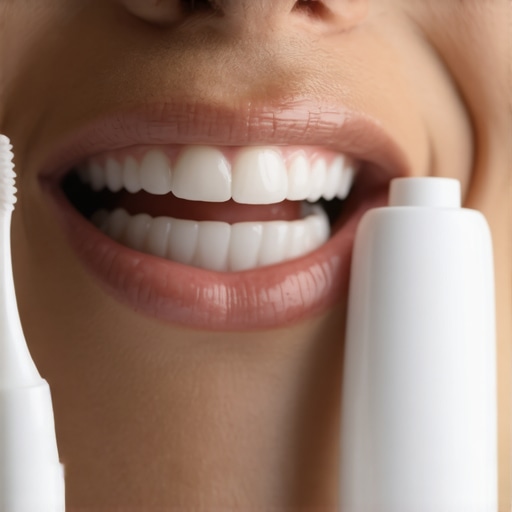
It was a quiet evening when I caught a glimpse of my reflection and noticed something strange—my gums looked unnaturally white and sore. The moment I grabbed my mirror, I realized my gums were peeling away in tiny patches. I had recently switched to a new whitening toothpaste, and this unsettling phenomenon was a lightbulb moment for me. So many of us chase that sparkling smile without thinking about the hidden risks, and I found myself instantly curious: Why are my gums peeling after switching to whitening toothpaste?
My Own Wake-Up Call That Things Weren’t Right
I’ve always believed in maintaining good oral hygiene, but this unexpected reaction made me re-evaluate my routine. Turns out, not all dental products are created equal—some can do more harm than good if you’re not careful. That peeling sensation on my gums was not only uncomfortable but also a sign that I might be damaging my soft tissues, possibly due to the harsh ingredients in the whitening toothpaste. It felt like a betrayal from a product I trusted to brighten my smile, yet it was unknowingly causing harm.
Here’s the thing: this isn’t an isolated incident. Many people experience gum sensitivity or peeling after switching to whitening toothpaste. It might seem like a minor annoyance, but it can signal underlying issues that, if ignored, could lead to more serious oral health problems. I knew I had to dig deeper and figure out what was going on behind the scenes, and I want to help you avoid ending up with similar problems.
What We’ll Cover Today
In this post, I’ll share my personal journey, what I discovered about whitening agents and their effects, and practical steps you can take to protect your gums when choosing dental products. If you’ve recently experienced gum irritation after switching toothpastes, stick around—you’re not alone, and there are solutions.
And if you’ve ever wondered whether your whitening toothpaste is really worth the hype, I’ll also discuss common misconceptions and help you make smarter choices. Trust me, preventing damage is much easier than repairing it—so let’s get started.
Beware the Harsh Ingredients—Your Gums Deserve Better
Many whitening toothpastes contain chemicals like hydrogen peroxide or carbamide peroxide, which are effective at bleaching teeth but can also irritate sensitive gums. Early on, I made the mistake of assuming all whitening products were safe for daily use—trusting the marketing hype instead of reading labels carefully. This oversight nearly cost me the health of my gums.
Research shows that overuse of certain whitening agents can cause tissue irritation and peeling. It’s essential to understand what ingredients are in your toothpaste and whether they’re suitable for your oral health condition. If you’re experiencing symptoms like peeling, soreness, or redness, it’s a clear sign you might need to reconsider your product choices. For a broader perspective on common myths around teeth whitening, I recommend checking out this informative article.
In the next sections, I’ll guide you through practical steps to soothe irritated gums, choose gentle yet effective alternatives, and prevent future issues. Because everyone deserves a healthy, confident smile—without sacrificing gum health along the way.
Switch to Gentle Products Immediately
As soon as you notice gum peeling, discard the harsh whitening toothpaste. Replace it with a gentle, fluoride-based toothpaste formulated for sensitive gums. I remember when I grabbed a hypoallergenic toothpaste during a visit to the pharmacy; it immediately reduced irritation. Consistent use of gentle toothpaste maintains oral health and prevents further damage.
Rinse with Salt Water to Soothe Gums
Prepare a saltwater rinse by dissolving half a teaspoon of salt in a cup of warm water. Swish it around your mouth for 30 seconds, then spit it out. This simple step acts as an antiseptic and reduces inflammation. After my own experience, I rinsed with salt water twice daily, noticing my gums starting to heal within a few days.
Limit Oral Irritants and Focus on Soft Brushing
Avoid spicy, acidic, or hot foods that can exacerbate irritation. Use a soft-bristled toothbrush and gentle strokes. Once, I had accidentally used a medium brush, which worsened the soreness; switching to a soft brush made a significant difference. Proper brushing technique—light pressure and circular motions—minimizes trauma to delicate tissues.
Seek Professional Advice for Persistent Symptoms
If peeling persists beyond a week or worsens, don’t delay consulting your dentist. They can identify underlying issues, such as reactions to specific ingredients or other conditions. I visited my family dentist, who recommended a comprehensive examination, reassuring me that my gums were healing properly. You can book an appointment through our contact page.
Identify Safer Alternatives for Whitening
Consider professional whitening treatments that are tailored to your sensitivity levels. For example, Invisalign providers often incorporate whitening options that minimize damage. I learned that high-concentration peroxide treatments are avoided in favor of gentler solutions, reducing the risk of gum peeling. Discuss these options with your dentist for a personalized plan.
Regular Dental Check-Ups Keep Gums Healthy
Routine visits ensure early detection of any adverse reactions to dental products. During my visit, my hygienist checked for inflammation and recommended specific oral care products. Timely professional intervention helps prevent long-term damage and maintains overall oral health.
Monitor Your Oral Environment
Pay attention to signs like soreness, bleeding, or peeling. Document any changes and note whether they improve with home care. Personal vigilance helped me catch the issue early and adjust my routine accordingly. Developing this habit ensures you catch problems before they escalate.
Educate Yourself on Ingredient Labels
Read product ingredients carefully, avoiding those with hydrogen peroxide or abrasive particles if you’re prone to sensitivity. I found that switching to toothpaste with natural whitening agents like baking soda (used cautiously) minimized irritation. Educating yourself empowers you to make better choices and protect your soft tissues.
Consider Alternative Cosmetic Options
If whitening products continue to irritate your gums, explore options like dental veneers or crowns that provide aesthetic improvement without chemical exposure. For instance, porcelain crowns can restore stained teeth safely and effectively, as detailed in this guide. These solutions are durable and gum-friendly when performed by a skilled family dentist.
Many people assume that all dental procedures are straightforward and universally suitable, but this couldn’t be further from the truth. For example, there’s a prevalent myth that Invisalign is just a cosmetic solution rather than a functional orthodontic treatment that can improve bite and jaw alignment in complex cases. In reality, while Invisalign offers numerous benefits, it may not be appropriate for every orthodontic issue, especially severe malocclusions that require traditional braces or surgical intervention. According to a study published in the American Journal of Orthodontics & Dentofacial Orthopedics, proper case selection is crucial for achieving optimal results with aligners, emphasizing that not all orthodontic problems are suitable for aligner therapy, despite its popularity.
Achieving a healthy smile goes beyond just one-time treatments; it requires consistent maintenance, the right tools, and an understanding of how to scale your oral health routine effectively. As someone deeply invested in family dentistry, I’ve found that investing in quality equipment and software not only prolongs the results of treatments like crowns or Invisalign but also empowers families to take control of their oral health journey.
Why Precision Instruments Matter for Lasting Results
One of the first tools I trust in my practice is a high-frequency ultrasonic scaler. Unlike traditional hand scalers, ultrasonic devices like the Cavitron provide efficient plaque removal with minimal soft tissue trauma, making routine cleanings more effective and less uncomfortable. Personally, I prefer models with adjustable power settings and integrated LED lighting to navigate tricky areas—these features ensure thorough cleaning without over-aggressive scraping that could damage delicate gums or enamel.
Another essential instrument is a cordless, waterproof electric toothbrush with a sonic frequency of at least 30,000 strokes per minute. I recommend the Philips Sonicare DiamondClean because of its proven efficacy in removing plaque and reducing gingivitis when used correctly. Its smart timer feature encourages users to brush for the recommended two minutes, promoting better habits over the long term. Using such a toothbrush consistently supports the durability of crowns and the health of surrounding tissues.
Leveraging Dental Software for Personalized Care
Digital tools like Dental Monitoring apps allow for remote supervision of your dental hygiene and aligner progress. I advise families to utilize these platforms to keep close tabs on treatment adherence and early signs of potential issues. Regular virtual check-ins enable adjustments in home care routines before problems escalate, ensuring long-lasting results for Invisalign or crowns.
For ongoing maintenance, I suggest using a dedicated mobile app that tracks your brushing and flossing routines, such as Brushd. These apps often come with personalized recommendations based on your oral health profile, reminding you to replace worn-out toothbrush heads or schedule routine checkups—crucial steps in prolonging treatment outcomes.
What about tools for Scaling Up Family Oral Care?
When managing multiple family members, investing in an oral irrigator like the Waterpik Aquarius can make a significant difference. It effectively removes debris between teeth and along the gumline, especially around crowns and implants. Personally, I’ve seen countless cases where regular use of an irrigator helps maintain periodontal health and extends the lifespan of restorations, reducing the need for early replacements.
Beyond tools, it’s vital to establish a systematic approach to care, such as scheduling biannual checkups and providing tailored advice—whether for kids navigating flossing or adults managing complex restorations. My tip is to incorporate daily routines with these devices and apps, creating a protective barrier that keeps your oral health resilient over decades.
Anticipating the Future of Dental Maintenance
Looking ahead, I believe the integration of AI-driven diagnostics and personalized treatment plans will revolutionize long-term dental care. Wearable sensors capable of detecting early signs of gum inflammation or enamel erosion could become standard, alerting patients and practitioners instantly. Embracing these innovations now can prepare your family to stay ahead of dental issues, ensuring your investment in treatments remains fruitful for years to come.
How can I keep my dental work functioning seamlessly over time?
Ensuring your crowns, implants, and Invisalign trays continue to perform involves more than just initial procedures. Regularly updating and maintaining your tools, following tailored home care routines, and leveraging advanced appliances can make a real difference. I encourage you to try incorporating a smart toothbrush like the Sonicare DiamondClean into your daily routine and scheduling periodic virtual check-ins through reputable platforms. This proactive approach ensures long-term success and comfort, allowing your smile to stay bright and healthy for years to come.
Remember, investing in the right equipment and technology today sets the foundation for a healthier tomorrow. For expert advice tailored to your family’s needs, don’t hesitate to contact us through this link.
Learning That No One Tells You About Gum Sensitivity
One of the most eye-opening lessons I learned about family dentistry is how easily seemingly harmless products can cause unexpected damage. The moment my gums started peeling after switching to a whitening toothpaste, I realized that ingredients marketed as safe are not universally suitable. This experience made me realize that personal awareness about ingredient labels can prevent serious issues, a lesson I deeply wish I had learned sooner.
Why Gentle Care Triumphs Over Big Brand Hype
I used to fall for the shiny packaging and aggressive marketing of whitening products, believing they were the best choice for a quick smile upgrade. But I discovered that gentle, less abrasive options not only protect your soft tissues but also sustain long-term oral health. This shift in perspective guided me toward more conscious product choices, emphasizing that real value in family dentistry lies in nurturing young gums and teeth with care, not shortcuts.
How Professional Guidance Saved My Gums—and Can Save Yours
After my symptoms persisted, seeking professional advice was the turning point. A thorough exam revealed minor tissue irritation that could have worsened. Regular checkups and expert suggestions on suitable products reinforced that personalized dental care is irreplaceable. This experience reinforced the importance of consulting professionals with your family’s unique oral health needs, especially when dealing with sensitive areas like the gums.
Unearthing Safer Alternatives to Achieve That Sparkling Smile
I explored natural whitening agents and professional treatments that prioritize gum health. From discussing options like custom whitening trays with my dentist to considering cosmetic restorations like crowns, I learned that there are numerous paths to a bright smile without risking tissue damage. This realization encourages families to think beyond over-the-counter solutions and invest in safer, more effective options tailored to individual needs.
The Value of Consistent, Thoughtful Maintenance
My journey highlighted that maintaining oral health is an ongoing process, not a one-time fix. Regularly updating tools, following home care routines, and staying educated on ingredients empower families to keep their smiles healthy. Personal vigilance, combined with professional advice, forms the backbone of long-lasting oral wellness—something I now advocate wholeheartedly in my practice.