
Why your front teeth look transparent at the bottom edges
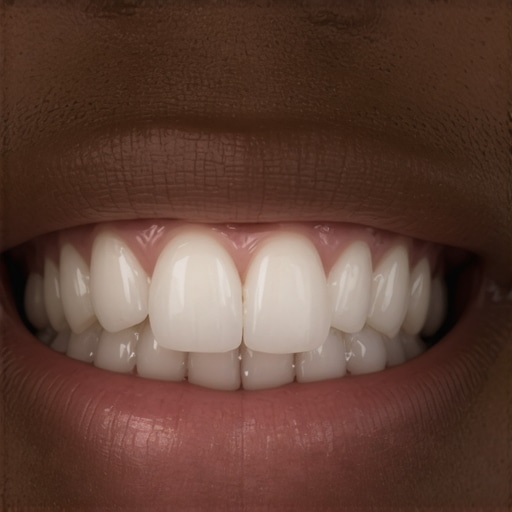
It was a morning like any other when I caught my reflection in the bathroom mirror—and that tiny, unsettling detail caught my eye: the very edges of my front teeth looked oddly transparent, almost like glass. At first, I brushed it off as a trick of the light or forgettable twinge from a recent whitening treatment. But as days went on, I couldn’t shake the feeling that this was more than just a visual quirk. It was a lightbulb moment: my smile was subtly changing, and I needed to understand why.
Deciphering the Mystery of Translucent Teeth
Are Your Teeth Losing Their Natural Strength?
When I first noticed the transparency, I learned it’s often linked to the thinning of the enamel, the protective outer layer of your teeth. This erosion can be due to numerous factors—acid erosion from dietary choices, aggressive brushing, or even grinding your teeth at night. As enamel wears thin, the underlying dentin becomes more visible, giving that translucent appearance. It’s a silent signal that your teeth might be weakening, and ignoring it can lead to increased sensitivity and a higher risk of cavities. Good oral health habits are essential for maintaining enamel strength and preventing further damage.
Have You Made These Common Mistakes?
In my early days, I assumed switching to whitening toothpaste would fix everything. Turns out, some products with harsh abrasives can erode enamel faster. I also underestimated how acidic drinks like soda and citrus juice can weaken enamel over time. Trust me, I learned the hard way that neglecting proper brushing techniques or overusing bleaching agents can accelerate transparency. A simple mistake like brushing too aggressively or choosing the wrong toothpaste can make your teeth more transparent rather than brighter. To get a clearer picture of how to protect your smile, check out why crowns can be a game-changer for fragile teeth.
Could This Be a Sign of Something More Serious?
While many cases of transparency are manageable, they can sometimes indicate enamel erosion that’s advanced enough to need professional intervention. In some instances, it might point to underlying health issues or nutritional deficiencies. The good news? Early detection and proper care can reverse or halt progression, restoring your confidence and your health. Are you facing this problem? If so, don’t wait—consult with a trusted family dentist to explore your options.
This is just the beginning. Next, I’ll share practical, proven steps to strengthen your enamel and bring back that natural, healthy look to your smile. Let’s dive into what really works.
,
Strengthening Your Teeth with Targeted Care
Adopt a Gentle Oral Hygiene Routine
Start by replacing harsh, abrasive toothpastes with gentle, fluoride-rich options that protect enamel. Use a soft-bristled toothbrush to avoid unnecessary wear. I remember the first time I switched to a manual brush with soft bristles; the difference was instant—I noticed less sensitivity and less enamel erosion. Consistent, gentle brushing minimizes enamel damage while effectively removing plaque. Regular flossing complements this routine, targeting areas that a brush can’t reach. Remember, aggressive scrubbing is like sanding down a wooden surface—counterproductive and damaging.
Adjust Dietary Habits
Cut back on acidic foods and drinks such as soda, citrus juices, and wine. Instead, incorporate water and calcium-rich foods that help remineralize enamel. When I started limiting my citrus intake and rinsing my mouth afterward, I observed gradual improvement in tooth transparency. Using a straw for acidic beverages can further reduce contact with teeth, much like how using a filter filters out damaging elements before they reach your skin. Furthermore, avoid frequent snacking on sugary treats—constant sugar exposure acts like sandpaper on your enamel over time.
Incorporate Remineralization Products
Use remineralizing agents like fluoride gels or varnishes recommended by your dentist. These products help rebuild lost enamel structure, akin to patching a cracked wall rather than replacing it entirely. In my experience, applying fluoride varnish during routine visits provided a noticeable boost to my enamel’s resilience. Ask your family dentist about tailored options; they may suggest topical treatments or dental sealants for added protection.
Professional Interventions to Repair and Protect
Visit Your Dentist for a Comprehensive Evaluation
Schedule an appointment for a thorough assessment of your enamel health. Digital X-rays or visual examinations can identify the extent of erosion. During one such visit, my dentist detected early signs of enamel thinning, allowing us to implement preventive steps before further damage occurred. Regular check-ups are essential—they act as a safety net, catching problems before they worsen. Professionals may also recommend specific treatments based on severity, such as bonding or crowns.
Explore Restorative Options Like Crowns or Bonding
When enamel transparency is advanced, restorative procedures become necessary. Dental crowns, for example, act as protective covers, restoring function and aesthetic. Think of crowns as helmets for your teeth—shielding weak structures from further harm. During my own consultation, I learned that crowns are durable and can last many years with proper care; they’re a game-changer for fragile teeth. Modern techniques, such as porcelain-fused-to-metal or all-ceramic crowns, provide natural appearance alongside durability. Ask your provider about choosing the right restoration at these options.
Consider Invisalign for Alignment and Preservation
If misalignment is contributing to uneven enamel wear, options like Invisalign offer a discreet solution. They help correct bite issues that cause uneven pressure on teeth—saving enamel in the process. I opted for Invisalign after learning about its benefits; the clear aligners are like invisible braces, guiding teeth into optimal positions without the discomfort of traditional wires. Properly aligned teeth distribute bite forces evenly, which reduces the risk of enamel thinning over time. Explore the latest innovations in family dentistry here.
Maintaining Long-Term Enamel Health
Adopt these core techniques into your daily routine to preserve your smile’s vitality. Remember, consistency is key—think of it as watering a plant regularly to keep it healthy. Regular professional visits and mindful habits form a comprehensive defense against further transparency and decay. Over time, these targeted actions can restore confidence and the natural beauty of your smile, making it resilient against future challenges.
,Many believe that choosing between treatments like crowns or Invisalign is straightforward, but the reality is nuanced. A common misconception is that all dental crowns are the same, leading patients to prioritize cost over fit and material quality. In truth, the success of a crown depends heavily on the type chosen and the expertise behind its placement. According to the American Dental Association, improperly fitted crowns can cause decay and gum issues—so investing in a qualified specialist is crucial. Similarly, there’s a myth that Invisalign is suitable for all misalignments. While Invisalign offers remarkable benefits, it isn’t a one-size-fits-all solution. Severe bite issues or complex cases often require traditional braces. However, advances in Invisalign technologies, like incorporating attachments for better tooth movement, have expanded its capabilities. To navigate these options effectively, consult with a family dentist who stays updated with the latest trends, such as the emerging family dentistry treatments outlined in latest trends in family dentistry. Another misunderstanding involves oral health routines—many think brushing is enough for long-term health. However, neglecting flossing or being unaware of the importance of remineralization products can undermine your efforts. For example, using fluoride gels or varnishes during routine visits can significantly strengthen enamel, as highlighted in authoritative sources. Advanced mistakes include wait-and-watch approaches when symptoms appear, assuming minor issues will resolve on their own. This can lead to irreversible damage, emphasizing that early intervention is key. Remember, modern dentistry employs innovations like digital imaging and laser therapies, making preventive care more effective than ever. Have you ever fallen into this trap? Let me know in the comments!
How Do You Know When a Treatment Is Truly Suitable for You?
Deciphering the right approach requires understanding your unique oral health needs, which a professional assessment provides. Avoid relying solely on online opinions; instead, seek trusted advice that considers technological advances and individual conditions, such as the use of crowns or Invisalign in complex cases. For tailored guidance, visit why crowns can be a game-changer or explore which orthodontic option fits your lifestyle. This proactive stance ensures your choices truly support your long-term health and confidence.
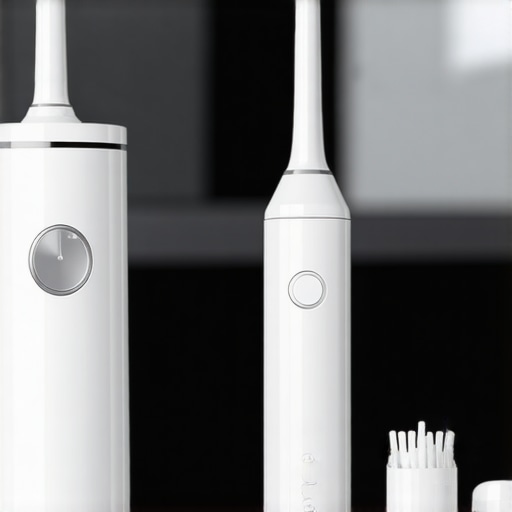
Maintaining optimal oral health in a family setting requires more than just good habits; it demands the right tools and strategies that stand the test of time. Over the years, I’ve refined my toolkit to include equipment and methods that prioritize precision, durability, and ease of use. For example, I swear by the Oral-B Genius Pro electric toothbrush—its oscillating-rotating technology effectively removes plaque deep between teeth, which manual brushes often miss. The built-in pressure sensor safeguards against over-brushing, protecting enamel, especially crucial when dealing with sensitive or translucent teeth.
In tandem, I rely on Waterpik Ultra Water Flosser for interdental cleaning. It’s remarkably efficient at dislodging food debris and plaque, reducing bleeding gums and preventing interdental decay—a proven preventative measure endorsed by many dentists. Its adjustable pressure settings help personalize the experience, making it ideal for kids and adults alike. Learn more about modern techniques for family oral health.
For strengthening enamel, I recommend using Clinpro 5000 fluoridated toothpaste. Its high fluoride concentration aids in remineralizing weakened enamel, especially on teeth showing signs of transparency. I personally incorporate it into my nightly routine after consulting with my dentist, who confirmed that such targeted products can significantly slow or reverse early erosion.
Investing in digital impression scanners like the iTero Element has revolutionized how I plan restorative procedures. They provide highly accurate 3D images of teeth, enabling precise crown fittings and Invisalign aligner creation. This technology minimizes chair time, enhances comfort, and improves long-term fit—critical for durability and patient satisfaction. I predict that as 3D imaging becomes more widespread, our ability to customize treatments for each individual will only improve, pushing the boundaries of family dentistry further. Stay ahead with emerging tech trends.
Consistency in using these tools is key. Regular maintenance, such as replacing toothbrush heads every three months and cleaning appliances thoroughly, extends their lifespan and effectiveness. Additionally, pairing equipment with software like the Dental Monitoring app allows for remote check-ins, ensuring your family’s oral health stays in check between visits.
How do I maintain my tools over time?
Regular cleaning and timely replacement are essential to prevent bacterial buildup and ensure optimal performance. Following manufacturer instructions for sterilization and storage prolongs their usability. For example, I soak my electric toothbrush tips in antibacterial mouthwash weekly and replace them every four months. Using software updates and practicing diligent maintenance ensures your investment continues to serve your family well.
Going forward, the trend is toward smarter, connected dental tools that integrate with apps for real-time monitoring and personalized advice. Embracing such innovations now can provide peace of mind and better results in the future. Why not start by trying a high-quality water flosser today? It’s a game-changer for family oral hygiene and long-term health.
What I Wish I Knew About Protecting My Smile from the Start
Early in my journey, I believed that regular brushing and flossing were enough—until I realized that enamel health requires more than just routine. A simple realization that thinning enamel can sneak up on you changed everything, teaching me that personalized care and early intervention are vital to avoiding complex restorations. My biggest lightbulb moment was understanding that proactive, tailored strategies can save you time, money, and emotional stress in the long run.
Tools and Resources That Actually Make a Difference
Over time, I curated a toolkit that transformed my family’s dental health. I trust the quality of crowns and the innovative Invisalign solutions that fit our busy lives. These aren’t just splurges; they’re investments that promote lasting oral health. Additionally, cutting-edge tech like smart toothbrushes and remote monitoring apps keep preventive care accessible and effective for everyone in the family.
Let Your Smile Inspire Action in Others
Now, more than ever, I see the power of a healthy smile to boost confidence and convey sincerity. If you’re hesitant about treatments like crowns or Invisalign, remember that personalized dental care has advanced to suit diverse needs—no one-size-fits-all solutions here. My advice? Take charge, consult seasoned professionals, and embrace the innovations designed with your family’s well-being in mind. Your journey toward a resilient, radiant smile can start today—so why wait?
What first step will you take to improve your oral health? Share your thoughts below—I’d love to hear your story!
,