
Why your Invisalign attachments keep falling off when you eat

I remember the exact moment I realized my Invisalign attachments kept falling off—mid-bite into a crunchy apple. Just like that, my smooth smile journey hit a snag. I thought, “Is this normal? Am I doing something wrong?” Turns out, many people face this frustrating issue, and it’s more common than you might think. If you’ve ever felt like your attachments are betraying you every time you eat—especially those sticky, crunchy, or chewy foods—you’re not alone. And the good news is, there’s a way to manage this problem effectively.
Understanding Why Attachments Come Off During Meals
Invisalign attachments are tiny, tooth-colored bumps glued onto your teeth to help the aligners do their magic. They’re incredibly useful, but they can be a bit delicate—particularly when it comes to your favorite foods. One of the main reasons these attachments might fall off during meals is the constant biting and chewing forces they endure. Chewy foods like caramel or steak can put additional stress on the bonding, especially if the attachments aren’t perfectly adhered or if the bonding material wasn’t fully cured initially.
Early in my Invisalign journey, I made the mistake of thinking that if I avoided eating around the attachments, I’d prevent problems. Wrong. Attachments are most vulnerable during eating, but they’re also affected by how well they were bonded in the first place. Poor curing or a slightly imperfect bond can make attachments more prone to falling off. According to research, bonding failures can occur if the procedure isn’t performed with precise technique, or if the patient doesn’t follow post-application instructions (source: Invisalign myths debunked).
But don’t worry. Knowing why this happens is the first step to avoiding or minimizing the issue. And, as I’ll show you, there are practical steps you can take to keep your attachments intact and ensure your alignment progresses smoothly. Whether you’re just starting with Invisalign or have been wearing it for a while, understanding this aspect of your treatment can save you a lot of trouble—and money. Ready to find out how to keep your attachments where they belong? Let’s dive into the solutions that worked for me—and can work for you, too.
Secure Attachment Bonding Before Eating
Start by maintaining excellent oral hygiene and ensuring your attachments are well-bonded. Schedule regular check-ins with your dentist for professional evaluations. During your appointment, ask about the strength of your attachments and request tips for at-home care. Proper bonding is like building a strong foundation for a house; it minimizes the risk of failures during your day-to-day activities.
Choose Your Foods Wisely and Prep Properly
Opt for foods that are less likely to put stress on your attachments. Avoid sticky, chewy, or hard items like caramel, nuts, or popcorn. When you do indulge in challenging foods, prepare by cutting them into smaller, manageable pieces. Think of it as cracking a tough nut with a nutcracker—reducing the force needed prevents unnecessary stress on your attachments.
Master Gentle Eating Techniques
Use Your Back Teeth for Chewing
Focus on chewing with your molars instead of your front teeth. This distributes pressure evenly and reduces direct impact on attachments. I remember once chewing a granola bar cautiously, slowly shifting my bite to my molars, which minimized the pull on the attachments. It works like using the right tool for a job—applying the correct force prevents damage.
Slow Down and Chew Carefully
Eat slowly to allow your jaw to adjust and reduce sudden outward force. Chewing too vigorously is like trying to tear a sheet of paper quickly—it increases the chance of tearing or dislodging the attachments. Taking small bites and chewing thoroughly gives your attachments a better chance to stay intact.
Practice Proper Aligners Management
Remove your aligners carefully, avoiding yanking or twisting, especially near attachments. When putting them back, make sure they seat properly without excess force. This is similar to fitting a puzzle piece; gentle, precise movements avoid dislodging your attachments or damaging the aligners.
Use Protective Measures When Eating Challenging Foods
Consider wearing a mouthguard or even a thin dental stop to cushion your bite during meals, particularly if you have a history of attachment issues. Think of it as adding a bumper to prevent the collision—protecting both your attachments and your teeth. Additionally, if you feel a attachment loosen while eating, don’t try to re-bond it yourself; contact your dentist for proper repair procedures.
Follow Up and Document Issues
Keep track of any attachments that come loose or fall off. Take photos if possible and notify your dentist promptly. Early intervention helps prevent more extensive damage and keeps your overall treatment on track. Remember, maintaining communication is like having a safety net—prevents small problems from turning into big ones.
By applying these practical steps, you enhance the durability of your Invisalign attachments and keep your treatment progressing smoothly. Combining mindful eating habits with proper oral care ensures that your journey toward a perfect smile stays on course without unnecessary setbacks.
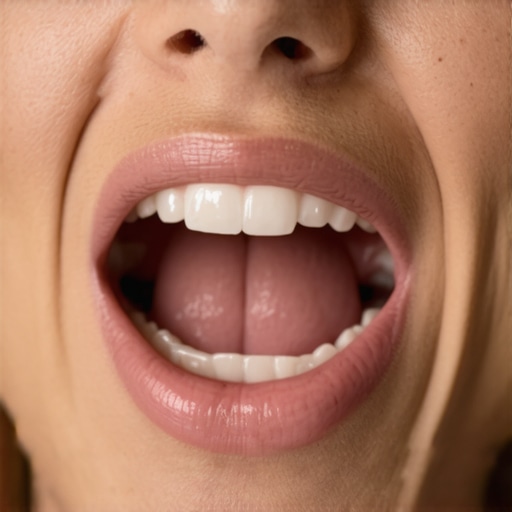 Many patients believe they understand dental restorations and orthodontics thoroughly, but even seasoned individuals often get crucial details wrong. A common misconception is that crowns are just cosmetic fixes rather than vital functional restorations. In reality, crowns serve as the cornerstone of restorative dentistry by protecting weakened teeth and restoring biting function, which is extensively discussed in this comprehensive guide. Also, many think Invisalign is merely a discreet alternative to braces, but advanced techniques and ongoing innovations significantly improve treatment outcomes, as I explore here.Maintaining your dental restorations and orthodontic appliances over time requires the right tools and a bit of knowledge. Personally, I rely on a high-quality ultrasonic cleaner for crowns and retainers, which ensures cleanliness without damaging delicate materials. This device vibrates at specific frequencies, dislodging plaque and debris more effectively than manual brushing alone, extending the lifespan of your restorations. When it comes to aligner maintenance, I prefer to use an enzyme-based cleaning solution that neutralizes bacteria and keeps Invisalign trays fresh, which I find more effective and gentler than harsh chemicals.
How do I maintain my crowns and aligners for the long haul?
Regularly soaking them in specialized cleaning solutions not only preserves their appearance but also prevents bacterial buildup. I advise checking out the detailed recommendations in this article on future dental tech, which emphasizes the importance of advanced cleaning methods. Predictably, as technology advances, future tools like nanotech surface disinfectants or smart dental implants integrated with sensors might become commonplace, providing real-time health monitoring and maintenance reminders. To stay ahead, I urge you to try using a professional-grade ultrasonic cleaner for your crowns and retainers—it’s a game-changer in long-term oral health maintenance.
As I reflect on my own experience with Invisalign, I’ve realized that the quiet, often overlooked lessons are the most impactful. One moment that truly changed my perspective was discovering how small habits could dramatically influence attachment retention. I learned that consistent, mindful care isn’t just about aesthetics—it’s about empowering your smile’s transformation with durability and confidence. Prioritizing small daily actions, like gentle aligner handling and strategic food choices, can prevent setbacks and keep your journey smooth. Understanding this deepens my appreciation for the nuanced art of orthodontic success, revealing that patience and proactive habits are the real game-changers.
Another insight was the importance of staying informed about advances in dental technology and care techniques. By exploring trusted sources like this article on future dental innovations, I found that integrating new tools such as ultrasonic cleaners and enzyme solutions can significantly extend the life of my aligners and restorations. These small investments in quality tools foster healthier oral environments and reduce long-term costs. Embracing continuous learning and adopting cutting-edge solutions turned my approach from reactive to proactive, making my dental health a continual source of pride and assurance.
Lastly, the power of community and expert guidance became clear. Having trusted professional relationships means more than just quick fixes; it’s about ongoing mentorship that navigates you through uncertainties. Sharing experiences, asking questions like “How do I prevent my attachments from falling off during meals?” or seeking personalized advice creates a support system. This connection transforms the orthodontic process from a solitary challenge into an inspiring journey of shared knowledge and triumphs. Remember, your dedication to understanding and caring for your dental health catalyzes your confidence—and your smile.
Tools That Transformed My Approach
My go-to resources include innovative dental tech guides that keep me ahead in maintaining aligners and crowns. I swear by ultrasonic cleaners because they gently but thoroughly remove debris without damage, simplifying hygiene routines. For everyday tips, the family-focused oral health tips posts provide practical advice I rely on regularly. These tools and insights empower me to preserve my dental investments and enjoy a healthier, more confident smile every day.
Your Next Smile Step Awaits
Remember, mastering your dental health isn’t about perfection—it’s about commitment to growth and learning. Each small step you take today builds towards a brighter, healthier future. Embrace the journey with curiosity and confidence, knowing that every effort you make now will reflect in your radiant smile tomorrow. So, what habit will you develop today to support your Invisalign or crown care? Share your plans or questions below—I’m here to cheer you on!