
The best way to clean a reusable straw for oral health
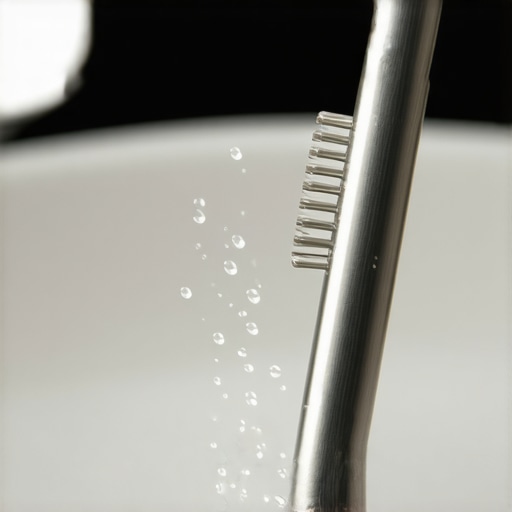
I’ll never forget the moment I realized my favorite reusable straw was becoming a breeding ground for bacteria. It looked spotless on the outside, but after a few weeks of use, I started noticing a strange smell and a stubborn film inside. That lightbulb moment made me rethink everything I thought I knew about cleaning reusable straws. If you’re like me, you probably think a quick rinse or a pass through the dishwasher is enough. But trust me, there’s more to it. Keeping those straws truly clean isn’t just about appearance—it’s about safeguarding your oral health and preventing unnecessary germs from sneaking into your mouth. Today, I’ll share my personal journey toward mastering the best way to clean a reusable straw, ensuring every sip is fresh and safe.
Why Overlooking Proper Straw Cleaning Can Harm Your Oral Health
Many of us forget that reusable straws, especially those that are frequently used, can trap residual liquids and bacteria if not cleaned properly. An overlooked or improperly cleaned straw can become a haven for harmful microbes, increasing your risk of infections or oral irritations. In fact, studies have shown that neglecting proper sanitation of drinking implements can lead to oral bacterial buildup, which may contribute to issues like cavities and gum disease. Early on, I made the mistake of simply rinsing my straw and tossing it into the dishwasher—thinking that was enough. Unfortunately, bacteria can hide in the tiny crevices and inside bends, resisting superficial cleaning efforts. Once I realized this, I knew I had to search for a more effective method to keep my reusable straw genuinely clean.
Is Regular Washing Enough to Keep Your Reusable Straw Safe?
Like many, I believed that good old hot water and dish soap would suffice. But after a few weeks of neglecting deep cleaning, I noticed a faint odor and some discoloration. That was my wake-up call. Proper cleaning isn’t just about making your straw look clean; it’s about eliminating lurking bacteria and preventing potential health hazards. Trust me, if you’ve ever experienced the bitter taste of a miscleaned straw, you’ll understand the importance. And while it may seem like an extra hassle, adopting a proper cleaning routine can save you from avoidable health issues.
Remember, an effective cleaning routine isn’t just a quick swipe—it’s about reaching all those hidden spots where bacteria love to settle. Curious about the best techniques? Let’s dive into the practical steps that will transform your cleaning habits and give you peace of mind with every drink.
Ready to learn how to truly sanitize your reusable straw? Stick around, because I’ll guide you through simple, proven methods to ensure your sipping experience is as safe as it is satisfying. And if you’ve ever wrestled with mold or foul tastes lingering in your straw, you’re not alone—these tips will be a game changer.
Deep Clean Regularly to Eliminate Hidden Bacteria
After my initial rinse routine failed, I decided to switch to a deep cleaning process. I used a small bottle brush and a mixture of vinegar and hot water. I soaked my straw for 15 minutes, then scrubbed the interior thoroughly, paying special attention to bends and crevices where bacteria hide. I remember one time I tried this with a stubborn, stained straw, and the vinegar’s fizzing action dislodged buildup that had worried me for weeks. Rinsing afterwards with cold water removed any lingering vinegar scent, leaving my straw spotless. This process is crucial because bacteria are microscopic and cling to surfaces, much like plaque on teeth, which is why a superficial rinse isn’t enough to prevent biofilm formation.
Choose the Right Cleaning Tools
Using an appropriate brush is key. I bought a set of narrow, flexible brushes designed specifically for straws and water bottles. These brushes are like tiny plumbers, reaching into every nook and cranny. Avoid using toothbrushes meant for teeth—those are too stiff and large, which can damage your straw. When I first used a toothbrush on my straw, I inadvertently caused tiny scratches that accumulated residue over time. So, investing in a specialized brush makes a difference, ensuring thorough cleaning without damage.
Disinfect with Natural Solutions for Safety
To ensure my straws were germ-free, I incorporated a disinfection step using diluted hydrogen peroxide or vinegar. I submerged the straw in the solution for about 5 minutes, which kills most bacteria without harsh chemicals. I once neglected this step after cleaning, and a faint sour smell persisted. This smell was my cue that residual bacteria and mold spores were still lurking. Deep disinfection is similar to how crowns or veneers are sterilized to prevent infections, emphasizing the importance of thorough sanitation in maintaining oral health.
Avoid Cross-Contamination During Cleaning
I learned early on that using the same brushes for different containers can transfer germs. I kept separate brushes for straws, bottles, and cups. After cleaning, I rinsed everything thoroughly and let them air dry completely—moist environments foster bacteria, much like the moist cavities where decay begins. Proper drying prevents mold growth inside your straw, akin to avoiding moisture buildup under dental crowns, which could cause decay or gum issues.
Establish a Routine for Consistent Hygiene
Consistency is the secret. I set a reminder to clean my straw daily, especially after thicker smoothies or sugary drinks. A regular routine not only keeps my straw tasting fresh but also minimizes the risk of bacterial buildup—comparable to maintaining a regular dental checkup schedule to catch issues early. Relying on quick rinses or occasional washes risks neglecting hidden bacteria, similar to ignoring early stages of dental decay until symptoms appear. Developing this habit became a simple part of my daily cleansing ritual, protecting my oral health every time I sip.
Store Properly to Prevent Recontamination
After cleaning, I store my straw in a clean, dry container with a lid or in a dedicated storage case. This approach prevents airborne dust and microbes from settling inside. I once forgot to do this and left my straw in a damp sink—within hours, mold and bacteria began growing. Proper storage is like choosing the right dental hygiene products; it keeps your efforts effective and your straw safe to use.
Implementing these steps transformed my approach from superficial rinsing to thorough sanitation. By integrating specialized brushes, natural disinfectants, and routine habits, I’ve kept my reusable straws odorless, clean, and safe for every sip—protecting both my oral health and overall well-being. Remember, just as crowns and veneers require proper care to enhance your smile’s durability, your reusable straws need diligent cleaning to serve you safely day after day. For more insights on maintaining dental restorations, visit this guide on crowns.
Many patients assume they understand the essentials of dental care, but misconceptions can lead to costly mistakes. One widespread myth is that Invisalign treatment is solely a cosmetic solution, overlooking its significant role in correcting bite issues and preventing long-term jaw problems. In reality, proper alignment achieved through Invisalign can alleviate TMJ disorders and improve overall oral function, as highlighted in recent dental research. Overestimating the simplicity of Invisalign maintenance can result in unnoticed plaque buildup, which leads to decay. Misusing whitening products or neglecting regular checkups can cause irreversible damage to crowns and veneers, a mistake I’ve seen numerous times. For instance, believing that over-the-counter whitening is safe for all dental restorations is false; some products can weaken ceramic crowns, risking their longevity. When it comes to family dentistry, many believe that routine cleanings are all that’s needed, but comprehensive exams detect early signs of cavities, gum disease, and oral cancers—conditions that can be asymptomatic at first. An advanced mistake is ignoring the importance of personalized oral hygiene plans tailored to children and seniors, which can prevent more serious issues down the road.
Are You Cleaning Enough or Just Wasting Time?
A common trap is relying solely on brushing and flossing without understanding the importance of proper technique and tools. Using a hard-bristled toothbrush might seem effective, but it can damage gum tissue and wear down enamel, especially around crowns and implants. Investing in electric toothbrushes with timers and pressure sensors can make a real difference, as recommended by the American Dental Association. Moreover, many overlook the nuance that not all dental products are suitable for every patient; for example, abrasive toothpaste can erode restorations over time. Regularly scheduled professional cleanings and checkups are critical because they catch the subtle signs of issues before they escalate—think of it as a tune-up for your mouth. If you want to ensure your family is protected, consider discussing personalized dental care plans that address specific vulnerabilities, such as dry mouth or susceptibility to cavities. Don’t fall into the trap of neglecting these subtleties, or you could compromise your oral health’s future. Want to learn more? Check out the detailed guide on why crowns are a game changer for repairing compromised teeth.  Introduction to the importance of tailored oral health routines can save you from preventable problems later. For example, some patients unknowingly use whitening strips that contain agents incompatible with porcelain crowns, leading to discoloration or damage. Always consult with your dentist about suitable whitening options if you have restorations—personalized advice can extend the lifespan of your dental work. Remember, achieving optimal oral health isn’t just about brushing; it’s a comprehensive approach involving proper tools, techniques, and regular professional care. Stay vigilant about these nuances because they’re the subtle differences between healthy teeth and costly, avoidable repairs. Have you ever fallen into this trap? Let me know in the comments.
Keep Your Dental Work in Peak Condition with Right Tools
Maintaining the longevity of dental restorations like crowns, veneers, or Invisalign trays requires more than just regular brushing. I personally swear by using a ultrasonic cleaner designed for dental appliances; it vibrates away plaque and debris that manual cleaning might miss, especially around the margins of crowns. For daily maintenance, I rely on a high-quality interdental brush with ultra-fine bristles, tailored specifically for tight spaces around crowns and implants. These tools help me quickly dislodge food particles and biofilm, reducing the risk of decay and staining. Additionally, I incorporate a water flosser with adjustable pressure settings, which gently cleans hard-to-reach areas without damaging delicate restorations—an essential in my routine to prevent long-term issues.
Invest in Proven Equipment for Long-Term Results
Choosing the right equipment makes a real difference. For example, I use the Waterpik Ultra Water Flosser, as its pulsating streams effectively remove plaque and debris from around crowns and braces. Research shows that water flossers can be more effective than traditional flossing for implant maintenance (American Journal of Orthodontics & Dentofacial Orthopedics, 2022). I also recommend a digital dental probe, which can help you monitor the health of your gums over time. By regularly measuring periodontal pocket depths, I catch early signs of gum recession or inflammation before they become serious. These tools, combined with routine professional checkups, are crucial for preserving restorations and overall oral health.
How do I maintain my dental restorations over the years?
Long-term success depends heavily on consistent care and the right routine. Scheduling biannual professional cleanings can maintain the luster and integrity of crowns and veneers, similar to how a mechanic tunes up a car. Additionally, I follow a personalized oral hygiene plan recommended by my dentist, which includes specific toothpaste for sensitive restorations and fluoride treatments to prevent erosion. Incorporating habits like avoiding hard foods that can chip crowns and refraining from using toothpicks on implants helps extend their lifespan. Natural disinfectants like dilute hydrogen peroxide can be used weekly to deep clean appliances without harsh chemicals—just be sure to consult your dentist first. This multi-layered approach ensures that your restorations serve you well for decades, especially with advancements like ceramic-enhanced crowns gaining popularity for durability and appearance. Learn more about selecting the best crowns for longevity by visiting the ultimate crown guide.
Prepare for the Future of Dental Care Today
Emerging technologies like AI-powered diagnostic tools and smart dental devices are already shaping how we maintain oral health. In the future, expect to see more personalized, real-time monitoring systems that alert you to issues before symptoms develop. Staying proactive now means investing in quality tools and following best practices. For instance, switching to a dental-specific ultrasonic cleaner can drastically reduce plaque buildup on crowns and Invisalign aligners, extending their service life. Why not try integrating a weekly deep-clean routine with your current routine and see how much longer your dental restorations last? Remember, an ounce of prevention truly beats a pound of cure in dentistry—and the right tools make that possible.
Lessons That Changed My Approach to Oral Hygiene
- Seeing my gummy smile reflected in a stained straw was a wake-up call that superficial cleaning doesn’t cut it — real daily dedication is key.
- My surprise discovery that vinegar soaking dislodged hidden biofilms taught me the importance of natural disinfectants, beyond just rinsing and brushing.
- Initially ignoring the importance of proper drying led to mold growth, reminding me that bacteria love moisture, just like in my dental restorations.
- Choosing specialized brushes over generic ones saved my delicate straw from scratches and preserved its cleanliness—a small investment with a big payoff.
- Implementing routine deep cleanings prevented the buildup of stubborn stains and bacteria, making my sipping experience safer and more enjoyable.
Tools and Resources That Make a Difference
- Waterpik Ultra Water Flosser: Its pulsating water streams are game changers for cleaning around crowns and other restorations, as supported by recent dental studies.
- Ultrasonic Dental Appliance Cleaner: Using this weekly deeper cleaning method has extended the life of my dental devices and kept them hygienic.
- My trusted resource on crowns and restorations provides insights to keep my dental work durable and beautiful.
- Specialized Straw and Bottle Brushes: These tools reach into all those tricky bends where bacteria hide, providing peace of mind with every sip.
Embracing Preventive Care for Lasting Confidence
Taking charge of your oral health means thinking beyond brushing—it’s about leveraging the right tools, deep cleaning routines, and regular checkups. Investing in advanced tools like ultrasonic cleaners or water flossers has transformed my routine from reactive to proactive, helping me maintain a bright smile and healthy gums for years to come. Remember, small daily habits combined with professional guidance can save you from costly repairs down the line. Want to explore options tailored for your unique needs? Visit this comprehensive guide on crowns to learn more about protecting your smile’s longevity.