
Why your child’s adult teeth are coming in behind their baby teeth
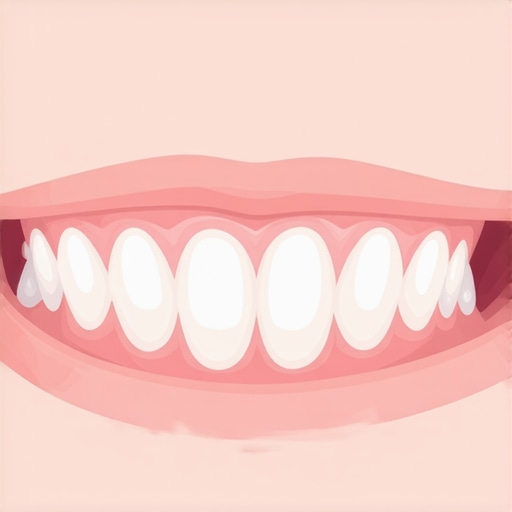
I remember the exact moment I realized something was off with my child’s dental growth. It was after a routine brushing, and I noticed her permanent teeth seemed to be hiding behind her baby teeth, stubbornly refusing to push through. That little lightbulb moment turned into a whirlwind of worry, questions, and eventually, action. If you’ve ever faced this unsettling sight, you know how confusing and frustrating it can be.
Understanding Why This Happens to Your Child’s Teeth
It’s natural for parents to worry when their child’s teeth aren’t coming in as expected. Often, the cause is simple—sometimes, baby teeth may linger longer than they should, blocking the way for adult teeth. In some cases, the permanent teeth are just slow to emerge, but in others, there’s a more specific reason, like misalignment or space issues. From my experience, early intervention can make all the difference in preventing future orthodontic problems—that’s why catching these signs early is so vital.
Is this problem actually worth the concern or just a phase?
Honestly, I made the mistake early on of dismissing it as a temporary glitch. I told myself, “They’ll come in eventually.” But it’s a mistake many parents make, and it can lead to more complicated—and costly—solutions later. According to experts, delayed eruption of adult teeth can sometimes indicate underlying issues that need professional attention. For more insights on maintaining dental health for the whole family, check out family dentistry secrets.
Understanding the why behind your child’s dental development is the first step toward preventing unnecessary worries and securing a healthy smile. In the sections ahead, I’ll share practical steps based on my journey that can help you navigate this common yet often overlooked dental concern.
Assessing and Monitoring Your Child’s Teeth Growth
Start by regularly inspecting your child’s mouth, especially if you notice persistent baby teeth or delayed eruption of adult teeth. Use a flashlight and a safe mirror to examine their teeth, noting any irregularities. Keep a simple record of what you observe to share with your dentist during visits. I once noticed my daughter’s permanent teeth seemed to be pushing behind her baby teeth after dinner; this prompt observation led me to schedule an appointment sooner than later.
Schedule a Professional Dental Evaluation
Book an appointment with a family dentist who specializes in pediatric care to get a thorough assessment. Emphasize your concerns about delayed eruption or misaligned teeth. During my visit, the dentist took X-rays that revealed a space issue blocking her permanent teeth, which could have led to future orthodontic problems. Regular check-ups, especially before age seven, serve as a preventive measure against more complex issues.
Explore Corrective Options Like Space Maintainers or Early Orthodontics
If your child’s dentist identifies space shortages or misalignment, discuss proactive treatments such as space maintainers or partial braces. Think of these devices as traffic controllers that guide teeth into proper positions—much like a GPS for your child’s smile. In my case, the dentist recommended a space maintainer, which I learned about through modern family dentistry techniques; it was a straightforward process that prevented future overcrowding.
Prioritize Oral Hygiene and Preventive Care at Home
Establish a daily routine that includes brushing twice with fluoride toothpaste, flossing, and limiting sugary snacks. Use visual reminders or timers to ensure your child brushes for the recommended two minutes. I found that making a game out of brushing helped my daughter develop good habits early on. Consistent oral hygiene keeps teeth strong and prevents cavities, reducing the likelihood of needing more invasive interventions later—like crowns or implants.
Address More Complex Dental Issues Promptly
If persistent issues like crooked teeth, spacing, or bite problems arise, consult your dentist about options such as braces, Invisalign, or crowns. Remember, early correction can save you from costly procedures down the line. For instance, I explored Invisalign; it proved to be a discreet way to straighten her teeth without the hassle of traditional braces. Discussing the benefits of different solutions with your dentist ensures you choose the best path for your child’s unique needs.
While many believe they know the essentials of family dentistry, several misconceptions persist that can lead to costly mistakes. One widespread myth is that dental restorations like crowns are simply cosmetic, when in reality, they play a vital role in restoring tooth function and preventing further decay. In my experience, understanding the true purpose of crowns, as detailed in restorative dentistry articles, can dramatically change how patients approach their dental health. Another offbeat misconception concerns Invisalign—many think it’s only suitable for minor corrections, but advanced treatment options now cater to complex alignment issues, a fact highlighted in Invisalign innovations. Moreover, there’s a common trap of undervaluing routine preventive care, viewing flossing and regular check-ups as optional rather than essential. Studies in modern techniques reinforce that consistent, science-backed routines substantially reduce the risk of advanced issues like periodontal disease. Making assumptions about the permanence of oral health—such as believing cavities are inevitable with age—is another mistake. Early intervention and tailored strategies can make a significant difference, emphasizing the importance of personalized dental assessments. I’ve seen many patients assume that once they’ve had a crown placed or Invisalign treatment, their work is complete, but maintenance is crucial. As experts confirm, choosing the right professional for these procedures ensures longevity and optimal oral function. Remember, myths can cause you to overlook early signs of trouble or delay seeking help. If you’re unsure about your dental care routine or treatment options, consult a professional who understands both the science and nuances behind them. Have you ever fallen into this trap? Let me know in the comments. For comprehensive guidance tailored to your family’s needs, explore the detailed insights on maintaining oral health that go beyond the basics.
Maintaining a healthy, functional smile requires more than just good brushing habits; it involves the right tools and techniques to ensure longevity and effectiveness. Over the years, I’ve tested various equipment and software to optimize my family dentistry practice, and I’ve found some game-changing solutions worth sharing. These tools not only streamline daily care but also help catch issues early, saving time and money in the long run.
Investing in a Quality Electric Toothbrush
I personally swear by high-end models like the Oral-B Genius X or Philips Sonicare DiamondClean. These toothbrushes employ sonic technology, providing superior plaque removal and gum stimulation compared to manual brushes. Their built-in timers and pressure sensors remind my family to brush thoroughly without damaging gums, which is vital for preventing receding gums or crowns from loosening. Regular use of an electric toothbrush also complements professional cleanings, extending the time between visits.
Using Advanced Oral Health Monitoring Apps
Modern dental apps like ‘Dental Monitoring’ sync with your smartphone to track brushing habits and remind you of scheduled check-ups. I use these to encourage my kids to brush properly and consistently, making oral health a family game. These apps often include guidance on correct brushing angles and techniques, which help prevent long-term issues such as cavities or crown damage. As technology evolves, I predict we’ll see more AI-driven tools that can assess oral health via photos, catching problems even earlier.
Choosing the Right Visualization Software for My Practice
For me, utilizing 3D imaging software like DEXIS or iTero has been invaluable. These tools enable detailed visualization of a patient’s oral structures, facilitating precise diagnosis and treatment planning—especially for crowns and Invisalign. They allow me to show patients potential outcomes vividly, increasing their confidence and compliance. In the future, integrating real-time AI analysis might further enhance diagnostic accuracy, ensuring proactive care instead of reactive fixes.
DIY Maintenance and Deep Cleaning Methods
Alongside professional procedures, I recommend tools like water flossers (e.g., Waterpik) and interdental brushes. These help remove plaque from hard-to-reach areas, preventing stubborn buildup that could compromise crowns or promote gum disease. Consistent, meticulous cleaning with these devices solidifies oral health over time. For ongoing success, schedule regular dental evaluations; in my practice, I advise visits every six months, or sooner if issues arise.
How do I maintain my dental equipment over time?
To keep tools like electric toothbrushes and imaging devices working effectively, proper cleaning and calibration are essential. Follow manufacturer instructions for replacing brush heads or batteries and ensure your imaging software is regularly updated for optimal performance. Maintaining hygiene and correct calibration ensures accurate diagnostics and reduces the risk of equipment failure. Relying on top-tier brands and staying current with technological advancements will help sustain long-term results in family dentistry. For more insights into modern techniques, check out family dentistry secrets.
Don’t forget, committing to advanced tools like these can dramatically improve your or your child’s oral health trajectory. Try integrating one new piece of equipment or software this month—perhaps a water flosser or a monitoring app—and observe the positive changes. Staying proactive and equipped ensures a smile that stays healthy and beautiful for years to come.
The Unexpected Truths That Changed My Perspective on Smile Maintenance
One of the most eye-opening lessons I learned was that early detection of dental issues opens the door to simpler, more affordable solutions—something I wish I had prioritized sooner. Waiting too long to address misalignment or spacing issues can lead to complex treatments down the line, emphasizing the need for attentive monitoring from a young age.
Another valuable insight was understanding that not all dental problems are purely cosmetic; many are functional and impact overall health. For example, untreated misalignments can cause bite problems, jaw pain, and even contribute to postural issues, reinforcing the importance of comprehensive care rather than quick fixes.
Additionally, I realized that investing in quality tools and staying informed about modern dental innovations dramatically enhances results. Apps that track oral hygiene habits or advanced imaging software allow for personalized care plans and early intervention, which are game-changers compared to traditional methods.
Lastly, I learned that the relationship with your dentist is a partnership built on trust and ongoing communication. Regular check-ups and open discussions about concerns and treatment options empower you to make proactive decisions for your family’s dental health, rather than reactive fixes that might be more invasive or costly.
Tools and Resources That Made a Difference
For anyone seeking to elevate their family dental care, I highly recommend exploring some trusted tools and sources. Starting with modern family dentistry trends, I gained insights into techniques like minimally invasive procedures and preventive strategies that truly make a difference. Using high-quality electric toothbrushes from brands like Philips Sonicare or Oral-B, backed by scientific studies, ensures effective cleaning and gum health.
Another invaluable resource is top oral health tips, offering practical advice that can be seamlessly integrated into daily routines. Furthermore, I found that reputable software for oral health monitoring or even educational videos from trusted professionals helped me stay engaged and informed about best practices for maintaining my family’s smiles.
Your Smile Journey Begins Today
Remember, the pursuit of a healthy, confident smile isn’t a one-time effort—it’s a lifelong commitment that rewards you with better health and happiness. Embrace the proactive steps, leverage the right tools, and cultivate an open dialogue with your dental team. Your family deserves the best care today and tomorrow—so don’t wait to start making those changes.