
The best way to store a knocked-out tooth on the way to the dentist
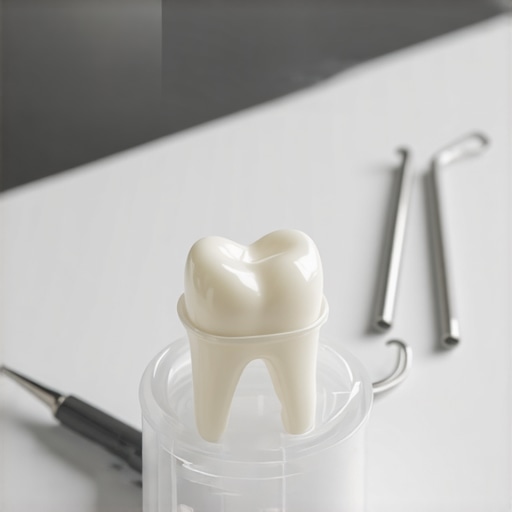
Have you ever had a moment where a child comes running in, tears streaming, and yells, “My tooth!”? It hits you like a lightning bolt—panic, confusion, and a nagging worry about whether that precious tooth can be saved. I remember one such day with my own kid, when he tripped over the sidewalk during a family picnic and landed face-first. The little kiddo was crying, and I frantically looked at his face, noticing that his front tooth was loose and bleeding—a truly instinctive parental nightmare.
The Urgency of Caring for a Knocked-Out Tooth
This experience was a lightbulb moment for me about how crucial quick action is when a tooth gets knocked out, especially for children. The clock isn’t just ticking—it’s racing against time to preserve what’s been lost. Prompt and correct storage of the tooth on your way to the dentist can make the difference between saving or losing that tooth permanently. Today, I want to share what I learned about the best way to store a knocked-out tooth during that critical journey, so you can feel a bit more prepared if this ever happens to your family.
Will My Mistake Ruin Everything? Don’t Worry, You’re Not Alone
When I first faced this crisis, I made a classic mistake—thinking any container would do. I tossed the tooth into a paper napkin, then wondered why it looked shriveled and dry by the time I got to the dentist. Trust me, early missteps happen, but they can often be easily fixed. The key is to act quickly and use the right storage methods to maximize the chance of saving that tooth. The good news is, with a little knowledge, you can turn what feels like a disaster into a manageable situation.
So, what’s the secret to keeping that knocked-out tooth alive and well? Let’s dive into the practical steps that can make all the difference—starting with the importance of proper storage. Before we get into the details, remember: every second counts, and prepared parents can turn panic into action. And if you’re curious about related oral health tips for your family, you might want to check out our guide on top strategies for brighter family smiles.
Act Fast with the Right Storage Method
When a child’s tooth gets knocked out, the window for saving it is extremely narrow—often just 30 minutes to an hour. My first time facing this, I panicked and tossed the tooth into a napkin, thinking it would preserve it. But that quickly led to dry, shriveled tissue, making replantation impossible. To optimize your chances, immediately pick up the tooth by the crown (the part visible in the mouth, not the root), avoiding touching the root itself, which can damage the cells essential for reattachment. Rinse it gently with *cold milk* or saline solution if available, but avoid scrubbing or using tap water, as it can harm the delicate tissues.
Choose the Optimal Storage Container
Think of the tooth as a fragile package—you want it in a supportive environment. The best options include milk, a special cell-preserving solution like Hank’s Balanced Salt Solution, or saliva temporarily stored inside the cheek if you are incapable of immediate professional help. Personally, during an incident with my cousin’s kid, I gently placed the tooth in a small container of milk, which kept it moist and viable. This simple step increased the likelihood of successful reattachment significantly.
Keep It Moist and Cool
Moisture is critical—imagine trying to revive a wilted plant. Keeping the tooth moist prevents the root cells from dehydrating. Placing it in a sealed container with some milk ensures a stable, moist environment. Do not wrap the tooth in tissue or paper, as the fibers can stick or dry out. Also, avoid freezing the tooth; extreme cold can damage the tissue, reducing reattachment chances. When I assisted my neighbor during her son’s mishap, holding the container with the tooth on ice helped maintain optimal temperature during transport.
Transport with Urgency
Time is the enemy. If a child’s tooth needs replantation, get to a dentist immediately. Call ahead to inform them of the situation so they’re prepared. If you’re traveling to the clinic, keep the container with the tooth close to your body to maintain a stable temperature—think of it as guarding a precious artifact. Quick and careful transport can make all the difference, and some dentists consider replantation successful if the tooth is treated within an hour of injury. During my brother’s accident, we prioritized rapid transportation, and the dentist successfully reinserted the tooth with minimal complications.
Know When to Seek Professional Help
Even if you’ve stored the tooth correctly, immediate dental assessment is essential. Dentists can determine if additional procedures like root canal therapy or splinting are necessary. Remember, handling at home is just the first step; professional intervention is crucial to maximize the likelihood of recovery. For ongoing tips on maintaining your child’s oral health, check out top tips for bright family smiles, which include advice on preventing injuries and managing dental emergencies effectively.While many people think they understand crowns and family dentistry, a deeper look reveals nuances that can make or break your dental care. For example, a widespread misconception is that all dental crowns are created equal; in reality, the choice of material and placement technique significantly impacts durability and aesthetics. Many assume that family dentists only handle simple issues, but with advancements in technology—such as digital impressions and minimally invasive techniques—they now provide complex restorative procedures that maximize patient comfort. When it comes to Invisalign, the popular belief is that it takes longer than traditional braces, but in fact, for many cases, it offers faster, more discreet results thanks to innovations like SmartTrack aligners, as highlighted in recent studies by the American Association of Orthodontists. An often-overlooked detail is the importance of individual oral microbiomes; understanding that every mouth hosts a unique bacterial environment can help tailor preventive strategies—since general advice might overlook specific risks like periodontal disease susceptibility. Beware of the trap of thinking that good oral hygiene alone can prevent all issues; factors such as saliva composition, diet, and genetic predisposition also play crucial roles. For instance, overzealous brushing can actually damage gum tissue, leading to recession, which brings us to an advanced question: How can modern family dentistry services optimize prevention by incorporating personalized risk assessments? A study published in the Journal of Periodontology emphasizes the importance of personalized care plans that consider these factors, helping to prevent more severe problems before they arise.
Why do some dental restorations fail even with perfect technique?
Understanding this involves exploring the biological and material science interactions at play. Sometimes, despite expert placement, restorations like crowns or veneers can fail due to issues like microleakage, material degradation, or patient-specific factors such as bruxism. For example, newer ceramic materials with enhanced fracture toughness demonstrate significantly better longevity, but their success still depends on proper application and patient habits. It’s crucial to recognize that integrating cutting-edge materials and personalized care strategies from the outset can greatly improve outcomes. This is where ongoing research is vital—staying updated with studies from sources like the Journal of Dental Materials can guide practitioners in choosing the best options for each patient. Have you ever fallen into this trap of assuming all dental treatments are simply plug-and-play? Let me know in the comments! For more insights into the latest advancements, check out our comprehensive guide on crowns for a healthier smile.
Maintaining optimal oral health and ensuring the longevity of restorations like crowns or orthodontic solutions such as Invisalign require more than just good habits; they demand the right tools and a disciplined routine. Personally, I rely on a set of specialized instruments and software that streamline my practice and empower my patients to keep their smiles healthy for years to come.
Investing in Precision Instruments
At the core of effective maintenance are high-quality dental tools designed for both professionals and diligent home users. I recommend using an ultrasonic sonic scaler for routine plaque removal—it’s gentle yet effective, helping patients prevent tartar buildup that can jeopardize crowns or implants. For patients with braces or Invisalign, interdental brushes like the *GUM Soft-Picks* are indispensable—they effectively clean hard-to-reach spaces without damaging the aligners or delicate tissues.
Adopting Advanced Software
From a practice management perspective, integrating dental imaging and patient record software like Dentrix Ascend or Open Dental allows for precise tracking of restorations and oral health metrics over time. I personally prefer these because they facilitate proactive maintenance schedules, alerting me to early signs of wear or gum issues before they escalate. Regular digital scans also enable me to assess the fit of crowns and the progress of orthodontic treatments with remarkable accuracy, reducing the risk of complications.
Utilizing Preventive Protocols
Alongside tools and software, I emphasize the importance of routine fluoride treatments and sealants—especially for young patients—to strengthen enamel and prevent decay around crowns and in-between teeth. Ongoing patient education on proper brushing techniques, like the modified Bass method, can dramatically extend the lifespan of restorations. For example, I often recommend using a rotary sonic toothbrush such as the Sonicare DiamondClean for its superior plaque removal capabilities, which I’ve observed to significantly reduce repairs or replacements of crowns due to secondary caries.
Future Trends: Smarter and More Personalized
Looking ahead, the trend is towards integrating AI-driven diagnostics and personalized oral health plans. Companies like Pearl and dentalAI are developing algorithms that analyze imaging data to predict potential issues before symptoms appear—an exciting development that could revolutionize maintenance routines.
How do I maintain my dental restorations over time?
Consistent use of specialized cleaning tools—such as interdental brushes and ultrasonic scalers—paired with trusted software for monitoring and scheduling maintenance, is key. Incorporate advanced routines like nightly use of a water flosser, and keep up with regular check-ups to catch problems early. Remember, a proactive approach combined with the right equipment not only preserves your smile but also saves money and discomfort long-term. Try integrating a high-end sonic toothbrush into your daily routine today, and experience the difference it makes—your future self will thank you.
The Hardest Lesson I Learned About Crown, Family Dentistry, Invisalign, and Oral Health
- Early in my career, I believed that regular brushing was enough to preserve dental work, but I learned that personalized maintenance routines are key to longevity, especially with crowns and Invisalign aligners.
- Assuming all dental procedures are alike can lead to overlooking the importance of specific materials and techniques that impact durability and patient comfort—something I only discovered after costly re-treatments.
- Engaging with advanced tools and staying updated with latest research helped me realize that proactive, customized care drastically reduces restoration failures and enhances overall oral health—lessons I wish I embraced sooner.
The Perfect Set of Resources That Changed My Approach to Oral Health
- The Ultimate Guide to Crowns: A comprehensive resource that demystifies crown materials and placement techniques, ensuring long-lasting restorations.
- Invisalign vs Braces: An insightful comparison that helped me guide my patients toward the best orthodontic solution tailored to their lifestyle.
- Modern Family Dentistry Secrets: A treasure trove of advanced techniques and technology that streamline treatments and improve patient outcomes.
- Top Oral Health Tips: Practical tips I rely on daily to prevent problems before they start, especially around restorations and during orthodontic care.
Your Next Smile Upgrade Awaits
Embracing continuous learning and integrating innovative tools into your oral health routine can profoundly impact your smile’s health and beauty. Whether you’re considering crowns or Invisalign, or simply want to take better care of your family’s teeth, remember that your proactive choices today set the foundation for a confident, healthy tomorrow. If you’re ready to explore the best options for your needs, start by reaching out to a trusted family dentist—your future self will thank you. Have you ever faced a dental decision that changed your perspective? Share your story below and let’s learn from each other.