
The secret to keeping your smile bright while drinking red wine
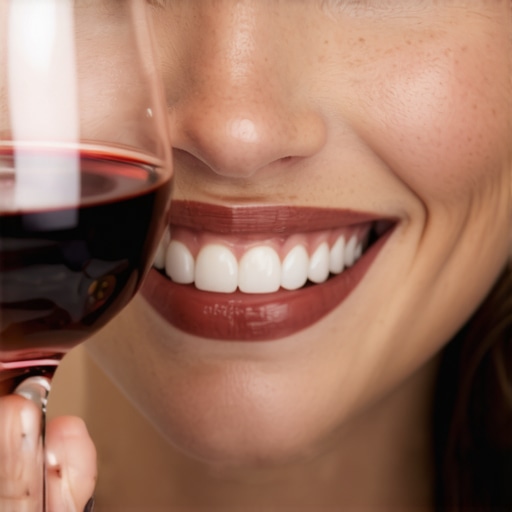
One evening, after a delightful dinner with friends, I reached for my glass of rich red wine, only to notice a faint stain creeping over my favorite shirt collar. The disappointment hit me hard. I love my red wine, but I hate how it dulls my smile and leaves behind stubborn stains on my teeth. That lightbulb moment made me wonder—can I truly enjoy my wine without sacrificing my bright, confident smile? If you’ve ever faced the same frustration, you’re not alone. Many of us want to savor that glass of Merlot or Cabernet without worrying about staining or dullness.
The Secret to Drinking Red Wine and Keeping Your Smile Bright
Well, friend, I’m here to tell you that you definitely can have your wine and keep your smile shining! Over the years, I’ve experimented with various tips and tricks, and I’ve uncovered some game-changing secrets. From simple habits to professional treatments, I’ll guide you through how to indulge in your favorite reds without the Post-Drink Dullness Dilemma. Whether it’s staining, discoloration, or sensitivity, I’ve got practical advice that’s easy to implement and highly effective. Ready to learn how to enjoy your wine guilt-free and maintain a luminous smile? Let’s dive in!
Is It Too Good to Be True? Trust Me, It’s Not
Early in my journey, I made the mistake of thinking I had to give up my nightly glass of red. I thought whitening treatments were only for movie stars and that stains were inevitable. That was until I discovered small, everyday habits that make a huge difference. For instance, I used to brush immediately after drinking, which actually hurt my enamel—an unnecessary mistake I learned the hard way. Want to avoid my rookie errors? Keep reading, and I’ll share proven strategies to protect and brighten your smile while still sipping your favorite vino. And if you’re curious about more comprehensive solutions, you might find this guide to dental crowns helpful for longer-lasting results.
Establish a Protective Oral Routine
Begin by developing a daily habit of brushing and flossing thoroughly, especially after enjoying red wine. This removes surface stains and prevents buildup. I remember one evening I sipped a generous glass of Merlot, then immediately brushed—big mistake. The enamel was vulnerable, and I noticed increased sensitivity afterward. Instead, rinse your mouth with water or a fluoride mouthwash to neutralize acids and wash away wine pigments. Consistent routine keeps teeth resilient and minimizes staining.
Time Your Drink and Oral Hygiene
Wait Before Brushing
After drinking red wine, wait at least 30 minutes before brushing. The wine’s acids soften enamel temporarily, and brushing immediately can wear it down. I learned this from a family dentist who explained that delaying helps protect enamel integrity. During my own experiment, I took a sip of water, waited, then brushed gently—my teeth felt cleaner and less sensitive. Such timing strategies are simple but impactful.
Use a Straw for Drinking
Using a straw directs wine past your front teeth, reducing contact and staining risk. Think of it like a bypass route that preserves your smile. I decorated my own reusable straw, and it made a noticeable difference during wine tastings. Plus, it’s environmentally friendly and easy to incorporate into your routine.
Incorporate Professional Solutions
For persistent staining or dullness, professional whitening treatments or dental crowns can make a significant difference. Crowns are like custom shields for damaged teeth—restoring both function and appearance. I visited the dentist for a consultation, and they recommended porcelain crowns in areas prone to staining. This approach provides a lasting solution, especially for teeth that have become discolored despite home care. To learn more about restorative options, check out this guide on dental crowns.
Manage Sensitivity to Maintain Confidence
If your teeth become sensitive after wine or whitening treatments, desensitizing toothpaste can help. I once experienced discomfort post-whitening, but switching to a toothpaste with potassium nitrate quickly alleviated the issue. Regular check-ups ensure that your enamel remains healthy, especially if you’re boosting your smile’s brightness. Considering options like Invisalign or other orthodontic treatments can also improve your bite and reduce uneven wear, which contributes to sensitivity—more on these innovations at this Invisalign versus braces comparison.
Adopt Long-Term Lifestyle Habits
Reduce stain accumulation by moderating how often you indulge in red wine and maintaining a balanced diet rich in fruits and vegetables, which naturally cleanse teeth. Avoid smoking, which can intensify staining, and stay hydrated to wash away residual pigments. From my own journey, a conscious lifestyle change made the biggest difference—my smile stayed bright longer, and I felt more confident in photos. Building these habits solidifies your efforts and keeps your smile resilient against stains and dullness.
Many people believe that family dentistry is just about routine cleanings, but seasoned professionals know there’s much more complexity involved. A frequent myth is that all dental crowns are alike; in reality, choosing the right crown type—be it porcelain, ceramic, or zirconia—requires understanding their nuanced differences for durability and aesthetics. Similarly, many assume Invisalign is merely an alternative to braces, yet expert insights reveal it also offers advanced benefits like improved hygiene and less risk of enamel damage if properly managed.
Do Adults Also Need Orthodontics? Understanding Complex Needs
The misconception that orthodontic treatment is only for teens is widespread, but modern orthodontics emphasizes personalized care, with adults increasingly opting for Invisalign to address issues like bite correction or teeth crowding that affect long-term oral health. Experts highlight that untreated malocclusions can accelerate wear and cause jaw pain, which underscores the importance of early and ongoing orthodontic assessment. Additionally, many overlook the potential pitfalls of poor maintenance post-treatment, leading to staining or misalignment recurrence. An article on Invisalign vs. braces explores how choosing the right approach is vital for lasting results. When considering crowns, the trap lies in selecting a cheap option without understanding that material quality significantly influences longevity and tissue compatibility—reviewing a comprehensive resource like this in-depth guide can save you from costly mishaps. Furthermore, many presume that all dental crowns are purely functional; however, with advances in aesthetic dentistry, crowns now double as smile-enhancing restorations, blending durability with natural appearance. On the topic of oral health, some patients mistakenly think that brushing alone suffices for maintaining a healthy mouth, neglecting the importance of flossing and professional cleanings—regular visits inspired by current best practices are essential. Be cautious of the trap where neglecting routine checkups leads to unnoticed decay or gum disease, which later demands more invasive procedures like root canals or extractions.
Understanding these nuances prevents common pitfalls and ensures your family maintains excellent oral health. The key is to approach each treatment—like crowns, Invisalign, or routine checkups—with informed decisions tailored to individual needs. If you’re unsure about your current regimen or need expert advice, don’t hesitate to reach out through our contact page. Remember, the journey to a healthier, more beautiful smile is best navigated with knowledge and professional guidance. Have you ever fallen into this trap? Let me know in the comments.
Maintaining Your Smile with the Right Tools
When it comes to upholding the results of treatments like crowns, Invisalign, or routine cleanings, having the right equipment and software can make all the difference. I’ve personally found that investing in high-quality tools not only streamlines daily care but also extends the lifespan of your dental restorations. For example, my go-to electric toothbrush is the Sonicare DiamondClean. Its ultrasonic cleaning technology ensures a deep clean that reaches below the gum line, which is essential for preventing plaque buildup around crowns and implants.
Additionally, integrating a water flosser like the Waterpik Ultra has transformed my nightly flossing routine. Unlike traditional floss, it targets hard-to-reach areas, especially around bridges and crowns, reducing the risk of decay and gum disease. I appreciate that it uses pressurized water, which is gentler on sensitive gums while being highly effective.
When it comes to digital tools, I rely heavily on ToothSelfie, an app that helps monitor oral health over time. Keeping an eye on any changes in teeth positioning or staining allows for early intervention, especially for orthodontic patients with Invisalign. Regular tracking with such software complements professional visits and helps maintain consistent progress.
For long-term results, scheduling periodic professional cleanings with your dentist is crucial. To stay organized, I use appointment management software like Dental Intelligence, which sends reminders and helps track maintenance schedules. Staying proactive with these tools ensures that your dentistry results remain optimal and that minor issues are caught early.
Looking ahead, the future of dental maintenance seems to lean toward smart technology. Integrating AI-powered toothbrushes and apps that analyze brushing patterns can enhance personal care. Experts suggest that within the next few years, we’ll see even more personalized dental routines driven by data analysis, unlocking better long-term oral health outcomes.
If you’re serious about preserving your investments in dental work, I highly recommend trying a combination of high-quality electric toothbrushes, water flossers, and digital monitoring apps. Regular use will empower you to take control of your oral health, saving you time, money, and discomfort in the long run.
How do I maintain long-term results from my dental treatments?
Consistent care using the right tools is key. Incorporate daily brushing with an ultrasonic electric toothbrush, use a water flosser for thorough interdental cleaning, and leverage digital apps to track changes. Coupled with routine dental visits, these habits ensure your smile stays bright, functional, and healthy for years to come. For more insights into modern family dental tools and trends, visit this resource.
Don’t forget—the technology is advancing rapidly. Staying informed about innovations like AI-driven oral health analysis can prepare you for proactive, personalized care. Take the first step today by trying out one of these tools and see the difference it makes in maintaining your smile’s vitality and beauty!
Lessons I Learned the Hard Way About Family Dentistry and Smile Care
- One of the biggest surprises was realizing that not all dental crowns are created equal; choosing the right material can make a massive difference in durability and appearance, which I uncovered after a few costly mistakes.
- Timing matters—delaying regular checkups or skimping on oral hygiene can undo even the most advanced treatments, emphasizing that consistency is key for long-term success.
- I used to think that professional whitening was only for special occasions, but incorporating routine whitening treatments along with proper care kept my smile vibrant and confident.
- The misconception that Invisalign is just a cosmetic fix kept many of us from exploring orthodontic options that can actually improve bite health and prevent future issues—learning about its broader benefits was a game-changer.
- Wearing my dental routines as a family has taught me that early education and setting good examples encourage children to develop habits that protect their teeth well into adulthood.
Tools and Resources That Changed My Dental Perspective
- Sonicare DiamondClean Electric Toothbrush: Its ultrasonic technology ensures a deep clean and is gentle on crowns and veneers, making daily routines easier and more effective.
- Waterpik Ultra Water Flosser: Targeting hard-to-reach areas around crowns and braces, it has prevented many issues from developing unnoticed.
- Invisalign Monitoring Apps like ToothSelfie: They help track progress and catch early signs of misalignment or staining, empowering me to stay on top of my orthodontic journey.
- In-Depth Guides on Crowns and Orthodontics: Resources like this comprehensive crown guide help me make informed decisions about restorations and treatments for lasting results.
Choose to Shine Bright—Your Smile Deserves It
Transforming my approach to family dentistry, Invisalign, and crowns has taught me the value of proactive, informed care. Each small choice, from selecting the right tools to scheduling regular checkups, can have a profound impact on your long-term oral health and confidence. Remember, your smile is one of your most powerful assets—invest in it wisely, and experience the benefits every day. What part of this journey resonated most with you? Share your experiences or questions below, and let’s keep the conversation going on how you can master your smile for years to come.