
Why Your Mouth Feels Metallic After Getting New Fillings
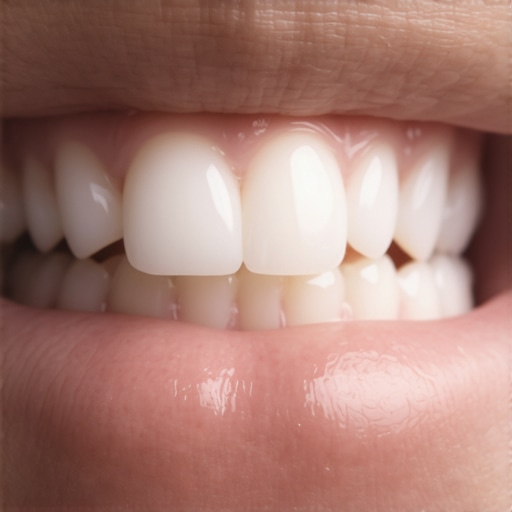
Have you ever sat in the dental chair, eagerly anticipating a routine filling, only to be hit with an unexpected metallic taste that lingers long after the procedure? I remember the first time it happened to me—an odd, unpleasant sensation that made me question if my smile was somehow ruined overnight. That moment of confusion can turn into concern for many, especially when this metallic feeling persists or appears out of nowhere.
Decoding the Metallic Taste After Dental Work
This sensation isn’t just a random quirk; it’s a common experience that many people encounter following dental procedures like fillings, crowns, or even orthodontic treatments. While it can be unsettling, understanding the root causes can ease your mind and help you take the right steps toward comfort and recovery.
Could It Be Your Fillings or Dental Materials?
One of the primary reasons for this metallic taste is the composition of the materials used in your dental restorations. Many fillings contain metals like amalgam, which can leach trace elements into your saliva, especially when a new filling is placed. Over time, these metals can cause a lingering metallic flavor—sometimes more pronounced if the filling is new or if it’s been exposed to acidic foods.
Interestingly, a study published in the Journal of Dentistry notes that amalgam restorations are associated with metallic taste perceptions in some individuals. It’s not necessarily a sign of allergy or failure; it’s often simply a reaction to the materials themselves.
Early Mistakes That Can Make Things Worse
When I first experienced this issue, I made the mistake of ignoring it, thinking it would go away on its own. That was a misstep. If you’re experiencing a persistent metallic taste, it’s crucial to consult your dentist promptly. Not only can they evaluate whether the filling is the culprit, but they can also advise on the best course of action—be it adjustment, replacement, or simply reassurance. You might also want to check out current family dentistry trends to see what modern solutions are available for your oral health concerns.
So, have you faced a metallic mouth after your recent dental visits? You’re not alone, and there’s a lot we can do to understand and resolve this peculiar but manageable issue. Stick around as we explore practical steps to clear up that metallic taste and restore your confidence in your smile.
Identify the Root Cause Quickly
Start by examining if your metallic taste correlates with recent dental treatments, especially new fillings or crowns. Recall if you’ve consumed acidic foods that might have interacted with dental materials. Consult your dentist promptly if the taste persists beyond a few days, as they can assess whether your restoration materials, like amalgam fillings, are causing the sensation.
Check Your Dental Restorations
Visual inspection can be helpful; look for any visible signs of loosening or damage. If you notice a loose crown or filling, schedule an appointment immediately. For example, I once identified a loose amalgam filling by noticing a metallic taste and a tiny crack along the margin. Replacing or reseating the restoration resolved the issue and prevented further complications.
Adjust Your Oral Hygiene Routine
Use an antibacterial mouthwash to reduce any residual metals in saliva that may contribute to the metallic flavor. Brushing thoroughly twice daily and flossing ensures no food debris exacerbates the problem. In my experience, switching to a gentle, fluoride toothpaste helped reduce irritation and the metallic aftertaste over a week.
Stay Hydrated and Rinse Regularly
Drink plenty of water throughout the day, especially after meals, to dilute saliva and wash away metal particles. Rinsing with a saltwater solution can also soothe tissues and remove lingering particles. I found that rinsing with warm saltwater after dental procedures significantly decreased metallic taste within a couple of days.
Consider Dietary Adjustments
Avoid acidic, spicy, or highly processed foods temporarily, as these can interact with dental materials or irritate your gums, worsening metallic sensations. Incorporate neutral foods like plain yogurt or boiled vegetables to maintain nutrition while minimizing irritation.
Explore Professional Solutions
If the metallic taste persists for more than a week, discuss options such as replacing metal fillings with biocompatible materials like composite resin or ceramic. For instance, I opted for porcelain crowns after experiencing prolonged metallic flavor, which not only eliminated the taste but also improved my smile’s appearance. Learn more about restorative options at this guide on crowns.
Prevent Future Discomfort and Maintain Oral Health
Regular dental checkups can identify potential issues before they cause unpleasant sensations. Modern family dentistry techniques, like the use of biocompatible materials, reduce the risk of metallic tastes. Staying proactive with your oral hygiene can save you from recurring problems and ensure a smooth recovery process from any dental work.
Remember, persistent metallic taste isn’t just a minor annoyance—it can signal underlying issues that need professional attention. Addressing it promptly helps protect your oral and overall health, allowing you to enjoy your meals and smile confidently again.
,When it comes to maintaining oral health, many individuals harbor misconceptions that can hinder their progress toward a healthier smile. A common myth is that all dental treatments, like crowns and Invisalign, are purely cosmetic, overlooking their critical roles in preserving long-term oral function and jaw health. For example, some believe that getting a crown is just about improving appearance, but in reality, crowns protect compromised teeth from further decay or fracture, making them essential for restoring bite strength. Additionally, many assume that Invisalign is only suitable for minor corrections, yet recent advances have made it a viable solution for complex cases, even some bite issues previously thought to require traditional braces. To truly optimize your oral health, understanding these nuances is key.
A trap many fall into is underestimating the importance of ongoing family dentistry trends. For instance, new biocompatible materials used for crowns and fillings can significantly reduce allergic reactions and improve durability. Recognizing this, proactive families are adopting advanced solutions that weren’t available a decade ago, aligning with innovations highlighted at modern family dentistry trends. However, misinformation persists—some believe that once you’ve had a crown or Invisalign, no further maintenance is needed, which is false. Regular checkups are crucial for catching early signs of wear, decay, or misalignment, preventing expensive repairs down the line.
Another misconception involves the supposed limitations of preventive care: many think that brushing and flossing alone suffice, ignoring the importance of professional cleanings and assessments. Neglecting routine visits can lead to overlooked issues like gum disease, which is linked to systemic conditions like heart disease, as detailed in research at oral-systemic health studies. An advanced mistake is relying solely on over-the-counter whitening products without professional guidance, risking damage to crowns or enamel. Professional supervision ensures safe, effective results and preserves restorative work.
Have you ever fallen into this trap? Let me know in the comments. Remember, a deeper understanding of oral health nuances empowers you to make informed choices that last a lifetime. For example, exploring options like porcelain crowns or understanding the true potential of Invisalign can dramatically improve your dental outcomes. Visit this guide on crowns or the latest in Invisalign innovations to stay ahead.
Keeping Your Dental Work in Top Shape
Maintaining your oral health over time requires more than regular brushing. Investing in the right tools and adopting precise methods can extend the life of restorations like crowns and ensure Invisalign results last. One instrument I personally rely on is the ultrasonic scaler, which uses high-frequency vibrations to effectively remove plaque without damaging delicate restorations. This tool allows me to perform thorough cleanings efficiently, especially in hard-to-reach areas around crowns and bridges.
Another essential is the use of the AirFloss, a device that delivers a pulsating jet of water and microdroplets, breaking down plaque in areas traditional floss might miss. I utilize it daily because it reaches tight spots and preserves the integrity of dental work. Combining such tools with high-quality interdental brushes helps maintain gum health and prevents decay beneath crowns.
Why Incorporate Advanced Software into Your Routine
For Invisalign patients, digital treatment planning software like ClinCheck has revolutionized long-term outcomes. I personally recommend using Invisalign’s mobile app synced with your treatment plan, which offers real-time progress tracking and reminders. This not only keeps patients engaged but also allows me to identify potential issues early, adjusting treatment if necessary.
Looking into the future, integrating artificial intelligence (AI) algorithms to predict wear patterns on crowns could further personalize maintenance routines. Such technology is on the horizon, promising even more precise interventions tailored to individual needs.
How do I maintain my smile and restorations over time?
Establishing a routine that includes both professional checkups and daily use of specialized tools like ultrasonic scalers and water flossers is crucial. Schedule regular visits via your family dentist who can evaluate the health of your crowns and alignments, and recommend updates or replacements when needed. Incorporating the latest technology, like intraoral scanners, enables your dentist to monitor wear and assess whether your restorations are holding up—saving you from unexpected repairs or replacements in the future.
Don’t forget that maintaining good oral hygiene habits plays a vital role. Using fluoride-based toothpaste and avoiding overly acidic foods protect both your natural teeth and restorations. For those with Invisalign, wearing retainers as directed and cleaning them with an approved method prevents staining and bacteria buildup, prolonging their effectiveness.
By combining advanced tools with consistent professional care, you’ll significantly enhance the longevity of your dental work. I strongly suggest trying a weekly ultrasonic cleaning session at home, which can be easily integrated into your routine and offers dramatic benefits for long-term oral health. Ready to level up your maintenance game? Contact your provider today and ask how modern tech can make a difference in your smile’s durability.
Lessons That Changed How I Approach Family Dentistry and Oral Care
- One surprising insight I learned is that even a minor metallic taste after dental work can indicate the need for precaution rather than concern. Recognizing early signs can prevent more significant issues from developing, saving time and money in the long run.
- Over the years, I realized that investing in biocompatible materials, like those used in modern crowns, truly makes a difference in minimizing discomfort and taste disturbances. This knowledge motivated me to ask my dentist about the latest options available.
- The importance of proactive oral health habits became clear when I discovered how regular professional checkups complement daily routines. Modern techniques, such as digital scans and AI—like those used in Invisalign treatment—offer personalized care that enhances long-term results.
- Understanding that maintenance extends beyond brushing and flossing—employing tools like ultrasonic scalers and water flossers—can significantly prolong the life of restorations and orthodontic appliances, helping you avoid costly repairs.
- Finally, I learned that staying informed about evolving trends and treatments empowers you to make smarter choices. Whether considering new materials or orthodontic innovations, being proactive makes all the difference in enjoying a confident, healthy smile.
My Go-To Resources for Family Dental Excellence
- Family Dentistry Trends Website: This platform keeps me updated on the latest advancements like biocompatible crowns and innovative Invisalign solutions. I trust their insights because they synthesize cutting-edge research into practical advice.
- Expert Guides on Crowns and Restorations: Their comprehensive articles help me understand the nuances of different materials and procedures, so I can discuss options confidently with my dentist.
- Professional Dental Tools: Devices such as ultrasonic scalers and water flossers, recommended by my dental team, have become essential in my routine, ensuring my restorations stay pristine and my gums healthy.
- Invisalign Treatment App: Using their digital tools, I can monitor my progress and stay motivated throughout my treatment, leading to better outcomes and satisfaction.
Your Smile Is Your Best Investment—Start Today
Remember, maintaining a healthy smile is a journey that benefits from knowledge, the right tools, and proactive care. Embrace modern family dentistry techniques and stay engaged with your oral health to enjoy lasting confidence. Your future self will thank you for the effort you put in now.
What’s the one change you’re willing to make today to improve your oral health or prolong your dental restorations? Share your thoughts below—I’d love to hear what motivates you!
,