
The Move to Keep Your Temporary Crown from Popping Off
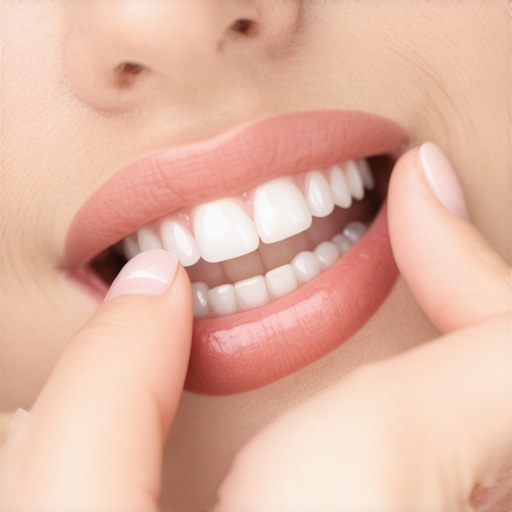
It happened to me during dinner—my temporary crown suddenly popped off right as I was about to take a bite of my favorite steak. Talk about a moment of panic! I was embarrassed and frustrated, thinking, “Why is this happening now?” That lightbulb moment made me realize just how delicate those little bridges are and how important it is to know the tricks for keeping them secure. If you’ve ever faced the fear of a crown falling off at the worst possible time, you’re not alone. Today, I’m going to share my personal experience and practical tips to ensure your temporary crown stays put until your next dental visit.
Why Temporary Crowns Are More Fragile Than You Think
Temporary crowns are a crucial part of the restorative process, acting as placeholders while your permanent crown is being made. But because they’re often made from less durable materials and are not bonded as permanently, they can be surprisingly delicate. One careless sip of coffee, a crunchy snack, or even a sudden laugh can dislodge them. Early in my journey, I made the mistake of ignoring that little piece of advice my dentist gave me about avoiding sticky or hard foods. That oversight almost meant a second emergency trip! The key is understanding the risks and taking deliberate steps to prevent mishaps.
What Skeptics Often Overlook: Are These Tips Really Necessary?
I used to think, “It’s just a temporary—how fragile can it be?” But after experiencing that unwelcome surprise, I realized that the effort to protect my crown was worth it. Many dismiss these precautions as overkill, but a loose or lost crown can extend your dental treatment and increase costs. Trust me, taking simple precautions can save you a lot of discomfort and hassle. If you’re skeptical, consider this: studies show that unplanned dental repairs are not just uncomfortable but can also impact your overall oral health (source: [Family Dentist Pro](https://familydentistpro.com/why-crowns-are-a-game-changer-in-restorative-dentistry)). Now that you know why it pays to be proactive, let’s explore how to keep that temp crown firmly in place.
Are you ready to learn the practical tips that can save your smile and your day? Great, because avoiding the embarrassment and discomfort of a popped-off crown is easier than you think once you know what to do.
Handle with Care Right After Installation
Immediately following your appointment, treat your temporary crown like a fragile glass ornament. I remember accidentally biting into a crispy chip just hours after my procedure, which dislodged the crown. To prevent this, avoid chewing on that side and stick to soft foods for the first 24 hours. This is similar to how you wouldn’t jostle a freshly set plaster sculpture—gentle handling preserves its integrity.
Optimize Your Daily Oral Hygiene Routine
Brush and floss carefully around the crown without applying excessive pressure. I used a soft-bristled toothbrush and gentle strokes, much like petting a shy kitten. When flossing, slide it gently under the crown to remove plaque without pulling or tugging, which could loosen the temporary. Regular cleaning is essential to prevent decay and keep the crown glued tightly, akin to maintaining the adhesion of a well-placed sticker.
Select Foods Wisely
Choose your meals wisely — stick to creamy yogurts, smoothies, and mashed potatoes, avoiding hard, sticky, or chewy foods like caramel or nuts. Once, I tried a sticky caramel, and it nearly pulled my crown loose like a faulty Velcro. Think of your crown as a delicate LEGO piece; hard or sticky foods are like forcing it into a wrong slot—it might dislodge or break.
Limit Harmful Habits
Refrain from habits such as chewing ice or biting on pens, which are akin to using your teeth as tools. I caught myself crunching ice one day and felt a sharp jolt—my crown almost popped off. These habits exert unnecessary stress on the temporary, risking loosening or falling out. Addressing this is like training yourself to use a screwdriver instead of your teeth—ensuring longevity and safety.
Use Protective Measures When Necessary
Consider wearing a mouthguard if you’re engaged in sports or grinding your teeth at night. I wore a simple boil-and-bite nightguard during a camping trip, which prevented damage from accidental biting or impact. This is comparable to padding for sports equipment—extra protection reduces the risk of dislodging the crown.
Recognize Warning Signs and Act Quickly
If you notice the crown feels loose, is causing discomfort, or has partially fallen off, don’t delay visiting your dentist. I experienced a slightly dislodged crown that I ignored until it caused a sharp pain—waiting made the problem worse. Think of it like a leaking pipe; addressing the issue early prevents water damage, just as early dental intervention prevents further damage or infection.
Schedule Regular Post-Procedure Checkups
Routine appointments allow your dentist to assess the crown’s stability and your overall oral health. I scheduled an early follow-up, which confirmed my crown was secure. Regular visits are like routine car maintenance—they keep everything in optimal working order and prevent surprises down the road.
Many people believe they understand the basics of oral health, but in practice, common misconceptions and overlooked details can undermine their efforts. For instance, a widespread myth is that daily brushing alone suffices to prevent all dental issues. In reality, neglecting flossing and professional cleanings can lead to plaque buildup and gum disease, even if your teeth look clean. Similarly, with Invisalign, many assume that straightening teeth is merely an aesthetic choice. However, advanced care requires understanding the importance of maintaining and monitor aligners properly to prevent cavities and gum inflammation around attachments.
Advanced Mistakes That Could Cost You More
For example, some patients neglect to replace their aligners’s cleaning trays regularly, leading to bacteria growth, which can cause bad odor or oral infections. When it comes to crowns, many get tempted to skip routine checkups, assuming they are ‘permanent.’ Yet, failure to detect early signs of decay or crown failure can result in more extensive and costly procedures down the line. By the way, one often-overlooked nuance is that not all crowns are equally suited for every location in your mouth; the material choice impacts longevity and compatibility with your bite—something a knowledgeable dentist can advise you on. For example, porcelain crowns are excellent for front teeth, but for molars, zirconia might be more durable.
Why Are Some Claims About Oral Health Misleading?
Many industry marketers hype specific products or treatments as miracle solutions. Take the misconception that whitening agents or over-the-counter kits can replace professional whitening. Research shows that subpar products can sometimes damage tooth enamel or cause sensitivity if misused (source: [American Dental Association](https://www.ada.org)). Also, there’s a common belief that Invisalign is only for minor corrections. In my experience, with proper planning, it can address complex cases effectively—yet many still underestimate its capabilities. So, to make informed decisions, always consult expert advice rather than falling for exaggerated claims or quick fixes. For further insights on choosing the right crown, check out [this comprehensive guide](https://familydentistpro.com/choosing-the-right-crown-expert-advice-for-long-lasting-results). Remember, your oral health is a nuanced field where minor oversights can lead to major setbacks. Have you ever fallen into this trap? Let me know in the comments.Maintaining your dental work, including crowns and Invisalign, requires more than just regular brushing. Investing in the right tools and following expert methods can significantly prolong their lifespan and ensure optimal oral health. One of my favorite tools is a water flosser, like the Waterpik, which I personally use daily. Its pulsating stream effortlessly removes plaque from hard-to-reach areas around crowns and aligners, reducing the risk of decay and gum disease. Studies highlight that water flossers can improve gum health more effectively than traditional flossing for some users, especially those with limited dexterity (source: [Family Dentist Pro](https://familydentistpro.com/top-oral-health-tips-for-your-familys-bright-smiles)). Make sure to choose tips specifically designed for delicate periodontal tissue to avoid irritation. For Invisalign wearers, maintaining your aligners clean is crucial to prevent staining and bacteria buildup. I recommend using a gentle, non-abrasive brushing method combined with a denture cleaner or Invisalign cleaning crystals. This approach keeps trays clear and odor-free, which is vital for comfort and confidence.
The Hidden Lessons I Learned About Temporary Crowns and Oral Care
One of my most eye-opening lessons was realizing that the smallest habits can make or break your dental work. I used to dismiss the importance of meticulous care during the temporary phase, but after experiencing a crown popping off during a meal, I understood that consistency and attention to detail are everything. My mistake was underestimating how vulnerable these dental fixtures truly are, which taught me to treat every step with respect and caution.
Another insight is the value of proactive communication with your dentist. I once ignored a slight looseness, thinking it was nothing, only to face a bigger problem later. Regular checkups and honest dialogue can catch potential issues early, saving you discomfort and money. Learning to listen to my body’s signals and acting promptly was a game-changer in maintaining my smile’s integrity.
Lastly, I discovered that the mental approach toward temporary crowns affects your care routine. Viewing it as a fragile but manageable part of your journey helped me stay vigilant. Embracing this mindset empowered me to adopt better habits, from choosing soft foods to gentle flossing, ultimately preserving my dental investment and boosting my confidence.
Tools and Resources That Changed My Approach
My go-to resource is Family Dentist Pro’s guide on crowns, which offers detailed insights on longevity and care techniques. I also trust the top oral health tips for families to stay updated on best practices for maintaining dental work. For reliable tools, I rely on a soft-bristled toothbrush designed for sensitive areas and a gentle water flosser from Family Dentist Pro’s recommended list. These resources have been instrumental in transforming my daily oral hygiene routine into a safeguard for my smile’s future.
Your Smile’s Next Chapter Starts Now
Remember, caring for your temporary crown is more than a quick fix—it’s an investment in your confidence and overall health. Embrace these lessons, utilize trusted tools, and don’t hesitate to consult your dentist for personalized guidance. Your journey to a resilient, radiant smile is within reach.
What small habit have you recently changed to better care for your dental work? Share your experience below — your story might inspire someone else to take better care of their smile!