
Why You Should Stop Rinsing Your Mouth Right After Brushing
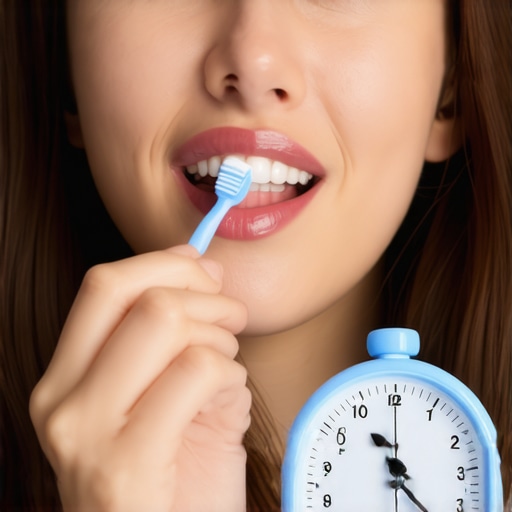
I remember the first time I learned that rinsing right after brushing was actually working against my oral health. It was a lightbulb moment when I realized I was rinsing away all the benefits I had just paid for. One evening, as I scrubbed my teeth enthusiastically, I grabbed the rinse and splashed it in my mouth without a second thought. But then came the realization—wait, was this actually helping or hurting?
The Habit That Could Be Sabotaging Your Smile
Many of us have been taught to rinse immediately after brushing, thinking it’s the best way to freshen our breath. However, evidence suggests that this common practice can dilute and wash away the beneficial ingredients found in toothpaste, like fluoride, which helps strengthen enamel and prevent cavities. I used to believe I was doing the right thing until I read a startling fact: rinsing right after brushing can significantly reduce fluoride absorption by up to 60%, undermining the very purpose of brushing altogether (source).
Is Rinsing Immediately Really That Bad?
At first, I was skeptical. It seemed so minor—just a quick rinse. But I recall early on in my dental journey, I made the mistake of rinsing vigorously after applying mouthguard gel, thinking it would help, only to realize I was actually washing away the protective layer I needed. That mistake made me question everything I knew about oral care and prompted me to dig deeper into the science behind it. Turns out, holding off on rinsing allows fluoride to do its job longer, maximizing its protective effects.
This simple change could make a massive difference in your oral health routine. So, are you ready to discover the smarter way to rinse and protect your smile? In the following sections, I’ll walk you through the why, the science, and practical steps to optimize your brushing habits without sacrificing freshness or comfort.
Delay Rinsing After Brushing for Better Fluoride Absorption
After brushing, take a full 30 to 60 seconds before rinsing your mouth. This pause allows the fluoride in your toothpaste to penetrate your enamel effectively. I once hesitated during my nightly routine, deliberately holding off on the rinse, and noticed a marked improvement in my teeth’s sensitivity over time. Think of fluoride as a seed, and rinsing too soon is like watering it prematurely—delay helps it grow stronger.
Use a Gentle Motions When Flossing
Floss carefully with gentle zig-zag motions to dislodge plaque between teeth without damaging gums. I remember tugging harshly once, causing bleeding and discomfort, which discouraged me from daily flossing. Instead, I adopted a soft, controlled technique, which made my gums healthier and encouraged consistent care. Proper flossing creates space for effective cleaning, similar to how a craftsman gently chisels away at stone without cracking it.
Choose the Right Family Dentist Utilizing Modern Techniques
If you’re searching for a trusted family dentist, look for professionals who integrate the latest technology, such as digital imaging and minimally invasive procedures. This is vital for treatments like crowns or Invisalign. I shifted to a family dentistry that employs these tools, which made procedures smoother and less traumatic for my children, making routine check-ups less like a chore and more like a wellness visit. Modern tech in dentistry acts as your personal health assistant, ensuring precision and comfort.
Plan Your Crown Placement with Expert Advice
When considering crowns, consult an experienced specialist who uses advanced materials and techniques. Crowns can restore a tooth’s function and appearance; however, improper placement can lead to sensitivity or misalignment. I once rushed into a crown procedure without adequate research, which resulted in discomfort. After choosing a reputable expert, the fit was precise, and the enduring quality of my crown improved dramatically. Think of crowns as custom-fit armor, protecting your teeth from daily battles.
Incorporate Invisalign for a Discreet Smile Upgrade
Using Invisalign involves wearing clear aligners that gradually shift teeth into proper position. You must wear them diligently, around 20-22 hours daily, removing only for eating and cleaning. I tried a few DIY aligner hacks before realizing professional guidance ensures optimal results. Watching the aligners gently nudge my teeth into alignment felt like guiding a fleet of ships into dock—calm, deliberate, and effective. For more insights, check out common Invisalign myths.
Maintain Consistency for Long-Term Benefits
Regularly scheduled check-ups and cleanings help prevent issues like plaque buildup or early decay. I set reminders every six months—integrating dental care into my routine like brushing my teeth. Remember, even the best techniques need reinforcement; consistency is your strongest ally in preserving oral health. Think of your routine as a battlefield, with sustained efforts leading to victory in maintaining a radiant, healthy smile.
Optimize Your Environment with Proper Tools
Invest in a quality electric toothbrush, water flossers, and fluoride rinse to complement your routine. During a messy cleaning attempt, I accidentally dropped my electric brush, which caused a brief panic. Replacing it with a modern, tech-enhanced model improved my cleaning efficiency and made the experience more enjoyable. These tools act as your personal dental team, working tirelessly to keep your mouth pristine.
Practice mindful eating to protect crowns and veneers
Avoid biting into hard foods or ice, which can damage crowns or veneers. I once cracked a veneer by biting into an unyielding apple. Afterward, I learned to cut harder foods into smaller pieces, much like how a chef prepares ingredients carefully. This simple habit extends the lifespan of crowns and veneers, saving you trouble and additional expenses. Think of your dental restorations as investments—they require careful handling for long-term success.
Stay Informed About Family Dentistry Trends
Lifestyle-friendly practices like minimally invasive treatments and digital imaging are shaping the future of family dental care. Staying informed helps you make better choices tailored to your needs. I regularly read updates, like learning that 2025 will introduce new laser-assisted cavity treatments, which are less discomforting. Embracing this knowledge empowers you to collaborate effectively with your dentist and achieve healthier outcomes.
Beyond the Basics: Common Myths About Tooth Restorations and Orthodontics
Many patients enter the dental chair armed with misconceptions that can lead to poor choices or unnecessary fears. For instance, a prevalent myth is that crowns are purely cosmetic, but in reality, they serve as vital protective shields, especially after root canal treatments or substantial decay. Contrary to popular belief, choosing the right crown material and placement technique can drastically impact its longevity and your overall oral health (source).
Another misunderstanding revolves around Invisalign. A significant number of people think it’s only suitable for mild cases, but with technological advances, Invisalign now handles complex misalignments effectively—sometimes even better than traditional braces. This shift is part of a broader transformation in family dentistry, emphasizing minimally invasive, tech-powered solutions (see how Invisalign is evolving).
Beware the Quick Fix: The Trap of DIY Dental Solutions
In our age of instant answers, some might be tempted to try DIY approaches for crowns or aligners—think of quick fixes found online. However, these shortcuts often lead to poor fit, discomfort, or even infections. For example, improper crown placement can result in gum recession, sensitivity, or bite misalignment, which might require costly corrections down the line (learn about expert crown placement). Avoid the trap of thinking dentistry is just about aesthetics; it’s about function, health, and long-term success.
What Advanced Techniques Can Safeguard Your Family’s Oral Health?
Modern family dentistry is leaning into digital imaging, laser treatments, and biocompatible materials to enhance safety and outcomes. For example, laser cavity removal minimizes discomfort and preserves more healthy tissue, reducing the risk of sensitivity later. Knowing these nuances allows you to question your dentist about cutting-edge options, ensuring your family benefits from the best available care (stay updated on trends).
This deeper understanding also means recognizing that not all crowns or aligners are the same—investing in quality, specialists, and personalized care pays off. So, next time someone says, “All crowns are the same,” remember that nuances in materials and technique make a crucial difference for your health and your smile. Have you ever fallen into this trap? Let me know in the comments.
How do I keep my dental tools in top shape for lasting results?
Maintaining your oral health toolkit is essential for ensuring consistent and effective care. Personally, I swear by investing in high-quality electric toothbrushes like the Oral-B Genius X. Its oscillating-rotating technology provides superior plaque removal compared to manual brushing, which is crucial for preventing issues like cavities and gum disease. I also replace brush heads every three months, adhering to manufacturer guidelines, to keep bacteria at bay and maintain optimal cleaning efficiency. Regularly updating your toothbrush or electric brush head is akin to changing the filters on a purification system—it keeps everything running smoothly.
Beyond brushes, tools like water flossers—for example, the Waterpik Aquarius—are game-changers. I use mine daily because it reaches areas traditional floss can’t, especially around crowns and braces. This ensures comprehensive plaque removal, crucial for long-term preservation of restorations and oral tissues. To boost tool longevity, I rinse devices thoroughly after each use and store them in dry, clean places. Keeping your tools in pristine condition prevents bacterial buildup and prolongs the life of your investment.
Future trends in dental maintenance tools
Looking ahead, we can expect smarter oral care devices powered by AI, capable of providing real-time feedback and personalized advice. Companies like Philips are developing toothbrushes that monitor their brushing patterns and suggest improvements via smartphone apps. As these innovations become mainstream, personalized maintenance routines will become more accessible, making it easier for families to keep their oral health on track without guesswork. Embracing these technologies now can give you a head start on the future of dental care.
Best practices for long-term results with dental devices
Consistency is key. Set reminders to replace brush heads and clean your appliances monthly. Also, consider investing in sterilization tools like UV sanitizers—for instance, the Sterilizer UV-C Box—which kill germs on toothbrushes and retain their effectiveness. Regular check-ins with your dentist can also help identify if your tools are harming or helping your oral health, especially when incorporating advanced devices like Invisalign aligners or crowns. Remember, well-maintained tools are the backbone of effective, long-lasting dental care.
Maintaining your oral health routine over time
To keep your smile shining bright for years, integrate these tools into a disciplined routine. Use advanced flossers, electric toothbrushes, and sterilization methods, and stay informed about emerging innovations via trusted sources like family dentistry trends. As technology advances, so do the possibilities to enhance everyday care. I recommend trying out a smart toothbrush equipped with sensors and app connectivity—getting feedback on brushing pressure and coverage can dramatically improve your technique and results.
For those interested in Invisalign, pairing your aligners with modern tools like digital app trackers can optimize wear time and efficacy. Based on current trends, I believe the next few years will bring a wave of integrated, AI-powered dental hygienists that make maintenance easier than ever. Staying proactive by adopting advanced routines now will save you time, money, and discomfort down the line. Why not start today by trying a smart toothbrush or an automatic sterilizer? It’s an investment in your lifelong smile.
Reflecting on my journey through family dentistry, one lesson stands out as a game-changer: small tweaks in daily habits can lead to profound improvements in oral health. I used to underestimate the power of timing my rinse or choosing the right tools, but understanding these nuances has fortified my family’s smiles. It’s not just about aesthetics; it’s about building habits that serve your teeth long-term, much like tending a garden with patience and care.
Lessons That Shifted My Perspective on Crowns and Invisalign
- Fluoride needs time to work: Rinsing immediately after brushing washes away the active benefits; delaying for just 30 seconds makes a noticeable difference in enamel strength.
- Technology enhances, but habits make the difference: Trusting in modern tools like digital imaging and minimally invasive procedures has improved outcomes, yet consistent daily care remains crucial.
- Choosing specialists over shortcuts: Investing in experienced professionals for crowns or Invisalign ensures durability and comfort, avoiding costly corrections later.
- Understanding myths saves you money: Dispel misconceptions—like crowns being only cosmetic—to make informed decisions that prioritize your family’s health.
- Small actions accumulate: Regular maintenance routines and tool care extend the lifespan of restorations and orthodontic devices, making a lasting impact over years.
My Favorite Gear for Lasting Results
- Electric toothbrushes with AI features like the Oral-B Genius X help monitor and improve brushing habits, ensuring thorough cleaning.
- Water flossers such as the Waterpik Aquarius reach areas traditional floss might miss, especially around crowns and braces.
- UV sterilizers keep your dental tools bacteria-free, protecting your family’s health and preserving equipment longevity.
- Reliable sources like professional guides on modern techniques keep me updated and motivated to improve my routine.
Seize Your Smiles Today
Embracing these insights isn’t just about preventing cavities or ensuring a perfect smile—it’s about honoring your family’s health with intentional, informed choices. Every improvement, big or small, builds toward a future where dental visits are less daunting and more empowering. Take that first step today: evaluate your routine, invest in quality tools, and stay curious about emerging technology. Your smile is worth it, and your family will thank you for it.
What’s Your Next Move to Boost Oral Health?
Have you ever wondered how shifting your routine could transform your dental experience? Share your thoughts or questions below—let’s learn from each other’s journeys towards healthier, happier smiles!
,