
The Hidden Bacteria Hiding in Your Kid’s Sippy Cup
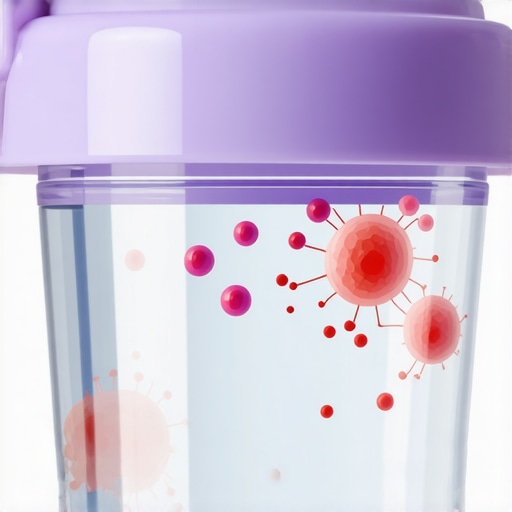
I’ll never forget the moment I discovered the tiny, invisible threat hiding in my child’s favorite sippy cup. It was a typical morning, and I reached for that beloved cup only to notice a strange smell and a slight film coating the inside. That lightbulb moment hit me hard—little did I know, this seemingly harmless container was a breeding ground for bacteria that could affect my child’s health and my peace of mind.
Why Your Child’s Sippy Cup Might Be More Dangerous Than You Think
Every parent knows the struggle of keeping their little ones’ teeth healthy amidst busy schedules and endless distractions. But what often slips under the radar is the hidden bacteria lurking in items they use daily—like their sippy cups. These containers are perfect environments for bacteria to grow, especially if not cleaned thoroughly and regularly. Studies show that bacteria such as E. coli and salmonella can survive in moist environments for days, posing risks of infections and dental issues down the line. The good news? With a few simple habits, you can drastically reduce this hidden threat and safeguard your child’s health.
Could Your Child’s Sippy Cup Be Fueling Bacterial Growth?
I was guilty of a common mistake early on—washing the cup quickly and only occasionally soaking it in hot water. That oversight almost cost me, as I didn’t realize that bacteria could hide in tiny crevices and residue left behind. It’s easy to fall into this trap, but prevention is everything. Now, I make it a point to deep-clean all children’s drinkware daily, ensuring that bacteria have nowhere to hide. For more tips on maintaining your family’s oral health, visit this resource.
In this post, we’ll explore how bacteria infect these everyday items, why they matter so much, and exactly what steps you can take to keep your child’s sippy cup safe and your family healthier. Ready to take control of this hidden danger? Let’s get started.
Thorough Disassembly and Inspection
Start by taking apart all parts of the sippy cup—lids, valves, straws, and bodies. In my experience, I once found mold in the small rubber valve after neglecting the disassembly. Carefully inspect for any cracks or residual residue that could harbor bacteria. This detailed step ensures no hidden microbes escape your cleaning routine.
Hot Water and Detergent Cleaning
Submerge each part in hot, soapy water, scrubbing with a small brush or toothbrush. I remember the first time I did this, my hands got cold, and I realized how much grime was hiding in tiny crevices. Use a non-abrasive brush to reach into nooks—just as you would gently clean around a crown to avoid damage. This process effectively breaks down biofilms where bacteria cling the hardest.
Sanitizing Techniques
Boil the parts or use a sterilizer designed for baby products. Alternatively, place the components in a boiling water pot for at least five minutes. I once sanitized the parts in my kitchen using boiling water, which took a bit of effort, but it left the pieces visibly cleaner and smelling fresh. This step kills remaining bacteria that soap alone might miss.
Drying and Reassembly
Allow all components to air dry completely on a clean towel or drying rack. Moisture promotes bacterial growth, so neglecting thorough drying is a common mistake. I learned this firsthand when I hurriedly reassembled the cup, only to find mold growing within a day. Ensuring thorough drying creates a dry environment hostile to bacteria.
Regular Replacement of Parts
Replace valves and straws periodically, ideally every 2-3 months. In my routine, I kept track with a calendar reminder, replacing parts before they showed signs of wear, which prevented buildup. Worn parts are more prone to harboring bacteria due to cracks and degradation, making replacement essential.
By integrating these steps into your daily cleaning routine, you not only eliminate bacteria but also extend the lifespan of the sippy cup. Keep in mind that good oral hygiene practices start early and involve maintaining all your child’s essentials thoroughly. Remember, consistency is key to a healthier, bacteria-free environment for your little one.
Many people believe that maintaining good oral health is simply about brushing twice a day and visiting the dentist once a year. However, this oversimplification overlooks nuanced pitfalls that can undermine even the most disciplined routines. For example, a common misconception is that all dental restorations, such as crowns, are permanent and maintenance-free. In reality, improper care and neglecting advanced considerations can lead to premature failure of restorations, costing time and money—and potentially damaging your oral health.
Are You Falling for Overgeneralized Dental Advice?
One trap many fall into is assuming that traditional methods dominate modern dentistry. While classic brushing and flossing remain essential, new research highlights that personalized oral hygiene plans—taking into account individual risk factors—are far more effective. For example, patients with certain genetic predispositions or dry mouth conditions benefit significantly from tailored fluoride treatments and specialized products. Relying solely on generic advice risks missing these critical nuances, thereby reducing the effectiveness of your dental care plan. For deeper insights into customizing your routine, visit this resource.
Similarly, many assume that Invisalign aligners are only aesthetic solutions, but emerging evidence shows they also promote healthier gum tissue when used correctly. Proper patient education on wear schedules, combined with regular check-ups, maximizes benefits and minimizes risks such as uneven tooth movement or retention of plaque. Recognizing these advanced factors ensures you’re leveraging the full potential of modern orthodontics.
Common Mistakes That Sabotage Crowning Success
Another area where misconceptions prevail involves dental crowns. A popular myth suggests that once placed, crowns are invulnerable to damage. On the contrary, neglecting proper oral hygiene and gritting habits can cause decay at the margins or loosening of the restoration. Additionally, some believe that all crowns are made equally durable. In fact, material choice—such as porcelain, zirconia, or gold—affects not only longevity but also how well the crown withstands biting forces and staining. Consulting with a skilled family dentist can ensure you select the right crown type tailored to your lifestyle, which you can learn more about at this guide.
Advanced digital imaging and 3D printing are revolutionizing how restorations are customized, enhancing fit and function. Ignoring these innovations, however, leaves patients vulnerable to subpar results and repeated procedures. Recognizing the importance of selecting providers proficient in these technologies can significantly improve long-term outcomes.
What Real Experts Know About Long-Term Oral Health Trends
Keeping up with the latest trends reveals that many conventional practices are evolving. For instance, minimally invasive techniques and biocompatible materials now allow preserving more natural tooth structure, reducing the need for aggressive procedures down the line. Experts also emphasize the importance of evaluating your family’s unique needs, cultural habits, and even diet to craft a truly personalized plan. Stay informed by exploring current research such as this article.
Are you aware of these hidden nuances influencing your oral health? Equipping yourself with this knowledge not only enhances your understanding but also empowers you to make smarter decisions. Remember, successful family dentistry combines cutting-edge science with personalized care—don’t let myths and misconceptions hold you back. Have you ever fallen into this trap? Let me know in the comments.
In the pursuit of optimal oral health, investing in quality tools and understanding proper maintenance routines is essential. High-grade toothbrushes with advanced bristle technology, such as those featuring vibrations or oscillations, have proven to be more effective in plaque removal. Personally, I prefer electric models like the Oral-B Genius series because they offer consistent, gentle cleaning and come with diverse brush heads tailored to specific needs, including gum care and whitening. Regular replacement of brush heads—every three months—is crucial to prevent bacterial buildup and ensure efficient cleaning. For detailed guidance on selecting the right brush, visit this resource.
Keep Your Dental Restorations in Top Shape
When it comes to crowns and implants, routine check-ups are critical to detect early signs of wear or decay. I’ve found that digital intraoral scanners, like the iTero Element, provide superior visualization of restorations during follow-up visits, helping identify micro-fractures before they develop into costly repairs. The latest materials—such as zirconia and lithium disilicate—offer exceptional durability, but they still require consistent care. My advice is to avoid sticky or hard foods that can compromise the integrity of restorations. Additionally, using interdental brushes or water flossers like the Waterpik can help maintain gum health around these restorations, preventing periodontal issues that threaten their longevity. To explore the latest in restoration technology, see this detailed article.
Future of Family Dentistry Tools
Advancements like 3D printing are revolutionizing how we approach restorations, making it faster and more precise. I predict a shift toward personalized, biocompatible materials tailored to each patient’s biology, which could further extend the lifespan of dental work. Staying abreast of these trends allows practitioners to provide more durable and aesthetic solutions, ultimately saving patients time and money. For example, the integration of AI-driven diagnostics with digital workflows enhances predictive maintenance, flagging potential issues early. Regularly updating your dental toolkit and the methods your family employs—such as proper brushing techniques or new cleaning devices—is a proactive way to keep your oral health practices effective over the years. Want to learn more about cutting-edge technology in family dentistry? Visit this insightful resource.
How do I maintain my tools and restorations over time?
Consistent cleaning and routine inspections form the backbone of long-term maintenance. For tools like brushes or water flossers, follow manufacturer guidelines—typically replacing brush heads every three months and descaling devices monthly to prevent mineral buildup. Regularly schedule professional check-ups to assess restorations; dental professionals can use diagnostic tools such as CBCT scans to monitor underlying bone health and prosthetic integrity. Incorporating daily habits like avoiding abrasive toothpaste and not using toothpicks improperly can also prolong the life of crowns, veneers, and implants. Remember, small investments in maintenance now prevent costly repairs later—aligning with the advice found in the comprehensive crown maintenance guide. Try adopting these practices today to enjoy long-lasting dental health.
The Surprising Lessons I Learned About Family Oral Care
- Trust your instincts: I discovered that even the tiniest details, like the residue inside a child’s cup, can have significant health implications, highlighting the importance of meticulous cleaning routines.
- Personal experience is invaluable: Regularly inspecting and deep-cleaning dental tools and restorations has made a noticeable difference in my family’s oral health journey, reminding me that hands-on care often surpasses generic advice.
- Stay curious about innovations: Embracing new technologies like 3D imaging and biocompatible materials has transformed our approach to long-lasting, natural-looking restorations, encouraging me to always seek better options.
- Education empowers: Learning about the real causes behind common issues, such as crown failure or Invisalign mishaps, helps me make informed decisions and avoid common pitfalls that can jeopardize dental health.
Tools That Keep Our Smiles Bright
My trusted arsenal includes electric toothbrushes with advanced bristle technology, which I find more effective for plaque removal, especially around restorations. For comprehensive care, I rely on resources like this guide to keep our routine sharp. When selecting tools like interdental brushes or water flossers, I prioritize quality and suitability for sensitive areas, ensuring longevity and health for my family’s smiles. These investments in high-quality tools have truly paid off in maintaining our dental health over the years.
Ignite Your Smile’s Potential Today
Taking charge of your family’s oral health with knowledge and the right tools isn’t just a routine—it’s a way to empower your loved ones for lifelong confidence. Don’t hesitate to explore the latest advancements in family dentistry, from innovative crowns to minimally invasive techniques, and tailor your care routines to your unique needs. Remember, your proactive steps today can prevent costly repairs tomorrow, while fostering a foundation of healthy habits. Are you ready to elevate your family’s smile game? Share your experiences or questions below, and let’s grow stronger together in oral health awareness.