
How to Choose Between a Bridge and a Dental Implant
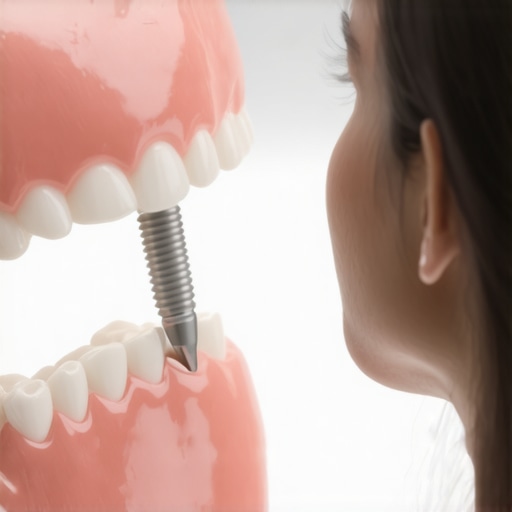
I remember the moment clearly. I was sitting in my dentist’s office, feeling a mix of confusion and overwhelm. My mind was racing, trying to weigh the pros and cons of a dental bridge versus a dental implant. The truth is, I hadn’t realized how many factors I needed to consider—cost, longevity, impact on my oral health, and even how each option would fit into my life. That lightbulb moment made me realize—this decision isn’t just about choosing a tooth replacement; it’s about ensuring my smile stays healthy and confident for years to come.
Why This Choice Matters for Your Smile and Health
Deciding between a bridge and an implant is more than a dental preference—it can affect your overall well-being. A well-informed choice can prevent future complications, save you money, and keep your smile radiant. But with so many opinions and sometimes conflicting advice, it’s easy to feel lost. Trust me, I’ve been there. Early on, I made the mistake of rushing into a solution without fully understanding the long-term implications. That oversight almost led me to unnecessary discomfort and added costs down the line.
Is One Option Really Better Than the Other?
Many people, including myself at first, assume that dental implants are the only durable and modern solution. However, this isn’t always the case. The best choice hinges on individual conditions, preferences, and lifestyle. To get to the bottom of this, we’ll explore the essential aspects that can help you decide wisely. And yes, I’ll share some insider tips I wish I knew from the start. For more insights into modern family dentistry practices, check out this article.
Curious if you’ve faced the dilemma of choosing a dental solution? Or perhaps you’re already leaning toward one but unsure if it’s the right fit? Stick around—by the end, you’ll have a clearer path forward, grounded in both expertise and real-world experience. Preparing to dive into the specifics, let’s examine what makes each option unique and how to determine what’s best for your smile’s future.
Assess Your Oral Needs Precisely
Think of your mouth as a garden; before planting new seeds or trimming, you need to know what’s thriving or dying. In my case, I scheduled a thorough exam with my dentist, who used modern scanning tools to identify the exact condition of my teeth and gums. These diagnostics are like soil tests—they reveal hidden issues like decay or gum disease that influence whether a crown or implant is the best fit. To prepare, I made detailed notes about my symptoms and past dental experiences, ensuring I didn’t overlook any crucial details during the consultation.
Identify the Core Differences Between Options
Understand Material and Longevity
Picture crowns and implants as different types of car parts—one is a tire, designed to last years on a well-maintained vehicle, while the other is a new engine component made from durable materials. I learned that crowns, often made from porcelain or ceramic, are excellent for restoring a damaged tooth and *can* last 10-15 years with proper care. Implants, on the other hand, are like anchors—permanent fixtures integrated into the jawbone, capable of lasting decades if maintained. Knowing these distinctions helped me weigh the investment versus lifespan.
Consider Your Lifestyle and Functionality
Imagine wearing a pair of shoes suitable for hiking versus dress shoes for a formal event. In my case, I evaluated daily habits like chewing habits, sports participation, and aesthetic preferences. For example, I noticed that a bridge might feel more natural for occasional chewing, but would require me to avoid sticky foods to prevent damage. Conversely, implants offered a sturdy solution with less maintenance but involved a longer healing time. This introspection is like trying on different shoes—what fits comfortably and suits your daily routine?
Gather Practical Insights Through Direct Experience
During my research, I visited my local family dentist, and we went beyond textbooks to see real-life cases. She showed me a before-and-after Invisalign photos that demonstrated how modern aligners can improve not just appearance but oral health. Seeing the results firsthand was a game-changer—they had a real impact on my decision-making. Plus, I asked about maintenance routines, learning that regular cleanings could prolong the lifespan of crowns and implants, much like routine oil changes keep a car running smoothly. Remember, hands-on experience coupled with expert advice is your strongest tool.
Evaluate Costs and Long-Term Investments
Financial considerations are like budgeting for a home renovation—initial costs are just the start. When I compared prices, I discovered some clinics offer financing options or package deals that include check-ups and cleanings. I also considered the chance of future repairs—crowns might need replacing in 15 years, whereas implants could last a lifetime with meticulous hygiene. This step is akin to evaluating whether a new roof or gutter system offers better long-term value. Consulting multiple providers and reading reviews helped me make an informed choice without surprises later.
Test Your Readiness to Commit
It’s essential to align your decision with your personal comfort and health goals. I reflected on my willingness to undergo procedures: am I prepared for the healing time of implants, or do I prefer a quicker fix with a crown? Practical preparation like planning for downtime and maintaining oral hygiene was critical. I also discussed with my dentist about future modifications, similar to how homeowners plan extensions. This mental check is like testing the waters—you want to be confident that your choice fits your lifestyle in the long run.
When it comes to dental care, many believe they know the essentials. However, beneath the surface lie common misconceptions and nuanced pitfalls that can jeopardize your oral health. Let’s peel back those layers and examine what most people get wrong, so you can make smarter decisions for your smile.
Myth: Invisalign is Just a Cosmetic Solution
Everyone talks about Invisalign as a mere aesthetic enhancement, but that’s a misconception. In reality, Invisalign’s innovations extend beyond beauty; they can significantly improve your bite alignment and overall oral function. However, some overlook the importance of proper attachment placement and patient compliance, leading to extended treatment times or subpar results. A study published in the Journal of Dental Research emphasizes that success hinges on meticulous planning and patient adherence—errors often occur when patients underestimate these nuances.
The Oops Factor: Overlooking Long-Term Maintenance
Many assume that the dental procedures like crowns or implants are ‘set and forget’ solutions. But neglecting regular follow-up visits and oral hygiene can cause deterioration or failure over time. For instance, failing to clean around a crown might lead to decay at the margins, compromising the restoration’s longevity. This is a common trap: believing that a one-time procedure absolves you of ongoing care. Proactive maintenance is crucial, and understanding this can save you thousands in future expenses.
Why You Might Be Misjudging Family Dentistry’s Role
Some think family dentistry only handles basic check-ups, but it encompasses a holistic approach to all ages, emphasizing preventive care and early intervention. It’s not just about fixing problems but preventing them. Recognizing that regular screenings can detect issues like early decay or gum disease before they escalate could be the difference between a simple filling and a root canal. Review recent trends at this article.
Making Smarter Choices with Crowns
Many underestimate the importance of selecting the right type of crown. Not all crowns are created equal, and the wrong choice can lead to aesthetic issues or wear problems. For example, porcelain-fused-to-metal crowns may cause a gray line at the gum, while entirely ceramic options offer better translucency. Additionally, placing a crown without addressing underlying issues like decay can cause future failures. Consult with an expert about the material and technique most suited to your needs, as discussed in this guide.
The Hidden Relevance of Digital Technology
Advanced digital diagnostics and CAD/CAM restorations are often underappreciated. Relying solely on traditional methods can miss subtle problems or lead to less precise restorations. Embracing these innovations can improve fit, durability, and overall satisfaction. But beware: not every dentist invests in these tools, so ask about their technology arsenal during your consultation.
Understanding these nuanced aspects ensures you’re not falling into common traps that undermine your oral health investments. Do you recognize any of these pitfalls in your dental journey? Share your experiences below. For more expert insights, visit this article or explore the latest trends at family dentistry innovations.
How Do I Maintain My Dental Work Over Time?
Keeping your dental restorations and appliances in top shape requires more than just regular brushing. I personally swear by using ultrasonic toothbrushes like the Oral-B Genius X. The sonic vibrations effectively clean plaque around crowns and implants, reaching areas traditional brushes might miss. Regular use of interdental cleaners, such as water flossers like the Waterpik Sonic-Fusion, helps remove debris that accumulates at restoration margins, preventing decay. Meanwhile, routine check-ups allow your dentist to fine-tune your maintenance routine—think of it as scheduling oil changes for your vehicle. Embracing these tools ensures your restorative work lasts decades, building on the trend of advanced dental technology aimed at enhancing durability and patient comfort.
Looking ahead, the development of smart dental devices—like app-connected toothbrushes that monitor brushing habits—is likely to make maintenance even more personalized. This integration of digital health tools will help you stay vigilant and proactive, rather than reactive, about oral health.
What Are the Best Tools to Keep Your Oral System Working?
For me, an essential tool is a high-precision oral scanner, such as the iTero Element 5D. It facilitates early detection of subtle changes around crowns and implants—detecting micro-movements or surface breakdowns before they become bigger problems. Coupled with digital charting software like Dentrix Ascend, I can track my oral health history comprehensively, allowing for proactive interventions. A recent study in the Journal of Dental Research highlights the importance of computerized diagnostic tools in extending the longevity of restorations. Try integrating these technologies into your routine, and you’ll notice how much easier it becomes to keep your smile healthy and functional for years to come.
Scaling these practices involves investing in quality tools and sticking to a regular schedule. For anyone serious about maintaining their dental health, these advanced devices aren’t just luxuries—they’re essentials that help prevent costly repairs down the line.
Practical Tips for Sustaining Oral Wellness
Beyond tools, consistent habits matter. I set a reminder to replace my toothbrush head every three months—and I opt for electric models with pressure sensors that prevent overbrushing, which can damage delicate restorations. Additionally, employing adhesive sealants on the margins of crowns can act as extra barriers against bacteria—an insider tip I learned from my dentist during routine maintenance.
In the future, I predict that personalized dental care will revolve around AI-driven diagnostics that analyze your habits and predict issues before symptoms appear. This predictive approach will revolutionize how we approach long-term oral health.
Get Inspired to Elevate Your Routine
If you haven’t yet, consider trying the tip of using a water flosser like the Waterpik Sonic-Fusion. It’s a game-changer for maintaining cleanliness around crowns and implants. Consistency is key—making these tools a part of your daily routine can greatly extend the lifespan of your dental work. Remember, investing in the right equipment and habits today means a healthier, brighter future for your smile. Your mouth will thank you for it—so why not give these tips a try now?
Lessons I Wish I Paid Attention To Earlier
- One of the biggest realizations was that every dental solution has its unique strengths and pitfalls—it’s not a one-size-fits-all. My mistake was rushing into an implant without understanding the nuances of my own oral health, which could have been avoided with thorough diagnostics.
- MI learned that trusting technology and expert advice is crucial. Relying solely on recommendations without seeing the latest digital diagnostics can lead to missed issues—embrace tools like digital scans for a proactive approach.
- Consistency trumps quick fixes. Adopting habits like regular cleanings with ultrasonic toothbrushes and water flossers made a remarkable difference, proving that daily discipline safeguards long-term investment in your smile.
Tools and Resources That Elevated My Dental Confidence
- iTero Element 5D: This scanner helped me visualize potential issues early and cemented my confidence in preventive care, reducing surprises down the line.
- Waterpik Sonic-Fusion: An indispensable tool for maintaining margins around crowns and implants—simple to use and highly effective.
- This article on Invisalign innovations expanded my understanding of orthodontic options, helping me consider aligners as a healthier alternative for my lifestyle.
Believe in Your Smile: Take That First Step Today
Transforming your oral health might seem overwhelming, but every journey begins with a small, confident step. Embracing advanced tools and expert guidance not only enhances your smile but also elevates your overall well-being. Remember, investing in your oral health today pays dividends in confidence and longevity. Why wait to make that positive change? Your brighter, healthier smile awaits—start now and reap the lifelong benefits.