
How to stop your toddler from being scared of the electric toothbrush
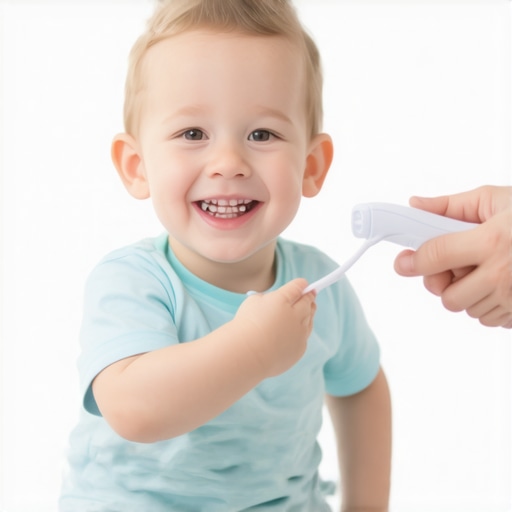
I remember the first time I tried introducing my toddler to the electric toothbrush. It was a total disaster. Tears, screams, and a tiny battle of wills. Honestly, I felt like a failure as a parent—was I doing something wrong? The turning point came when I realized that forcing the issue only made things worse. That moment of frustration turned into a learning opportunity, and I discovered that with patience and a few clever tricks, my little one could actually look forward to their brushing time.
Why Your Toddler Might Be Afraid and Why That Matters
Many parents face this same struggle. Toddlers are naturally curious but also cautious of new experiences—especially when it involves unfamiliar sounds, vibrations, or sensations. The electric toothbrush, with its buzzing or whirring noise, can feel intimidating or even frightening to them. Left unchecked, this fear can lead to poor oral hygiene habits that last well into childhood and beyond. After all, if your child dreads brushing, they’re less likely to do it regularly or thoroughly, which can set the stage for cavities and other dental issues down the line.
According to pediatric dental experts, early positive experiences with oral care tools are crucial. A negative first encounter can imprint fear, making future dental visits stressful for both child and parent. So, it’s not just about brushing teeth—it’s about fostering a healthy relationship with dental hygiene that lasts a lifetime.
Have You Ever Felt Frustrated When Your Child Resisted Brushing?
Trust me, I’ve been there. Early on, I made the mistake of forcing the toothbrush into my child’s mouth, which only increased the fear and resistance. That’s a common mistake. Instead of helping, it can create a power struggle that leaves both of you feeling defeated. I learned that patience, gentle introductions, and understanding your child’s feelings are key. Overcoming this fear isn’t about quick fixes, but about building trust and making the experience positive. Want to know how? Stay tuned for practical steps that guided me—and many other parents—to turn brushing into a fun, stress-free part of the routine. If you’ve faced similar challenges, you’re not alone, and there *are* effective ways to tackle this hurdle.
Use Visual and Tactile Distractions
Bring your child’s favorite stuffed animal or a superhero toothbrush to make brushing feel like a game, not a chore. For example, one morning, I dressed my son as Spider-Man and let him ‘save’ his teeth from the villain plaque by brushing vigorously. It was messy but effective, turning brushing into a fun adventure rather than a battle.
Introduce the Brush Gradually
Start by letting your toddler hold and explore the toothbrush while watching you brush your own teeth. This familiarization reduces anxiety. I used this method by showing my daughter her new electric toothbrush and allowed her to touch it, which made her curious instead of scared. Keep sessions short—just a minute or two—and praise her for being brave.
Make it a Routine with Predictability
Consistency helps children feel secure. Choose specific times each day for brushing, like after breakfast and before bed. I found that singing a silly song during these times created a predictable ritual that my child looked forward to, diminishing fear over time.
Set Clear Expectations and Be Patient
Explain simply why brushing is important. I told my son that brushing keeps his smile shiny and helps him eat his favorite foods without toothaches. During initial attempts, I reinforced that it’s okay if he’s not perfect—what matters is trying. Avoid forcing; instead, gently guide or step back if resistance occurs.
Use Positive Reinforcement
Reward progress with spontaneous praise or a small sticker chart. After successful brushing sessions, I gave my daughter a sticker that she could collect. Seeing her excited to earn more motivated her to cooperate without fussing.
Consider Voice and Listening Techniques
Ask your child what sounds or feelings they associate with brushing. Some kids fear the noise or vibrations; you can desensitize by letting them listen to the sound separately or feel the vibration on a soft toy first. This gradual exposure reduces surprise and builds confidence.
Involve Your Child in Picking Their Tools
Allow your child to choose their toothbrush, perhaps with colorful designs or characters they love. I took my daughter to the store and let her pick her own brush, which made her more invested in using it regularly. This ownership increases motivation and reduces resistance.
Create a Calm Environment
Eliminate distractions like TV or screens. A calm, focused atmosphere makes it easier for your child to focus on the task. I found that brushing in a quiet bathroom, with soft lighting and a friendly tone, made the experience less intimidating.
Consult Professional Resources
If fears persist, seek advice from family dentistry experts. They can provide tailored strategies or recommend child-friendly tools. Learning about modern techniques, like using gentle sonic toothbrushes, can also help ease worries. For more insights, check out family dentistry secrets.
Many people assume that choosing a dentist or treatment options like Invisalign or crowns is straightforward, but the truth is, there are hidden nuances that can significantly impact your oral health journey. One widespread myth is that all dental crowns are created equal. In reality, the quality of materials and the skill of the dentist can make a huge difference in longevity and appearance. For example, opting for porcelain-fused-to-metal crowns might seem cheaper initially, but they are more prone to gum discoloration compared to all-porcelain options. To discover more about the best choices for crowns and how they can elevate your smile, visit this comprehensive guide.
Another misconception revolves around Invisalign – many believe it’s just a cosmetic fix, but its benefits extend far beyond aesthetics. Modern innovations have made Invisalign a versatile solution capable of addressing complex bite issues, which can prevent future dental problems. However, some assume that Invisalign is less effective than traditional braces. That’s not necessarily true, especially with advancements in aligner technology. For an in-depth understanding, check out how Invisalign is transforming family dentistry.
It’s also common to overlook the importance of routine oral health maintenance, believing brushing and flossing alone suffice for long-term dental health. Yet, many neglect regular professional cleanings and screenings, which can catch issues like cavities or gum disease early. An advanced mistake many make is misjudging the role of fluoride treatments or sealants, assuming they are unnecessary. Evidence from dental experts highlights that these preventive measures are vital in reducing decay and strengthening enamel, especially in children. More on effective preventive strategies can be found at top oral health tips.
What about the trap of choosing low-cost solutions that seem appealing but compromise long-term health?
Opting for cheaper dental materials or quick fixes might save money upfront, but often results in higher costs in the long run due to replacements or repairs. For example, choosing non-durable materials for fillings or crowns can lead to premature failure, causing discomfort and additional treatments. This is precisely why selecting experienced professionals and quality materials is crucial for lasting results. As emphasized by experts, investing in your family’s oral health with the right specialist and top-grade materials pays dividends over time. To explore how to make informed decisions about restorative options, visit here.
Finally, many underestimate the importance of personalized treatment plans. Every smile is unique, and a cookie-cutter approach can lead to subpar results or even unforeseen complications. Dentists who tailor treatments consider factors like bite dynamics, jaw structure, and overall health, ensuring optimal outcomes. If you’re curious about how personalized protocols can benefit your family, reach out through our contact page.
In summary, avoiding these common misconceptions requires awareness and a nuanced understanding of dental care. Don’t fall into the trap of complacency—your family’s oral health deserves expert attention and personalized strategies. Have you ever fallen into this trap? Let me know in the comments and share your experiences!
Maintaining your dental restorations and orthodontic appliances requires the right tools and consistent routines. As a family dentist, I rely on specific equipment that ensures longevity and optimal function for crowns, Invisalign, and other treatments. One indispensable item is the ultrasonic scaler, which I use during professional cleanings to effectively remove plaque buildup without damaging your restorations. Its gentle vibration cleans hard-to-reach areas, preventing decay around crowns and implants.
For at-home care, I recommend investing in a high-quality electric toothbrush with personalized pressure settings. I personally use the Oral-B Genius series because it offers real-time pressure sensors, which alert me when I’m brushing too hard—protecting your crowns and delicate bonding sites. Regular use of such a device helps prevent premature wear and keeps your oral health on track between visits.
Another essential is a water flosser, like the Waterpik Aquarius. It’s excellent for cleaning around crowns and braces, as traditional floss can sometimes be cumbersome. I find that integrating this tool into daily routines significantly reduces plaque accumulation—especially in areas prone to buildup. Plus, for patients with sensitive gums or periodontal issues, the gentle pulsating stream improves gum health over time.
On the technical front, adjunct software like Dentrix Ascend streamlines follow-ups and treatment tracking. My clinic relies on this cloud-based platform to monitor long-term results, schedule maintenance, and generate custom reports. Such tools enable proactive care, ensuring treatments like crowns or aligners receive the attention needed for lasting success.
Looking toward the future, advances in digital dentistry suggest even smarter devices will become standard—integrating AI-driven diagnostics and real-time monitoring. Imagine a future where your appliances communicate with your dentist’s software, alerting both of you to potential issues before they escalate. This trend underscores the importance of staying updated with tech-savvy tools to preserve your investment in oral health.
How do I maintain my dental restorations and aligners over time?
Consistent maintenance involves not just brushing and flossing but also routine professional checkups. Visiting your dentist every six months allows for early detection of wear or damage. Using recommended cleaning tools and avoiding DIY fixes can extend the lifespan of crowns, veneers, and Invisalign trays. Remember, tailored advice from your dental provider—like cleaning techniques and product choices—are vital for long-term success.
For example, I often suggest patients use specialized cleaners for retainers or aligners, such as the Invisalign Cleaning System, which keeps trays clear and bacteria-free. Regularly replacing your toothbrush or brush head—every three to four months—prevents bacterial buildup and ensures effective cleaning. Such small but consistent steps go a long way in preserving your smile’s health and aesthetics.
Interested in more advanced techniques? Consider trying a laser bacterial decontamination procedure during your cleanings—this state-of-the-art approach can drastically reduce harmful bacteria around crowns and implants, enhancing overall oral health. Consulting with your family dentist about integrating new tools like this can lead to better long-term results and fewer complications, supporting a healthy, beautiful smile for years to come.
For personalized advice on maintaining your dental work or exploring cutting-edge technologies, reach out through our contact page. Staying proactive is the key to a lifetime of healthy, confident smiles.
Throughout my years practicing family dentistry, I’ve learned that the most profound insights often come from unexpected experiences. Let me share some personal revelations that can help you navigate oral health with more confidence and understanding.
How I Discovered the Power of Patient-Centered Care
One of the hardest lessons was realizing that patients, especially children, respond better when they feel genuinely listened to. Incorporating their fears and preferences transformed the way I approach treatments, making procedures less intimidating. This taught me that empathy isn’t just good practice—it’s essential for building trust, inspiring cooperation, and ultimately achieving better results.
The Surprising Effectiveness of Playful Introductions
Introducing dental tools through play or storytelling changed my approach forever. When kids saw their toothbrush as a superhero or a spaceship, their curiosity replaced fear. I found that involving children in choosing their tools or creating fun routines can turn a dreaded task into an engaging experience. It’s a simple technique with powerful results, and I encourage parents to experiment with it.
Why Consistency Outshines Price Tags in Dental Care
Early in my career, I perceived that investing in premium materials automatically meant better care. Over time, I understood that the real game-changer was consistency—regular checkups, daily routines, and communication. Quality tools and materials support this consistency, but commitment from the patient makes all the difference. That’s why I emphasize building habits over just choosing the most expensive options.
The Lessons I Learned About Modern Tech and Tradition
While technological advancements like digital scans and laser treatments are incredible, I found they complement, not replace, fundamental care. Training in traditional techniques remains vital, especially when unexpected situations arise. Embracing innovation while respecting the tried-and-true methods creates a balanced approach that benefits every smile I treat.
Where My Curiosity Led Me to Trusted Resources
Over the years, my continuous learning has been fueled by reputable sources. For in-depth understanding of crowns and restorations, I often turn to the comprehensive guide to crowns. Engaging with peer-reviewed journals, and attending workshops keeps me up-to-date, ensuring I provide the best care tailored to each family’s needs. Remember, ongoing education is a cornerstone of excellent dentistry.
Embracing Change Starts with Small Steps
My final insight is that change—even in oral health—is a process. From encouraging your child to adopt a new brushing routine to exploring innovative treatment options like Invisalign, patience and persistence are key. Every small step builds toward healthier, more confident smiles. So, I invite you to take that first step today—reach out, ask questions, and embrace the journey of better oral health.