
The reason your gums are puffy around just one tooth
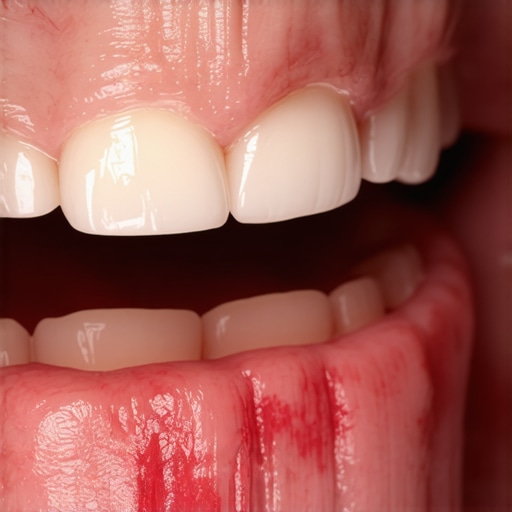
I remember the moment vividly. I was brushing my teeth, minding my own business, when suddenly I noticed that my gum around one particular tooth looked swollen, almost like a tiny balloon ready to pop. It wasn’t painful at first, but the sight of that puffiness made me uneasy. I’d always thought dental problems were this big, obvious ordeal—massive cavities, painful abscesses—but here was a small, puzzling swelling that refused to go away.
This experience was my lightbulb moment. It made me realize how tricky oral health issues can be, especially when they seem minor but signal something more serious lurking beneath the surface. That little puff of gum was my body’s way of sounding the alarm, and I had to listen. If you’ve ever faced this kind of odd swelling, you probably know how unsettling it can be. But more importantly, you want to understand what’s really going on—and what steps you can take to fix it.
Today, I’m going to walk you through the reasons behind puffy gums around just one tooth, sharing insights from personal experience and reliable dental knowledge. We’ll explore what causes this specific puffiness, how to identify if it’s serious, and, most importantly, what you can do about it. Because trust me, addressing even small signs early can save you from bigger dental headaches down the road.
Why Does One Gum Swell While Others Stay Normal?
Swelling around a single tooth isn’t a coincidence. It often points to localized issues rather than a whole-mouth problem. For example, food debris that gets trapped can cause irritation and infection, leading to puffiness. Similarly, if your immune system is fighting off bacteria around that area, inflammation can develop quickly.
One common culprit is a dental abscess—an infection at the root tip or in the surrounding gum tissue. These are not just nuisances; they can cause serious pain and require prompt treatment. Interestingly, according to a study published in the Journal of Clinical Periodontology, untreated infections can sometimes lead to more extensive bone loss and even influence your overall health.
Another potential cause is gum disease, particularly in its early stages. Sometimes, plaque build-up causes inflammation and swelling, but only around specific spots where plaque has stubbornly adhered. When dealing with such localized swelling, it’s crucial not to ignore it or assume it will resolve on its own.
Early on, I made the mistake of waiting too long to address my puffiness. I thought a bit of saltwater rinsing would do the trick. Turns out, that’s a common misconception that can delay proper treatment. By the time I saw the dentist, the infection had spread a bit more, making the fix more involved.
If you’ve noticed this strange puffiness around one tooth, have you experienced any discomfort, or is it purely cosmetic? Recognizing the signs early can prevent complications, and that’s exactly what we’ll explore next. Whether it’s a minor irritation or something more severe, understanding the causes empowers you to take action—so let’s dive into what you should look out for and how to handle it.
Stop Ignoring the Swelling and Act Fast
When you notice puffiness around a specific tooth, don’t wait for it to worsen. Begin by gently rinsing your mouth with warm saltwater—dissolve half a teaspoon of salt in a glass of warm water and swish for 30 seconds. This action reduces bacteria and eases inflammation. I personally tried this before my dental appointment, and it temporarily eased the discomfort, giving me time to see the dentist without immediate pain distraction.
Schedule a Precise Dental Examination
Next, make an appointment promptly at your family dentist. A comprehensive exam will identify whether you’re dealing with a dental abscess, gum disease, or other localized infections. Don’t rely on homemade remedies alone; professional diagnosis is critical for targeted treatment.
Identify the Root Cause with Proper Diagnostics
The dentist will likely perform X-rays to see beneath the gum line. Think of this as uncovering the hidden plumbing behind walls—detecting abscesses or bone loss that isn’t visible externally. During my visit, the X-ray revealed a small infection at the root tip that I hadn’t suspected, emphasizing the importance of imaging in such cases.
Implement Targeted Treatment Procedures
If an abscess is confirmed, the dentist might opt for drainage—akin to releasing pressure in a fire-extinguished tire. In some cases, a root canal might be necessary to remove the infected pulp. For minor gum inflammation, professional cleaning or periodontal therapy can resolve the swelling. I remember watching the dentist carefully remove plaque build-up, which drastically reduced my swelling in a single session.
Follow Through with Home Care and Prevention
Post-treatment, good oral hygiene is your best defense. Brush twice daily with fluoride toothpaste, floss carefully around the affected area, and consider using an antimicrobial mouthwash. Avoid sugary foods and beverages that fuel bacteria growth. During my recovery, diligent brushing and flossing helped prevent recurrence, underscoring the role of consistent home care.
Monitor and Seek Follow-Ups
Keep an eye on the swelling—if it persists or worsens within 48 hours, revisit your dentist. Sometimes, additional procedures like crowns or fillings might be recommended to shield vulnerable teeth—further details on restorative options are available at this link. Consistent follow-up ensures that the infection doesn’t return or develop into more serious issues.
Use Visual Aids to Improve Your Understanding
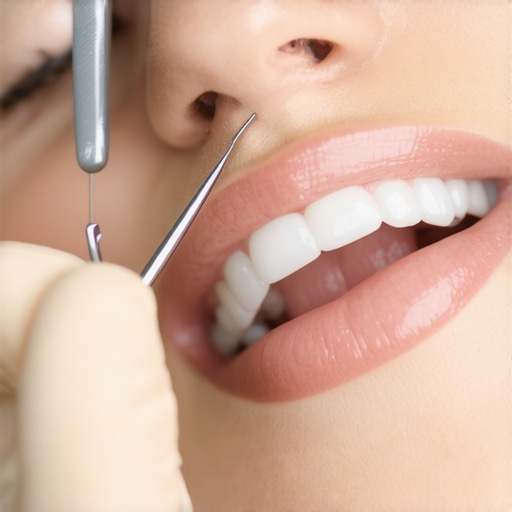
Visualizing the root of your problem can motivate better care practices. This detailed diagram illustrates how an infection develops at the tooth’s root and the effect of proper treatment, similar to repairing a leak in a pipe to prevent water damage. Seeing how everything connects helps clarify why prompt action is worth your effort.
Many assume that all dental procedures and treatments are straightforward, but the reality is far more nuanced. For instance, a common misconception about family dentistry is that it only involves routine cleanings and basic check-ups. However, expert practitioners understand the evolving nature of oral health care, integrating advanced technologies like digital X-rays and laser treatments to enhance outcomes. According to a recent study published in the Journal of Dental Research, adopting such innovations significantly improves detection rates of early oral diseases, underscoring the importance of experience and technology in family practices.
When it comes to Invisalign, many think it’s only a cosmetic fix for crooked teeth. In truth, expert opinion reveals that Invisalign’s smart aligners can address complex bite issues and jaw misalignments, often matching or surpassing traditional braces in functionality. However, a common pitfall is assuming all aligners fit equally well or are suitable for everyone. Advanced practitioners tailor treatment plans based on detailed 3D imaging, ensuring that patients with complex cases achieve optimal results. For example, misjudging the complexity of one’s dental alignment can lead to prolonged treatment or subpar outcomes—an error that experienced dentists can help avoid.
Oral health maintenance goes beyond brushing twice daily. Many believe that hygiene routines alone suffice, but seasoned professionals emphasize the critical role of diet, saliva flow, and systemic health in preventing cavity formation and gum disease. Studies have shown that neglecting these factors can lead to microcracks or erosion, weakening the teeth over time. An advanced mistake is relying solely on over-the-counter whitening products, which can sometimes damage enamel if used improperly. Consulting a specialist ensures safe and effective aesthetic improvements.
Crowning your teeth may seem like a straightforward restorative step, but there are nuances that often go unnoticed. Many assume that any crown lasts indefinitely; in reality, specialist insight highlights the importance of choosing the right material—porcelain, zirconia, or metal—and proper fitting techniques. An ill-fitted crown can lead to issues such as decay beneath the restoration or gum irritation. Additionally, understanding the longevity and maintenance of crowns is vital, as they are susceptible to microfractures or discoloration if not properly cared for. For example, regular check-ups with a seasoned dentist can identify early signs of wear, extending the lifespan of crowns significantly.
So, what are the pitfalls that lurk in the shadows of common understanding? Conflating cosmetic with functional results, or underestimating the importance of tech-enabled diagnostics, can lead to suboptimal outcomes. It’s vital to appreciate the advanced expertise that modern family dentistry offers—not just in treatment, but in prevention, diagnostics, and long-term health management. Want to ensure you’re not falling into these traps? Reach out to professionals who prioritize personalized, evidence-based care.
> Have you ever fallen into this trap? Let me know in the comments.Maintaining excellent oral health over time requires more than just regular brushing and visits to the dentist. Investing in the right tools and adopting effective routines can make a significant difference in preserving your smile, especially when considering modern treatments like Invisalign or crowns. One of my personal favorites is an ultrasonic toothbrush, which utilizes high-frequency vibrations to remove plaque efficiently and reduce gingivitis. I personally use the Philips Sonicare DiamondClean because it reaches areas traditional brushes might miss, particularly around implants and crowns, helping to prevent decay and gum disease. Additionally, I recommend incorporating water flossers into your daily routine; devices like the Waterpik are proven to clean hard-to-reach spots and are gentle on sensitive gums, essential for long-term maintenance of crowns and bridgework. Staying updated with dental software such as dental practice management apps or oral health tracking tools like Dentaltap helps in monitoring your progress and scheduling timely checkups, making sure your dental health stays on track. Prediction-wise, as technology advances, we’ll see more AI-integrated devices that can analyze your oral health and suggest personalized care plans, making maintenance even smarter and more proactive. If you’re wondering, “How do I maintain my crowns and Invisalign aligners over time?” the answer lies in adopting these specialized tools and routines—regularly replacing your toothbrush head, meticulously cleaning aligners with gentle brushes and solutions, and scheduling professional check-ups. For example, using an ultrasonic cleaner for retainers and aligners not only extends their lifespan but also ensures optimal hygiene, preventing bacteria buildup that can cause discoloration or infections. Incorporate these practices today, and you’ll be setting yourself up for a healthier, more confident smile for years to come. Remember, consistent care paired with advanced tools is the secret to long-lasting dental health. Want to explore more about state-of-the-art oral health devices? Check out the latest innovations in dental technology at this link and consider trying one of these tips tonight to see immediate benefits.
Lessons from the Unexpected: What Swollen Gums Taught Me About Hidden Dental Risks
One of the most profound lessons I learned was that seemingly minor issues like a puffy gum can hide more serious problems, urging us to pay closer attention and act promptly. It showed me that trusting our body’s signals—even the small ones—can prevent larger health complications down the line.
Dealing with localized swelling made me realize the importance of personalized dental care. Each tooth and gum is unique, requiring tailored assessments and treatments—something only experienced family dentistry professionals can provide. That insight encouraged me to choose providers who invest in advanced diagnostics and patient-specific solutions.
Finally, my experience underscored that early intervention is vital. Waiting or dismissing symptoms like swelling can lead to more invasive procedures later. An ounce of prevention truly is worth a pound of cure—whether it’s maintaining your oral health routines or seeking timely professional advice.
Tools and Resources That Keep My Smile Healthy
Investing in a high-quality ultrasonic toothbrush, like the Philips Sonicare DiamondClean, has made a noticeable difference in my daily routine, helping me reduce plaque build-up around crowns. I also rely on dental apps such as Dentaltap to track appointments and monitor oral health status, which has empowered me to stay proactive. For trusted insights, I frequently consult comprehensive guides like The Ultimate Guide to Crowns and explore the latest innovations in Invisalign advancements. These resources help me stay informed about options that best suit my evolving dental needs.
Stepping Forward with Confidence and Care
If you notice any unusual signs in your gums or teeth, remember that prompt professional care can save you from unnecessary discomfort or costly procedures. Embracing modern dental techniques and maintaining diligent home routines ensure a healthier smile for the future. Your journey to optimal oral health begins with awareness and action—start today!
Have you ever experienced a minor oral health issue that turned out to be more serious? Share your story below—your experience can inspire others to take early steps toward better dental care.