How to tell if your dental implant is actually healing correctly
I remember sitting in my dentist’s office, nervously biting down on the mirror handle as she examined my new dental implant. A tiny voice in my head wondered, “Is it healing correctly? Or am I just pretending everything’s fine?” That moment was eye-opening. I realized many people, including myself initially, overlook the subtle signs that indicate whether a dental implant is truly healing as it should. Misjudging this can lead to prolonged discomfort or even more serious complications down the line.
Recognizing the Signs of Healthy Implant Healing
Dental implants are a fantastic solution for restoring your smile, but their success depends heavily on proper healing. During the initial weeks, your body is essentially working to integrate the implant with your jawbone, a process called osseointegration. If this process is smooth, you’ll experience minimal discomfort, and your implant will feel stable. However, there are telltale signs—both visual and sensory—that can tell you whether your healing is on track or if something’s amiss.
Understanding these signs isn’t just about peace of mind; it’s about catching potential issues early. From swelling and pain levels to the way your implant feels when you chew or touch it, your body communicates clues about its healing progress. Being attuned to these signals can save you time, money, and unnecessary discomfort.
Have You Faced This Common Dilemma?
Before diving into how to assess your healing, I want to ask—have you ever wondered if that persistent soreness or slight swelling means trouble or is just part of the normal healing process? Early mistakes, such as ignoring minor symptoms, can sometimes worsen the outcome. For example, I once brushed off a bit of residual swelling as normal, only to find out later that it was a sign of infection—a mistake I wouldn’t repeat. So, if you’re uncertain, don’t hesitate to consult your dentist or check out trusted resources like this guide on implant care.
In the sections ahead, I’ll share practical ways to monitor your healing at home and when it’s essential to seek professional advice. Because understanding what’s normal and what’s not is the first step toward ensuring your implant becomes a lasting part of your smile, not a source of worry.
Track Your Swelling and Discomfort Daily
Use a simple diary or notes app to record sensations like pain, swelling, or tenderness each day. I once kept a written log when healing from my implant, noting a slight increase in swelling on day five that resolved by day seven after applying cold packs and gentle rinses. Recognizing this pattern early helped me avoid unnecessary panic and a trip to the dentist. Consistent tracking helps identify deviations from normal healing and alerts you when professional advice is necessary.
Perform Gentle Self-Checks Regularly
Every morning and evening, gently touch the implant area with clean fingers or a soft mirror. Notice if the implant feels loose or if there’s any abnormal texture. I once felt a tiny bump that wasn’t there before, which prompted a quick consultation. To perform the check: rinse your mouth first, then carefully press around the implant site for tenderness or mobility. If you detect looseness or unusual hardness, schedule a professional examination promptly.
Monitor for Changes in Eating and Oral Sensation
Pay attention to how the implant feels when you chew and if you experience any tingling or numbness. I adapted by eating soft foods initially and kept a mental note of any discomfort. For example, eating crunchy apples felt odd, indicating that my healing was still progressing. Use a food diary if helpful. Persistent difficulty chewing or abnormal sensations beyond two weeks may suggest incomplete osseointegration or inflammation, warranting dentist consultation.
Maintain Strict Oral Hygiene Practices
Nail the cleaning routine to prevent infections that can derail healing. I used a soft-bristled toothbrush and a gentle antiseptic rinse, making sure to avoid disturbing the implant site. An analogy: think of your implant as a delicate seed; you must keep it clean without overwatering. Regularly brushing, flossing around adjacent teeth, and using tailored mouthwashes helps keep the area free from plaque and bacteria, critical for healthy healing.
Watch for Signs That Signal Professional Attention
Be alert for persistent pain, unusual bleeding, or foul smell—these can be signs of infection or implant rejection. Once, I noticed a metallic taste and minor bleeding two weeks post-implant; I immediately contacted my dentist who checked for infection and provided treatment. Don’t ignore these symptoms—early intervention can prevent more severe complications.
Use Visual Aids to Recognize Normal Healing
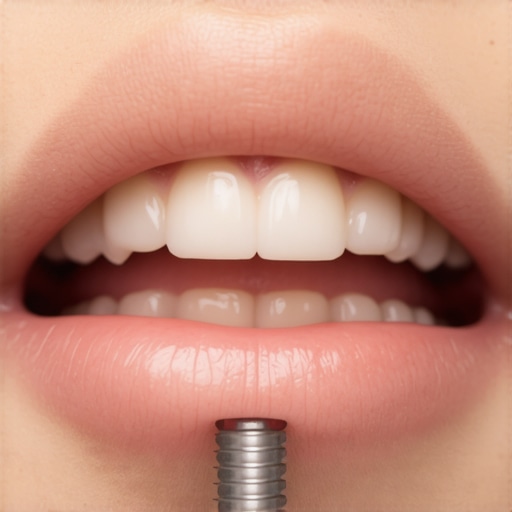
Visualizing your healing can be as straightforward as comparing current photos with initial images taken post-surgery. If the gum tissue appears inflamed or discolored after a few weeks, it’s a good idea to seek professional input. Many family dentists now provide [comprehensive evaluations](https://familydentistpro.com/how-invisalign-transforms-family-dentistry-in-2025) that incorporate visual assessments, ensuring your implant is on the right track.
By integrating these steps into your daily routine, you actively participate in your healing process. Remember, paying close attention to subtle signals and maintaining meticulous oral hygiene significantly boost the chances your implant will serve you flawlessly for years to come.
Many people believe they fully understand oral health and the various dental solutions, but in reality, misconceptions still persist, often leading to overlooked nuances that can compromise long-term results. One prevalent myth is that all dental restorations are created equal; however, understanding the nuanced differences between crowns and veneers can make a significant impact on your oral health and confidence. For example, crowns are often thought of solely as cosmetic solutions, but they play a crucial role in restoring the structural integrity of damaged teeth, especially when combined with proper material choices and placement techniques, as detailed in this comprehensive guide.
Another misconception revolves around Invisalign. Many assume that clear aligners are only suitable for minor teeth adjustments, but recent advancements have expanded their applicability. Advanced cases, including complex bite corrections, are now achievable with Invisalign, provided the treatment is tailored by an experienced dentist. Be cautious about overestimating or underestimating Invisalign’s capabilities—trust the nuanced assessments offered by experts outlined here.
When it comes to family dentistry, the common mistake is to neglect regular check-ups, assuming only symptomatic issues require attention. However, even asymptomatic children and adults can harbor early signs of decay or misalignment that benefit from early intervention. Recognizing the importance of preventive care, including routine cleanings and screenings, can prevent more invasive procedures later, as emphasized in this article.
So, what are some hidden details that many overlook? The choice of dental material for crowns, for instance, can influence longevity and biocompatibility. Ceramic crowns offer superior aesthetics but may lack the strength needed for some molars, while metal-based crowns provide durability but sacrifice appearance. An informed selection requires understanding your unique needs and lifestyle.
In addition, improper flossing techniques can cause more harm than good. For example, aggressive flossing can damage delicate gum tissue, leading to recession. Learning the correct flossing method is a subtle but crucial detail often missed, which can be learnt from reputable sources and your dentist.
Moreover, many assume that dental repairs like crowns or Invisalign are one-time investments. In reality, maintaining oral health involves consistent oral hygiene, regular professional evaluations, and understanding the evolving nature of your dental needs. Staying informed about the latest technological innovations, such as those discussed here, can help you adapt your routine effectively.
Have you ever fallen into this trap? Let me know in the comments. Staying aware of these nuances ensures your oral health journey is both effective and long-lasting, avoiding the pitfalls of common misconceptions.
Keeping your smile healthy and functional over the years requires more than just good brushing and flossing. Having the right tools at your disposal can make a significant difference in ensuring your dental restorations, like crowns and Invisalign, perform optimally for the long haul. As someone deeply invested in modern dental practices, I’ve fine-tuned my toolkit with specific, high-quality equipment and software that I personally rely on daily.
How do I maintain my dental work over time?
First, investing in a quality sonic toothbrush, like the Philips Sonicare DiamondClean, has been a game changer. Its advanced brush head design and multiple brushing modes allow for gentle yet thorough cleaning around crowns and implant sites. I personally prefer it because it reaches hard-to-access areas and reduces plaque build-up effectively, which is crucial in preventing peri-implantitis or other complications.
Complementing my toothbrush, I use interdental cleaning tools like the TePe Interdental Brushes. Unlike standard floss, these small brushes can target stubborn plaque between closely spaced teeth and around restorations without causing gum recession. I’ve found that incorporating these into my routine significantly extends the lifespan of my restorations by minimizing bacterial build-up that can lead to decay or implant failure.
In addition, I rely on dental-specific water flossers like Waterpik for daily maintenance. Their pulsating water streams help dislodge debris from around crowns and aligners, especially after meals when plaque can start to develop. This tool is gentle yet effective — a feature I highly value for those with sensitive gums or recent restorations.
What about software and tracking?
For monitoring my oral health and tracking treatment progress, I utilize intuitive dental health apps like Dental Monitoring. This tele-dentistry platform allows me to keep close tabs on the healing of my implants and the fit of my Invisalign aligners through regular photo submissions. The technology leverages AI to detect early signs of issues, which I find invaluable for catching problems before they escalate.
Looking ahead, I believe integration of AI and IoT devices will become even more prevalent, offering personalized maintenance plans and real-time alerts. The trend points toward a future where we can preemptively address potential failures, ultimately saving time and costs.
Why is it crucial to have precise tools?
Using specialized equipment ensures that your dental work remains secure and effective. For example, choosing a non-abrasive polishing paste, like G-аrden Smile, prevents unnecessary wear on crowns while maintaining their glossy appearance. Regularly checking the tightness of crowns and implants with a gentle dental probe is also vital; a loose restoration can rapidly become a serious problem, as highlighted in this resource.
Don’t forget professional evaluations. Periodic check-ups with your dentist, combined with at-home tools, create a synergy that ensures your smile remains healthy and functional over years. Try incorporating a quality sonic toothbrush today, and you might be surprised at how much easier it becomes to maintain your dental restorations.
Remember, staying ahead of potential issues with the right tools not only saves money but also preserves your confidence and overall oral health for the future. Keep extracting value from your routine—your smile deserves it!