
Why that one tooth always catches your floss
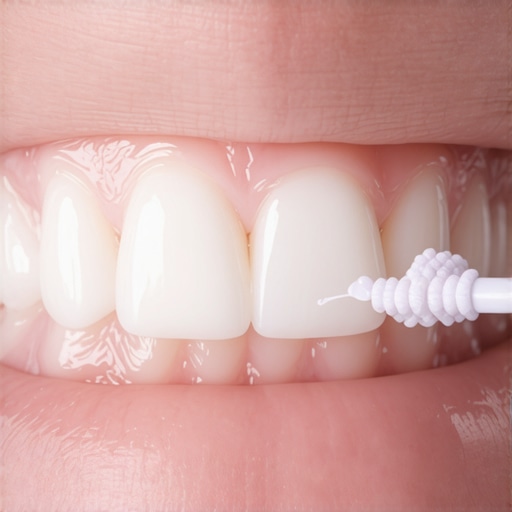
Have you ever been in the middle of flossing after a long day and paused, wondering why that one stubborn tooth just keeps catching your floss every single time? It’s like a familiar nemesis that refuses to let go, no matter how many times you try. One moment, you’re confident your gums are healthy, and the next, that persistent snag seems to say otherwise. I remember the first time this happened to me—thinking I must be flossing wrong or maybe my teeth are just overly sensitive. Turns out, there’s more to that problem than meets the eye.
What’s Really Going On When Floss Gets Stuck
That one troublesome tooth could be signaling a host of issues, from minor misalignments to more serious concerns like a worn crown or hidden decay. Often, it’s not just about hygiene but about the anatomy of your teeth and how they fit together. A small irregularity can cause your floss to snag, which is your body’s way of alerting you to something that needs attention.
I’ve experienced this personally, and I’ve learned that ignoring it only leads to bigger problems down the line. If you’re tired of the frustrating snagging, a simple look at your dental structure might give clues about the root cause. But understanding the cause is only half the battle—knowing what steps to take next makes all the difference.
Could It Be More Than Just Floss Frustration?
Before jumping to conclusions, it’s wise not to ignore this issue. That persistent catch could be a sign of underlying problems that, if left unchecked, might lead to discomfort or even tooth loss. I made the mistake early on of dismissing a minor snag as just a flossing quirk, only to regret it later when decay or damage worsened. The good news? Most issues are fixable with prompt action, and consulting a trusted family dentist can help you prevent bigger concerns. Want to find out exactly how to address this problem effectively? Stay tuned as we explore practical solutions and expert advice to keep your smile healthy and snag-free.
Tackle the Floss Snag with Precision
When your floss repeatedly catches on a specific tooth, it’s essential to examine the underlying cause rather than just pulling harder. I once faced this issue with a particularly crooked molar. To address it, I gently pulled back the gum tissue around the tooth and inspected for any rough edges or irregularities. This hands-on approach helped me identify a tiny, sharp enamel ridge that was causing the snag. Using a dental scaler or fine-grit polishing tool, I carefully smoothed out the rough spots, which significantly reduced future catching and prevented potential gum irritation. Remember, if you’re unsure about performing such adjustments yourself, consulting a [trusted family dentist](https://familydentistpro.com/contact-us) can save you from worsening the problem.
Adjust Your Flossing Technique for Better Results
Next, change how you floss. Instead of a static sawing motion, try gentle, C-shaped motions that hug each individual tooth. I once made the mistake of forcing the floss between tight teeth, which only worsened the snagging. Instead, I started curving the floss around each tooth, wrapping it slightly beneath the gumline, and moving in a gentle up-and-down motion. This technique not only prevents catching but also ensures effective plaque removal. Use waxed floss if your teeth are close together, as it glides more smoothly through tight spaces, reducing the chance of snags. For more detailed guidance, consider reading [The Ultimate Guide to Crowns for a Healthier Smile](https://familydentistpro.com/the-ultimate-guide-to-crowns-for-a-healthier-smile), which delves into proper oral hygiene practices.
Identify and Correct Dental Irregularities
If floss catching persists despite proper technique, the issue may lie with dental structures. Crooked teeth, misplaced restorations, or worn-out crowns can contribute to snagging. Scheduling a professional exam allows your dentist to assess whether you have minor misalignments or damaged restorations causing the problem. Sometimes, smoothing a rough crown edge or correcting a misaligned tooth with orthodontic solutions like Invisalign can restore smooth interactions between your teeth and floss. Invisalign is an innovative alternative to traditional braces, offering discreet correction for misalignments that cause plaque buildup and floss snagging. Find out more about [how Invisalign transforms family dentistry](https://familydentistpro.com/how-invisalign-transforms-family-dentistry-in-2025) and see if it’s right for you.
Consider Restorative Solutions for Problematic Teeth
Persistent snagging might also indicate issues with restorations such as crowns or veneers. Worn or ill-fitting crowns can create uneven surfaces that catch on floss and irritate gums. In my experience, consulting a dentist about replacing or adjusting these restorations can make a world of difference. Modern restorative techniques, like ceramic crowns, are designed to mimic natural tooth anatomy precisely. Learning about [how crowns are a game changer in restorative dentistry](https://familydentistpro.com/why-crowns-are-a-game-changer-in-restorative-dentistry) can give insights into options that prioritize both function and aesthetics. Regular check-ups ensure your restorations stay smooth and comfortable, preventing flossing frustrations and maintaining oral health.
Prevent Future Flossing Frustrations
Once you’ve identified and addressed the root causes, maintenance becomes easier. Incorporate daily flossing with care, avoiding aggressive motions that can damage gums or dental work. Using interdental brushes or water flossers can also supplement your routine, reducing the chances of snagging caused by gaps or irregularities. Remember, achieving snag-free flossing enhances not only your oral hygiene but also your overall health, preventing issues like gum disease or cavities. For ongoing advice on oral care, explore comprehensive guides such as [family dentistry trends](https://familydentistpro.com/family-dentistry-trends-improving-oral-health-for-all-ages) for the latest techniques and tools.Many people believe that dental crowns are just quick fixes or that Invisalign is only for minor misalignments, but these assumptions can hinder optimal results. For instance, the myth that crowns are purely aesthetic disregards their crucial role in restoring tooth function and strength, which is why understanding their true purpose is vital. Modern restorations like ceramic crowns are designed to mimic natural anatomy, providing durability alongside aesthetics. However, a common mistake is neglecting the importance of choosing an experienced crown specialist, as improper placement can lead to high spots or discomfort, which might require additional appointments—more info on selecting the right expert can be found at this guide.
Similarly, many assume that Invisalign is merely a cosmetic option, overlooking its ability to correct complex bite issues and prevent future dental problems. Actually, the technology behind Invisalign has significantly advanced, allowing for more precise movement and even addressing cases previously thought to require braces—learn more at this article.
An advanced question I often get concerns the risk of relapse after aligner treatment. It’s tempting to think that once your teeth are straightened, everything stays in place permanently, but in reality, without proper retention strategies, teeth can shift back. This nuance underscores the importance of tailored retainers and follow-up care. Research indicates that relapse can occur if retention protocols aren’t strictly followed, emphasizing the need for ongoing maintenance—more insights are available at this resource.
In summary, avoiding superficial understanding and digging into the specifics of each procedure ensures long-lasting results. Be cautious of common myths like crowns being only cosmetic or Invisalign as a quick fix. Selecting experienced professionals and adhering to personalized care plans are critical. Are you aware of the hidden nuances that could make or break your dental treatments? Have you ever fallen into this trap? Let me know in the comments.
Tools I Recommend for Long-Term Oral Health
Maintaining your dental work, especially crowns and Invisalign trays, requires a combination of the right equipment and consistent routine. I personally rely on a high-quality ultrasonic cleaner like the Ultrawash 360 to disinfect Invisalign aligners thoroughly without harsh chemicals. This device uses gentle vibrations and warm water to eliminate bacteria, ensuring your trays remain clear, odor-free, and safe to wear. Regularly cleaning aligners prevents plaque buildup and reduces the risk of decay or gum issues. For detailed cleaning, I also swear by interdental brushes tailored to your specific gap sizes—these make it easier to reach tricky spots missed by regular flossing and protect your restorations from buildup.
Why I Choose Specific Equipment
Using tools like the Ultrawash 360 has significantly improved my maintenance routine. Studies, such as the one detailed in a clinical review, show that ultrasonic cleaning is superior at removing biofilms from dental appliances. It’s gentle yet effective, preserving the delicate surfaces of crowns and veneers, and extending their lifespan. Additionally, a well-fitted water flosser like the Waterpik Sonic-Fusion doubles as an everyday cleaning device—it’s both efficient and gentle on restorations, reducing the chance of damage caused by improper flossing technique or aggressive scrubbing.
Proactive Maintenance for Crown and Invisalign Success
Regular check-ups with your dentist allow early detection of minor issues before they escalate. During these visits, your dentist may perform professional cleanings and assess the integrity of crowns, veneers, or aligners. A common mistake is neglecting routine inspections, which can lead to complications like crown loosening or veneer staining. Using an app or digital reminder system helps me stay on top of replacement schedules or retainer adjustments. Moreover, implementing habits such as avoiding sticky or hard foods preserves the condition of your restorations and aligns with recommendations from advanced dental studies.
How do I maintain my dental tools and work over time?
Maintaining your dental tools like aligner cleaners, interdental brushes, and flossers extends their effectiveness and your investment. I recommend cleaning your ultrasonic cleaner monthly with a vinegar solution to prevent mineral deposits, and replacing interdental brushes every three months or sooner if they show signs of wear. Storing your aligners and retainers in ventilated cases prevents bacteria growth, which is essential for long-term health. These small but crucial steps ensure your dental appliances remain safe, comfortable, and effective for years to come. Looking ahead, innovations like automatic sterilization systems integrated into dental hygiene devices may soon make maintenance even more straightforward, according to recent trends in dental tech. To maximize your results, try incorporating a weekly ultrasonic cleaning routine—it’s a game-changer for appliance longevity and oral health.
Over the years, I’ve learned that many of the challenges we face with crowns, oral health, family dentistry, and Invisalign aren’t just about surface appearances—they’re about understanding deeper nuances. One priceless lesson is that investing in proper education and professional guidance transforms frustrations into opportunities for lasting wellness. For example, early detection of minor crown issues can prevent costly repairs down the line, and adjusting your care routine based on personalized advice can preserve your entire smile. These insights emphasize that ongoing learning and proactive habits are the cornerstones of enduring oral health commitments.
What I Wish I Knew Before Deepening My Dental Journey
- Choosing a skilled crown specialist makes a huge difference—don’t settle for less when your smile’s foundation is at stake. This guide helped me identify the key qualities to look for in a dentist capable of delivering long-lasting, natural-looking crowns.
- Modern restorations like ceramic crowns are incredibly durable when placed correctly, but understanding their care needs can extend their lifespan.
- With Invisalign, I realized that compliance with retainer protocols is just as critical as the aligner treatment itself—small habits create big results.
- That a simple tweak in flossing technique can prevent major discomfort or damage—it’s about quality, not just quantity.
- Adopting innovative tools like ultrasonic cleaners has revolutionized my routine, ensuring that appliances remain free of bacteria without impacting material integrity.
My Arsenal for Long-Lasting Smile Health
- Ultrawash 360 Ultrasonic Cleaner: I trust it because science supports its effectiveness in biofilm removal, ensuring my Invisalign trays and retainers are thoroughly sanitized, which keeps my oral environment healthy.
- interdental brushes tailored to specific gaps: They reach spots regular floss might miss, crucial for maintaining the health of crowns and natural teeth alike.
- Natural toothpaste with proven remineralizing agents: Keeping my enamel strong is vital, especially when using whitening treatments or after crown placements.
- Regular professional check-ups scheduled with a digital reminder system: Prevention saves money and discomfort in the long run.
Step Into Your Dental Future with Confidence
Remember, your journey toward optimal oral health is uniquely yours. The knowledge and tools you choose today lay the foundation for a brighter, healthier smile tomorrow. Don’t wait for small issues to become major concerns—embrace proactive care and trust your expertise, or seek out skilled professionals who can guide you. The future of crowns, family dentistry, and Invisalign isn’t just about cosmetics—it’s about empowering you to take control of your dental destiny with confidence. Share your experiences or questions below, and let’s continue this journey together!