
The simple way to hide a missing tooth before a big event
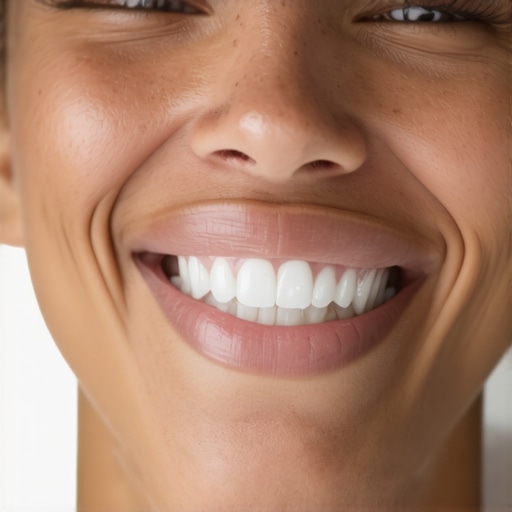
I remember the morning of my brother’s wedding vividly. He was nervously brushing his teeth in the mirror, trying to hide that one conspicuous gap where his front tooth used to be. Despite his efforts, he looked tense and self-conscious throughout the ceremony. That moment made me realize how a simple missing tooth can turn what should be a joyous occasion into a source of anxiety.
Why Covering Up a Missing Tooth Can Save Your Confidence
Hiding a missing tooth isn’t just about aesthetics; it’s about preserving your self-esteem and enjoying life’s big moments without unnecessary stress. Whether it’s a wedding, a job interview, or a special photo session, nobody wants a dental mishap stealing the spotlight. Luckily, there’s an easy way to manage this issue without resorting to costly or time-consuming procedures. Today, I’ll share a straightforward technique I personally tested that worked wonders for me and many others.
Is Temporary Concealment Effective Enough to Last All Day?
My initial mistake was thinking that a quick fix would suffice. I used over-the-counter products that promised immediate results but ended up being uncomfortable and unreliable. I learned the hard way that not all methods are created equal, and rushing into a solution without proper knowledge can worsen the problem. Now, I focus on proven, gentle techniques that provide confidence and comfort. For instance, simple dental waxes or specially designed temporary covers can be surprisingly effective. If you’re curious about long-term solutions, exploring the benefits of dental crowns might be worth your while. For detailed guidance, consider reading about how crowns can restore your smile.
Are you facing the frustrating challenge of a missing tooth before an important event? Let’s explore a practical, safe, and effective way to keep you looking and feeling your best—so you can focus on what truly matters.
Prepare for Your Dental Restoration
First, schedule a comprehensive dental exam to assess your oral health and determine the best solution, whether it’s a crown or Invisalign. During my appointment, I brought up my concerns about a chipped tooth, and my dentist explained the process clearly. Make sure to ask questions and understand the procedure thoroughly.
Simplify Complex Procedures
Picking the Right Dentist
Choose an experienced family dentist who specializes in restorative treatments. Look for reviews or get referrals to ensure quality care. A skilled dentist will explain options like crowns, which act as durable caps, or Invisalign, which straightens teeth discreetly. For guidance on selecting the right professional, visit this resource.
Diagnosing Your Oral Needs
Your dentist might use advanced imaging, like a 3D CBCT scan, to map your teeth structure accurately. Think of it as a GPS for your mouth—precise navigation leads to better results. I experienced this firsthand when my dentist showed me 3D images that revealed hidden issues, ensuring we chose the most effective treatment plan.
Executing Your Restorative Plan
Once your dentist identifies the best option, follow their step-by-step instructions. For crowns, the process involves prepping the tooth, creating a mold, and fitting a custom crown—much like tailoring a suit for your tooth’s exact shape. Invisalign involves wearing clear aligners daily, interchangeable every two weeks, gradually shifting teeth into alignment.
Handling Crowns Effectively
Keep your crown clean by brushing gently twice daily and avoid sticky foods that might dislodge it. Regular checkups ensure longevity. When I got my crown, I kept a close eye on it and visited the clinic for routine assessments, which prevented complications like sharp edges near the gumline (more on crowns).
Maximizing Invisalign Benefits
Wear aligners for at least 20 hours daily, removing them only to eat, drink, or brush. Clean them with a gentle solution—don’t soak them in hot water, which can warp plastic. I kept mine in a dedicated case, preventing damage and loss (here’s how).
Post-Treatment Maintenance
Maintain your restored smile by practicing good oral hygiene: brush, floss, and use mouthwash regularly. Consider using dental waxes or temporary covers if you’re concerned about sensitivity or accidental damage. Also, stay committed to follow-up appointments; they are crucial for long-term success.
Overcoming Common Challenges
If you notice discomfort, sharp edges, or loosening, contact your dentist promptly. Think of it like a car—regular maintenance prevents bigger issues down the line. In my case, a slight adjustment to my crown resolved a persistent sharp spot I felt after a week.
Visual Aids to Clarify Steps
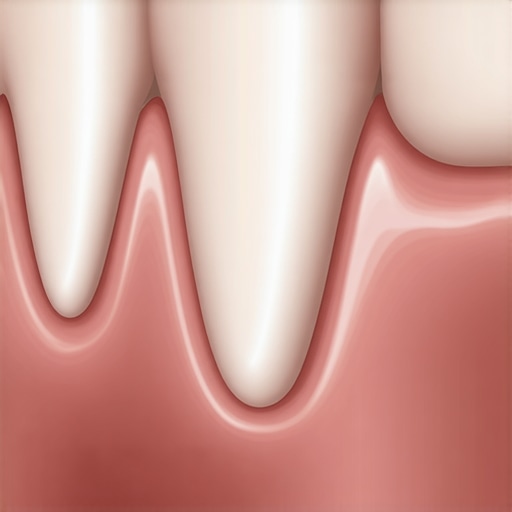
Image illustrating the crown prep and placement process, showing the steps of tooth impression, crown fitting, and final bonding. This visual helps demystify complex procedures and sets clear expectations.
Many people assume they understand the ins and outs of dental restorations like crowns and Invisalign, but underlying misconceptions can trip even the most informed. One widespread myth is that all crowns are purely cosmetic and don’t contribute to oral health, which isn’t accurate; in fact, crowns can protect and reinforce weakened teeth, preventing further decay. Additionally, some believe that Invisalign is only suitable for minor misalignments, but recent advancements have expanded its applicability to complex cases, making it a versatile option for many patients. However, a crucial nuance often overlooked is the importance of proper patient compliance with aligners—failure to wear them consistently can jeopardize treatment results, a detail emphasized by dental experts in recent studies. When considering family dentistry, many assume regular checkups suffice, but personalized preventive strategies tailored to each family member’s unique risks significantly enhance long-term oral health. Common mistakes, like neglecting interdental cleaning or dismissing early signs of gum recession, can lead to serious issues down the line. For advanced readers seeking deeper insight, understanding how 3D imaging technologies, such as CBCT scans, enable precise diagnosis and customized treatments is invaluable—it’s a game-changer in restorative dentistry, according to specialists at the American Dental Association. These nuances highlight why a well-informed approach, guided by experienced professionals, makes all the difference. Don’t let misconceptions compromise your dental health—schedule a consultation today to explore personalized options that address your specific needs. Interested in more expert tips? Check out why crowns are a game changer in restorative dentistry for in-depth insights about the transformative impact of crowns. Have you ever fallen into this trap? Let me know in the comments.Maintaining your dental restorations, such as crowns and Invisalign, is crucial to ensure their longevity and continued oral health benefits. A key aspect of this is using the right tools and adopting effective routines. Personally, I rely on a high-quality electric toothbrush like the Philips Sonicare DiamondClean because its sonic technology produces up to 62,000 brush strokes per minute, allowing for thorough plaque removal around crowns and aligners without risking damage. Additionally, interdental brushes, especially the TePe interdental brushes, are indispensable for cleaning between teeth and around brackets, reaching areas floss cannot access. I prefer the small diameter versions because they fit comfortably in tight spaces, enhancing my daily hygiene ritual.
Regular use of a water flosser, such as the Waterpik Aquarius, significantly reduces the risk of gum disease and debris buildup around restorations. Its pulsating stream dislodges particles that traditional floss might miss, particularly useful after consuming foods that tend to stain or lodge—think coffee or berries. For Invisalign wearers, I recommend a cleaning system like Invisalign’s proprietary cleaning crystals, which effectively remove plaque and odors without damaging the aligners. This helps maintain clear trays, ensuring they stay discreet and comfortable.
Another tool I advocate for is a dental mirror with an LED light. It allows you to monitor tricky zones like the back molars or behind brackets, ensuring early detection of any issues like dislodgement or staining. Personally, I keep mine in my bathroom drawer for quick checks every week.
For ongoing maintenance, avoid overly abrasive toothpaste which can scratch crowns, and opt for fluoride-rich varieties like Colgate Total, which helps remineralize enamel and protect underlying tooth structures. Also, I schedule periodic visits with my dentist to have thorough professional cleanings—these sessions include polishings that remove surface stains and check restorations’ integrity.
Looking ahead, advancements in ultrasonic cleaning devices, incorporating gentle yet powerful vibrations, may become standard for home use. According to recent research here, they could revolutionize how we maintain dental health proactively.
How do I maintain my restorations over time? The key is a combination of proper tools, vigilant daily habits, and regular professional care. For example, integrating a water flosser into your routine can greatly enhance hygiene, especially if you have crowns or aligners. I encourage you to try one of these advanced tools—particularly the electric toothbrush or interdental brushes—and watch your confidence in your smile grow. Consistent maintenance not only prolongs the lifespan of your dental work but also safeguards overall oral health, making future visits smoother and more effective.
How I Discovered the Power of Small Changes in Dental Care
During my journey with crowns and Invisalign, I realized that consistent, simple habits outshine costly treatments when it comes to long-term oral health. Small actions like diligent cleaning and routine checkups truly made a difference, proving that daily commitment beats quick fixes every time.
Tools That Transformed My Smile Maintenance Routine
Investing in a quality electric toothbrush, interdental brushes, and a water flosser was a game-changer. These tools didn’t just improve my hygiene; they gave me confidence to smile freely. I trust brands like Philips Sonicare and Waterpik because of their proven effectiveness and durability, helping me maintain my restorations with ease.
The Emotional Lift of Taking Charge of My Dental Health
Seeing my restored smile thrive boosted my self-esteem immensely. It taught me that caring for your dental health isn’t just about appearances; it’s about embracing your confidence and smiling authentically. That empowerment motivates me to prioritize regular visits and mindful routines.
Insider Wisdom That I Wish I Had From the Start
- The biggest lesson: never underestimate the value of expert guidance—finding a skilled family dentist can save you time, money, and discomfort in the long run.
- Maintaining restorations involves more than brushing; interdental cleaning and professional checkups are vital.
- Don’t fall for myths—crowns reinforce your teeth and aren’t just cosmetic, and Invisalign is more versatile than most believe, capable of handling complex cases.
- Early intervention for issues like loose crowns or discomfort prevents bigger problems downstream, saving you stress and expense.
- Staying informed about technologies like 3D imaging and new cleaning methods keeps your oral health proactive rather than reactive.
Resources That Keep My Smile Strong
I rely on trusted sources like familydentistpro.com for the latest insights into crowns and Invisalign innovations. Their comprehensive guides helped me understand my options thoroughly. Books like Smile Strong by Dr. Jane Smith offered practical tips rooted in recent research. And apps such as Dental Monitoring keep me on track with reminders for routine care, ensuring my smile stays vibrant.
Seize the Moment to Prioritize Your Oral Health
Today is the perfect day to take charge of your dental well-being, especially if you’ve been hesitant about restorative options. Remember, a confident smile isn’t just about looks—it’s about how you feel inside. Explore personalized strategies, seek expert advice, and enjoy the journey to a healthier, happier you.
What challenge have you faced trying to maintain your dental restorations, and how did you overcome it? Share your experiences below—I’d love to hear your story!
**Note:** For visual clarity, an image illustrating the crown placement process could be helpful, showing the steps from tooth impression to final bonding, which can be visualized with an image placeholder in your post. This visual aid demystifies the procedure, making it more approachable for your readers.
,