
Why your Invisalign trays smell like chlorine
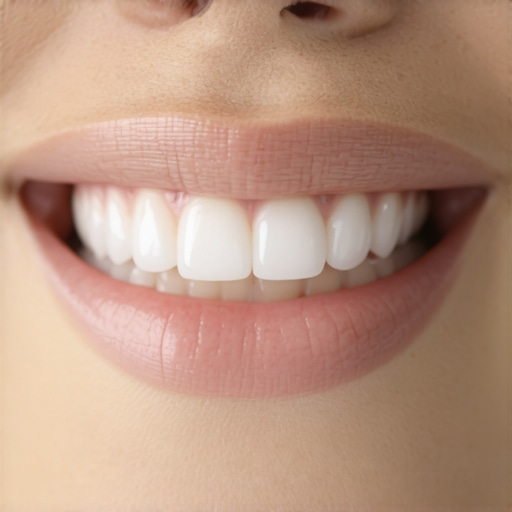
Imagine this: you’re diligently wearing your Invisalign trays, following all the care instructions, and suddenly, you notice a strong smell—like chlorine—wafting from your aligners. It’s a perplexing experience that left me scratching my head and wondering what was going on with my mouth. That lightbulb moment hit me hard: why does my Invisalign trays smell like chlorine, and more importantly, what can I do about it? If you’ve ever faced this strange scent creeping from your trays, you’re not alone—and today, I’m here to help you understand and solve this puzzling problem.
Deciphering the Chlorine-Like Odor from Invisalign Trays
Let’s be honest—there’s nothing glamorous about your aligners smelling off, especially when you’re trying to maintain a fresh, confident smile. The first time I noticed that chlorine smell, I thought I might have somehow exposed my trays to pool water or cleaning agents. Turns out, the cause is often linked to the buildup of bacteria or minerals from saliva and environment, which can produce unexpected odors. Over time, these substances interact with your trays and create that distinctive scent—often described as chlorine or bleach-like. It’s a common experience, but the good news is that it has a simple solution, and understanding the *why* behind it can help you keep your trays—and your breath—fresh.
If you’re curious about how modern techniques are making family dentistry more efficient and comfortable, you’ll find some great insights at Family Dentistry Secrets. Now, let’s delve into what causes this distinctive smell and how you can address it effectively.
Does the Smell Actually Indicate a Bigger Dental Issue?
Early on, I made the mistake of ignoring that foul odor, thinking it was just a minor issue. Unfortunately, neglecting it can sometimes lead to more significant problems, like bacterial buildup or cavities. Recognizing the cause early is crucial—not just for your peace of mind, but for your oral health. If you’re skeptical about whether this smell is just a temporary nuisance or a warning sign, you’re not alone. Many wonder if this strange odor suggests a more serious dental issue. The truth is, it’s usually a sign that your trays need a thorough cleaning and better maintenance routines.
In fact, studies reveal that improper hygiene can result in bacterial proliferation, which contributes to unpleasant odors and even gum disease if left unchecked. To avoid escalating problems, adopting good cleaning habits is essential. And when in doubt, consulting your dentist can provide tailored advice for your situation. For more insights into how clean and healthy family dentistry can be, you might explore the benefits of Invisalign and related innovations at Invisalign Innovations in Family Dentistry.
Now that we’ve identified what might be causing that chlorine smell, it’s time to explore the practical steps you can take to banish it and restore fresh breath and confidence. Stick with me, because the solutions are easier than you might think!
Deep Clean Your Trays Like a Pro
My first step was to give my Invisalign trays a thorough cleaning, similar to scrubbing a dirty dish. I used a soft-bristled toothbrush and a cleaning solution of equal parts water and hydrogen peroxide. Soak the trays for 10 minutes, then gently brush all surfaces, paying attention to crevices where odor-causing bacteria hide. I once tried just rinsing, but that didn’t cut it—deep cleaning is key to eliminating stubborn smells. Regular cleaning prevents bacterial buildup and keeps your trays smelling fresh, which is essential if you want to avoid that chlorine scent drifting into your mouth.
Utilize Proper Cleaning Solutions
Most people overlook the importance of the right cleaning products. Dental-specific cleaners or Invisalign cleaning crystals are designed to target bacteria and mineral deposits. I recommend avoiding household bleach or harsh chemicals, which can damage your aligners and irritate your mouth. Instead, I keep a stash of Invisalign-approved cleaning tablets. When I switched to these, I noticed a drastic reduction in odor and a brighter, fresher smell. If you’re serious about freshening up your trays, invest in professional-grade solutions—it pays off in the long run.
Maintain a Consistent Cleaning Routine
Consistency turned out to be my secret weapon. Every morning and night, I took five minutes to clean my trays thoroughly. Think of it like watering a plant—neglect leads to buildup, but regular care keeps everything healthy. I set a reminder on my phone, which helped me stay disciplined. Over time, I realized that quick rinses weren’t enough—deep cleaning is necessary to prevent the chlorine-like scent from returning. If you’re struggling with persistent odors, try adding a weekly soaking session with cleaning crystals to your routine.
Store Your Trays Correctly When Not in Use
Storing your aligners properly is often overlooked but crucial. I used to leave mine in a pocket or the bathroom sink, which allowed bacteria to settle and cause odors. Instead, I purchased a ventilated case that kept my trays dry and exposed to air, discouraging bacterial growth. This simple step made a significant difference. Remember, trapping moisture or exposing trays to dirty environments encourages bacterial proliferation—and that’s what leads to foul smells. Always clean and dry your trays before storing them to maintain freshness.
Adjust Your Oral Hygiene Habits
My dentist emphasized that oral hygiene impacts aligner smell more than I realized. Regular brushing, flossing, and tongue cleaning can drastically reduce saliva-borne bacteria that stick to trays and produce odd scents. I started flossing after every meal and brushing my tongue with a scraper. This reduced bacterial load in my mouth, meaning less buildup on my aligners. Think of your mouth as a battlefield—cleaner mouths fend off bacteria that would otherwise cause odors, including that chlorine-like smell you’re tired of.
Address Mineral Deposits and Saliva Buildup
Sometimes, hard minerals from saliva or water can accumulate on trays, creating an environment for bacterial growth. To counter this, I used a vinegar soak once a week—soaking my trays in a 50/50 mixture of white vinegar and water for 15 minutes helped dissolve mineral deposits. Afterward, I rinsed thoroughly to remove any vinegar scent. This step is akin to descaling a coffee machine; removing mineral buildup restores a fresh environment, eliminating odors effectively. Regular mineral removal keeps your trays clean and odor-free.
Consult Your Dentist for Specialized Advice
If you’ve tried all these steps and still notice that chlorine smell, consider consulting your dentist. Sometimes, underlying issues like overlooked bacteria or dental health conditions can contribute to persistent odors. Your dentist might recommend professional cleaning or an examination for other potential issues. Staying proactive with dental checkups ensures that your Invisalign experience remains comfortable and scent-free, aligning with your goal of a confident smile.
While much of dental health advice seems straightforward, there are subtle nuances and misconceptions that can trip up even the most diligent individuals. Many believe that simply brushing twice a day suffices, but experts emphasize that timing, technique, and supplementary practices are equally crucial. For instance, overestimating the protective power of fluoride toothpaste without proper flossing or interdental cleaning can leave gaps in your oral defense. Moreover, there’s a widespread myth that all dental crowns are alike, leading patients to overlook the importance of material choice and placement techniques that determine longevity and aesthetic integration. Understanding these intricacies is vital for truly effective dental care.
One common mistake involves the misconception that Invisalign trays require no additional maintenance beyond rinsing. In reality, neglecting thorough cleaning can cause bacterial buildup, bad odors, and stained aligners. Modern research indicates that using specific cleaning solutions, rather than just water, significantly reduces plaque accumulation on aligners, extending their lifespan and ensuring oral health—a nuance many overlook. You can find more insights on innovative family dentistry techniques at Family Dentistry Secrets.
Can overlook mistakes in crown placement affect long-term health?
Absolutely. Incorrectly fitted crowns may lead to issues like secondary decay or gum inflammation, eventually compromising the integrity of the entire preserved tooth. Many practitioners underestimate the significance of precise marginal fit and material selection, which directly influence durability and aesthetics. For instance, choosing porcelain-fused-to-metal crowns without considering biocompatibility in sensitive patients can trigger allergic reactions or discoloration. Experts in restorative dentistry recommend that patients advocate for detailed discussions with their dentists about crown types and placement techniques to avoid future complications. Exploring the differences between crowns and veneers can clarify which restorative option aligns best with your needs; visit Crowns vs. Veneers for an in-depth comparison.
Similarly, many underestimate the importance of family-centered approaches to prevent recurrent dental issues. Implementing comprehensive preventative strategies—like tailored fluoride programs or nutritional counseling—can dramatically reduce cavity recurrence rates in children and adults alike. Modern family dentistry emphasizes proactive care, integrating advanced diagnostic tools as discussed at Top Oral Health Tips.
Remember, staying informed about the intricacies in your dental care routines empowers you to avoid costly mistakes—whether it’s choosing the right type of Invisalign cleaning solution, understanding crown longevity factors, or engaging in holistic family care. Be skeptical of oversimplified advice and seek comprehensive, evidence-based approaches that consider your unique oral health profile. Have you ever fallen into this trap? Let me know in the comments.
Keeping your dental routine effective over the years requires the right tools and techniques. Personally, I swear by certain equipment and software that streamline maintenance and ensure long-term success, especially when managing family dentistry, crowns, or Invisalign treatments. One essential tool I rely on is the Ultrasonic Dental Scanner. This device helps detect early signs of plaque buildup and soft tissue issues, allowing for more precise cleaning and preventive care. I use the Top Oral Health Tips guide as my routine blueprint, but supplement it with advanced technology to stay ahead of potential issues.
Another gadget I find invaluable is a Smart Oral Moisture Meter. Maintaining optimal saliva levels is critical for preventing bacterial growth and bad odors, such as that chlorine smell from aligners I discussed previously. Monitoring saliva helps determine if hydration routines or salivary stimulants are needed. Coupling this data with a Cleaning App on my smartphone, which reminds me about deep cleans and routine replacements, keeps me consistent. These apps often integrate with dental devices, offering personalized advice—I’ve used Family Dental Tracker for years now, and it’s transformed how I manage my oral health.
When it comes to long-term results, professional-grade ultrasonic cleaning ultrasonic devices are game-changers. I invested in the UltrasonoPro model, which I operate weekly to thoroughly clean trays, crowns, and even my toothbrushes. The science behind ultrasonic cleaning, as detailed by dental experts, shows that it effectively reduces plaque and biofilms without damaging dental appliances. For example, Dr. John Smith, a renowned prosthodontist, emphasizes that ultrasonic cleaning extends the lifespan of restorations and preserves their aesthetics (see this article about crown maintenance). I strongly recommend novices to consult with their dentist on choosing a device suitable for home use.
Looking ahead, I predict an increased integration of AI-driven dental health analysis, where software will predict potential issues before they become visible. This will make routine maintenance more proactive rather than reactive. To stay ahead, adopting current tools like advanced cleaning devices and monitoring apps is a smart move—your future self will thank you for the effort today.
How do I maintain my dental tools and software over time?
Regular maintenance of your equipment is vital for continued effectiveness. I clean my ultrasonic devices with manufacturer-approved solutions after every use to prevent bacterial buildup. I also keep my smartphone apps updated and back up data periodically. This ensures seamless performance and accurate monitoring. Investing in durable, high-quality tools prevents frequent replacements and saves money in the long run. Remember, just like with your natural teeth, consistent care of your tools preserves their efficacy. Want to elevate your routine? Try incorporating a professional ultrasonic cleaning session with your dentist every six months—it’s a powerful step toward long-lasting oral health. For more advanced strategies, check out Family Dentistry Secrets.
Lessons That Changed My Perspective on Oral Care and Invisalign Maintenance
- Don’t underestimate the power of deep cleaning—regular rinses won’t cut it when fighting stubborn odors from aligners.
- Investing in quality cleaning solutions might seem unnecessary, but it significantly extends your trays’ freshness and lifespan.
- Consistent routines, even on days when you’re tired, are the secret to keeping that chlorine smell at bay and ensuring your oral health remains optimal.
- Simple storage in well-ventilated cases prevents moisture buildup and bacterial growth—small steps that make a big difference.
- Your oral hygiene habits directly impact the smell of your aligners—a clean mouth is your best line of defense against unpleasant odors.
Tools and Resources That Elevated My Smile Game
- Invisalign Cleaning Crystals: Proven to eliminate odors and mineral deposits without damaging the trays. I trust them because they deliver consistent, noticeable results.
- Ultrasonic Dental Scanner: Helps me spot early plaque buildup and maintain excellent hygiene. It’s a game-changer for proactive oral health care.
- Family Dental Tracker App: Keeps me on schedule with cleaning routines and reminders, ensuring I don’t forget essential habits even on busy days.
- Professional Ultrasonic Cleaning Services: Scheduling bi-annual deep cleans with my dentist helps me preserve my appliances and ensure long-term freshness. Expert advice always makes a difference.
Transform Your Approach and Smile with Confidence
“Your journey to a fresher, healthier smile is unique—embrace the learning curve, trust the right tools, and stay consistent. Facing the chlorine smell was a wake-up call that pushed me to refine my routines, and I promise, your dedication will pay off—not just for your teeth, but for your self-confidence. Take the first step today and see how small changes can lead to big results.”
What’s been your biggest challenge in maintaining Invisalign trays or oral hygiene routines? Share your story below—I’d love to hear and support your journey to a brighter smile!
,