
How to tell if your dental filling has a gap around the edge
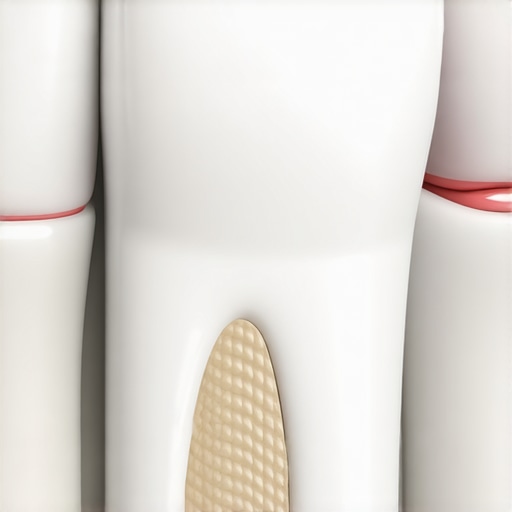
Ever had that eerie feeling when you bite into something crunchy and think, “Did my filling just shift?” or noticed a tiny spike on your tooth that wasn’t there before? That’s exactly how I felt when I first started paying closer attention to my dental work. One day, I bit into an apple and felt a strange ridge—my heart sank. Turns out, that little discomfort was my first clue that my filling might be more than just a spot of concern; it could be a gap around the edge. Realizing the importance of catching these subtle signs early saved me from more complicated—and expensive—dental procedures down the line.
Why Checking Your Dental Fillings Matters Right Now
Our teeth are more than just tools for munching; they’re an integral part of our overall health. Tiny gaps around dental fillings can seem insignificant, but they hold the potential to harbor bacteria, leading to decay or even infections. Many overlook these signs until discomfort or pain becomes unavoidable. Recognizing and addressing gaps early keeps your smile healthy, avoids costly treatments, and maintains your confidence. Plus, with advancements like Invisalign innovations and improved crown materials, we have options to restore your oral health beautifully and long-lasting. So if you’ve noticed a change or simply want peace of mind, this guide will help you identify those sneaky gaps around your fillings before they become bigger issues.
Could a Small Gap Really Cause Big Problems?
I remember early on making the mistake of ignoring minor cracks or gaps, thinking they’d fix themselves or weren’t worth fussing over. That was a mistake. Even tiny spaces can allow bacterial infiltration, leading to further decay or sensitivity. According to a report from the American Dental Association, small gaps can compromise the integrity of the filling and accelerate tooth decay if left unchecked. That’s why, in the next sections, we’ll explore easy ways to detect these gaps and dispel common fears—like whether it’s worth rushing to the dentist at the first sign or if you can spot them yourself from home. Trust me, a little awareness can go a long way in preserving your beautiful smile.
Start With Visual Inspection at Home
Begin by examining your teeth closely in a well-lit mirror. Use a dental floss thread to gently slide between your teeth and along the edges of your fillings. Look for signs of discoloration, small gaps, or sticky buildup. I recall one time I noticed a tiny dark line at the margin of my filling; it was a sign I needed to act fast before decay set in. Be systematic—check each filling area, especially if you have multiple restorations. Remember, early detection at home can save you from costly procedures later.
Use Floss to Detect Hidden Gaps
Floss is your first line of defense in gap detection. Slide floss gently between your teeth, focusing on areas around fillings. If the floss catches or resists at certain spots, it could indicate a gap or rough edge. I once experienced resistance on a molar; this led me to schedule an appointment, where my dentist confirmed a small gap that needed repair—saving my tooth from decay. Be patient and thorough; this simple method can provide clues about your oral health status.
Employ Tactile Checks for Better Accuracy
Use a clean fingertip or a tongue to feel along the edges of your fillings. Sensitive areas or rough patches may indicate issues. For example, I noticed my tongue felt a slight ridge near a tooth after eating cold foods, prompting me to see my dentist. This tactile approach complements visual and floss checks, giving you a better sense of any irregularities not obvious to the eye.
Record and Monitor Changes Over Time
Keep a dental journal—note any changes in texture, color, or discomfort. Take photos periodically, especially if you notice subtle differences. I started taking monthly photos of my dental work; from this, I identified a tiny crack that gradually widened, which my dentist later repaired with a crown. Tracking these signs helps you act promptly and avoid surprises during your dental visits.
Recognize When to Seek Professional Help
If you detect persistent gaps, discomfort, or signs of decay, book an appointment promptly. Don’t wait until pain becomes unbearable. A family dentist can perform comprehensive examinations and use tools like x-rays to identify issues invisible to your checks. To prepare for your visit, note down any symptoms or concerns you’ve observed, aiding your dentist in providing precise treatment.
Stay Ahead With Modern Dental Solutions
Advances like Invisalign innovations and durable crown materials make repair and replacement more effective. Regular checkups ensure your restorations are maintained properly, preventing minor issues from escalating. During my last visit, my dentist recommended a new crown technique that mimicked natural teeth perfectly, boosting my confidence. Staying informed about modern treatments empowers you to make better choices for your oral health.
Many people assume that dental crowns are simply cosmetic fixes, but in reality, they play a vital role in restoring oral function and preventing further decay according to expert research. A widespread misconception is that once a crown is placed, no maintenance is needed. However, neglecting proper care can lead to crown failure or surrounding tissue problems. Additionally, some believe that family dentistry is only for children, but comprehensive family dental care includes preventive strategies for all ages, emphasizing the importance of early intervention which is often overlooked.
When it comes to Invisalign, many think it’s only suitable for teens or minor corrections. Yet, advances have made Invisalign a versatile solution for a wide range of orthodontic issues across different age groups transforming family dentistry in recent years. A common mistake is assuming that clear aligners are less effective than traditional braces; in reality, with proper monitoring, Invisalign can achieve comparable results.
One sneaky nuance that many miss is the potential for crown-related complications caused by unrecognized underlying issues like inadequate preparation or improper material selection. For instance, a poorly fitted crown can cause bite problems or create areas prone to plaque buildup, increasing the risk of decay highlighting the importance of choosing experienced specialists.
Don’t fall into the trap of underestimating the importance of regular checkups — they aren’t just about cleaning but about early detection of subtle issues that can lead to bigger problems as emphasized in recent studies. For example, a tiny crack in a crown or a developing cavity around a filling might be invisible to the untrained eye but glaringly obvious during a professional exam.
Recognizing these hidden nuances can save you time, money, and discomfort in the long run. For instance, understanding the limitations of DIY methods, like attempting to reseal a crown or remove plaque improperly, can actually cause more harm than good. It’s crucial to trust qualified dental professionals who use advanced diagnostics and techniques to ensure optimal outcomes advice from industry leaders.
Have you ever fallen into this trap? Let me know in the comments. Remember, while basic knowledge is helpful, mastering the nuances of dental care makes all the difference between a healthy smile and ongoing issues.
How do I keep my dental restorations functioning well over time?
Maintaining dental work like crowns, veneers, and Invisalign aligners requires the right tools and routines. I personally rely on a combination of high-quality dental floss, specialized brushes, and cutting-edge digital monitoring to ensure my oral health stays optimal. For instance, I use an interdental brush such as the TePe Supreme, which effectively cleans around crowns and bridges without damaging delicate margins — a common mistake with regular toothbrushes. Additionally, I swear by water flossers like the Waterpik, especially for cleaning around Invisalign trays and hard-to-reach areas. Regular use of these tools not only prevents plaque buildup but also extends the life of restorations, keeping your smile healthy and functional for years.
Advancements in digital tools, such as smart toothbrushes with app integration, now allow real-time monitoring of brushing techniques and coverage. I use a Sonicare DiamondClean Smart which tracks my brushing habits, providing insights to improve technique and target weak spots. This technology helps catch early signs of wear or decay that might threaten your restorations—long before symptoms appear. The future of dental maintenance is definitely trending toward personalized, data-driven approaches that empower you to take control of your oral health.
What about long-term results and scaling? How do I ensure my dental health progresses efficiently?
Scaling and long-term care become more manageable when complemented by the right tools and professional support. Regular checkups with your family dentist remain essential, but I advocate for integrating at-home diagnostics as well. For example, some clinics now use intraoral cameras and AI-powered intraoral scanners, which I’ve personally had the chance to experience. These devices allow you to visualize tiny defects or plaque accumulation in real-time, making preventive care more precise. Incorporating such technology into your routine helps catch issues early, reducing costly repairs down the line.
How can modern technology aid in maintaining Invisalign therapy effectively?
Innovations in digital scanning and virtual checkups mean I can monitor the progress of Invisalign treatments without frequent in-office visits. Using a 3D scanner at home or during routine dental visits, I track the movement of my teeth through detailed digital models. This allows my dentist to make adjustments proactively, ensuring treatment stays on course. According to industry experts, the integration of AI and remote monitoring is set to revolutionize long-term orthodontic care, making it more predictable and less invasive.
My advice? Invest in a high-quality set of oral hygiene tools and embrace smart technology for continuous monitoring. Regular professional evaluations, paired with at-home diagnostics, provide a comprehensive approach to maintaining your dental work and overall oral health. Don’t shy away from trying a digital scanner or upgrading to an intelligent toothbrush; these small changes can significantly extend the lifespan of your dental investments and improve your quality of life.
The Hardest Lessons I Learned About crowns,family dentistry,invisalign,oral health
One of the most challenging lessons I faced was realizing that even small gaps can undermine years of work on my smile. I once ignored slight sensitivity near a filling, assuming it was nothing. That oversight led to more extensive decay later—an expensive and uncomfortable surprise. Now, I understand that proactive awareness and early action can save you from pain and costly repairs.
My Essential Toolkit for Dental Wellness and Confidence
Over time, I’ve curated a set of tools that truly support my oral health. An interdental brush like the TePe Supreme helps me clean around crowns and Invisalign attachments effectively. A water flosser such as Waterpik is invaluable for hard-to-reach areas, especially when wearing aligners. Plus, a smart toothbrush like Sonicare DiamondClean Smart offers real-time feedback to improve my brushing habits. These tools have empowered me to maintain long-lasting restorations and a radiant smile.
Embrace Your Dental Journey and Celebrate Progress
Taking charge of my dental health has been transformative. There will be moments of doubt—like feeling uncomfortable after a crown placement or questioning if Invisalign is working fast enough. But every small step forward, like noticing improved comfort or clarity in my teeth alignment, fuels my motivation. Remember, your dedication today sets the stage for a confident, healthy smile tomorrow.