
Why your jaw feels tight after switching to a new Invisalign tray
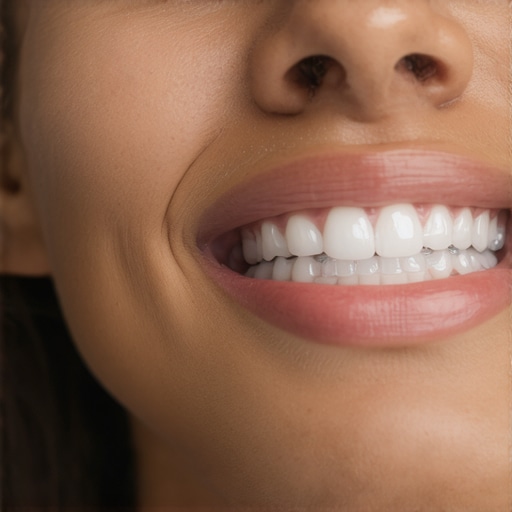
Picture this: you sit in your chair, tray in place, expecting that familiar smooth sensation. Instead, you feel a tightness in your jaw — a sensation that sharpens with every blink. It’s almost as if your mouth is protesting the new Invisalign tray. Trust me, I’ve been there, and it caught me off guard too. That sudden discomfort can be both confusing and concerning, especially when you’re eager to keep your smile on track.
Why Does My Jaw Feel Tight After Switching Invisalign Trays?
That tightness isn’t just in your head — it’s your body trying to adjust to a new set of aligners. When you switch to a fresh tray, especially if it’s a tighter fit, your jaw muscles respond instinctively. Many people don’t realize that the pressure exerted by Invisalign is deliberately designed to guide teeth into proper alignment over time, but a sudden change can feel disruptive. It’s like your jaw is saying, “Hold on, what’s this new sensation?”
Early in my Invisalign journey, I made a mistake I see many others make: I ignored the initial tightness and kept pushing forward without understanding my body’s signals. That only made the discomfort worse and led to unnecessary worry. Once I realized that this feeling was a normal part of the process — a sign that my trays were doing their job — I learned to manage it more effectively. According to recent studies, many patients experience temporary jaw soreness or tightness as their teeth adjust to new aligners; this is entirely typical and usually resolves within a few days.
If you’re experiencing this tightness, don’t fret. It’s part of the natural adjustment, but there are steps you can take to ease your discomfort. Next, we’ll explore practical solutions to make this transition smoother and help you regain comfort in your daily routine.
Would You Recognize the Signs of a Misaligned Bite or Just Normal Adjustment?
One common mistake I made early on was assuming any discomfort meant something was wrong. It’s easy to jump to worry, but understanding what’s normal versus what needs professional attention is crucial. If you’re unsure, visiting your dentist is always the best move. For personalized advice or to schedule a check-up, you can contact us through our contact page.
Assessing Your Comfort Level and Recognizing Normalcy
Start by noting the intensity of your jaw tightness. Remember my mistake of ignoring initial discomfort, which worsened the soreness. Instead, monitor whether the tightness is mild, increasing, or persistent beyond a few days. It’s vital to differentiate between normal adaptation and signs needing professional input. As you experience tightness, consider that it’s part of the teeth aligning process, much like how a new set of shoes needs breaking in. If discomfort seems severe or lasts longer than a week, contact your dentist immediately through our contact page.
Adjust Your Eating and Chewing Habits
For immediate relief, switch to soft foods during this adjustment phase. Think of your mouth like a delicate machine; forcing it to perform heavy-duty tasks can exacerbate soreness. Steer clear of chewy, crunchy, or sticky foods that add extra strain. Instead, opt for smoothies, mashed potatoes, or yogurt. I once tried eating caramel popcorn, which instantly worsened my jaw pain; after switching to liquid meals for a few days, my discomfort eased significantly. This simple change reduces unnecessary stress on your jaw muscles and allows your tissues to adapt gradually.
Apply Gentle Techniques to Ease Tension
Use warm compresses on your jaw area to promote blood flow and relax muscles. Gently massaging your jaw joints in circular motions can also release tension. Consider performing specific jaw stretches—open and close your mouth slowly, then gently move your jaw side to side. These steps are akin to stretching a tense muscle before a workout, helping prevent stiffness. Consistent, gentle yoga-like movements for the jaw have shown to reduce soreness in many patients.
Modify Your Nighttime Routine for Better Comfort
Nighttime jaw tension might be worsened by teeth grinding or clenching, often occurring subconsciously. Wearing a custom night guard can significantly decrease strain, much like a shock absorber in a car absorbs bumps. If you don’t already wear one, discuss this with your dentist or explore options through our contact page. Also, avoid caffeine or stimulants before bed, as they can increase muscle tension. During my Invisalign phase, I started sleeping on my back and avoided yawning too widely, which helped reduce bedtime discomfort.
Communicate with Your Dental Professional
If tightness persists, it’s crucial to involve your provider. Schedule an appointment either online or by calling — visit our contact page. A professional can assess whether the new tray fits correctly or if an adjustment is necessary. Sometimes, a simple refinement can alleviate discomfort, much like fine-tuning a guitar string for perfect sound. Remember, proactive communication can prevent minor issues from escalating into more significant setbacks.
Incorporate Lifestyle Adjustments
Incorporate relaxation techniques like deep breathing exercises or meditation to reduce overall muscle tension. Also, avoid chewing gum or biting on pens or other objects as these habits can increase jaw strain. These small lifestyle shifts contribute to a more comfortable orthodontic journey—similar to tuning your car’s suspension for smoother rides. Over time, these methods will help your jaw muscles adapt more comfortably to the new aligners.
When it comes to oral health and restorative treatments, many people hold misconceptions that can hinder their decision-making or lead to unexpected results. Let’s dig deeper and shed light on some overlooked aspects that even experienced patients often overlook. Recognizing these nuances can save you time, money, and discomfort in the long run.
Why Most Believe Crowns Are Just Cosmetic, Not Functional
Many assume that dental crowns are purely for aesthetics, but their true power lies in restoring and strengthening damaged teeth. A common myth is that crowns are fragile or overkill for minor issues. In reality, high-quality crowns, especially those crafted from zirconia or porcelain fused to metal, provide durability comparable to natural teeth and prevent further deterioration. Understanding the material’s strength and the importance of proper placement is crucial. For example, choosing a crown without considering occlusion can lead to bite problems down the line. Visit our article on crowns to gain insights into their true purpose and long-term benefits.
Invisalign: More Than Just Convenience or Beauty
Many people think Invisalign is a mere cosmetic fix, but its benefits extend to preserving oral health and avoiding the complications associated with traditional braces. A common mistake is underestimating how important compliance is—wearing trays at least 20 hours daily is vital for predictable results. Furthermore, advanced users know that minor attachments and refinement trays are sometimes necessary, which isn’t always obvious initially. For serious bite issues or complex misalignments, Invisalign might require supplementary treatments or even traditional orthodontics. Check out this detailed overview on Invisalign innovations to understand its full potential.
Are Your Oral Habits Sabotaging Your Dental Plans?
Beyond the obvious concerns, habits like nail-biting, teeth grinding, or chewing on ice can drastically affect restorative work and orthodontic outcomes. Even frequent mouth breathing can lead to dry mouth, increasing the risk of cavities and gum disease. Being aware of these behaviors and addressing them with your family dentist can prolong the life of your treatments. For comprehensive advice, explore family dentistry trends that focus on holistic care, including habit modification.
The Trap of Ignoring Early Warning Signs
Another prevalent mistake is neglecting subtle discomfort or early signs of oral issues. Small cracks, sensitivity, or slight misalignments often seem insignificant but can escalate into major problems if overlooked. For instance, ignoring a loose crown or persistent gum bleeding can lead to infections or tooth loss. A proactive approach—regular check-ups and prompt attention—can prevent these ‘hidden’ issues from snowballing. Remember, early intervention is key; issues are often much easier and less invasive to treat in initial stages. To get ahead, review our comprehensive guide on crowns and maintenance.
Key Takeaway: Knowledge Empowers Your Dental Choices
Let’s be honest—dental treatments are complex and personalized. The nuances I’ve mentioned can make the difference between long-lasting health and recurring problems. The more you understand about the materials, techniques, and your own habits, the better your outcomes will be. Do your research, ask your dental professional the right questions, and never settle for superficial answers. Have you ever fallen into this trap? Let me know in the comments.
Keeping Your Dental Restorations and Orthodontics in Top Shape
Achieving a healthy, beautiful smile is only part of the journey; maintaining it over the years requires the right tools and practices. From crowns to Invisalign, investing in quality equipment and adopting effective routines ensure long-lasting results. I personally rely on advanced digital scanners like the iTero Element 5D, which provides high-precision intraoral scans for monitoring dental progress and detecting early issues before they become major problems. These scanners enable me to plan refinements for Invisalign with unparalleled accuracy, ultimately saving time and reducing discomfort for my patients.
In addition to digital tools, I use professional-grade cleaning devices like the Sonicare DiamondClean Smart toothbrush, known for its superior plaque removal and gum health benefits. Its multiple brushing modes and app integration help patients develop consistent habits and track their progress. For effective maintenance of crowns, I recommend zirconia-based restorations from trusted laboratories, paired with custom-fitted night guards to prevent damage from grinding or clenching. Regular at-home flossing tools like WaterFlossers complement professional cleaning, especially for patients with braces or implants.
How do I maintain my dental work over time?
Proper maintenance combines daily oral hygiene with scheduled professional care. Consistent brushing with proven tools, like electric toothbrushes equipped with pressure sensors, prevents undue wear on crowns and restores natural tissue health. Routine check-ups should include digital radiographs to monitor underlying structures, detecting silent issues such as microleakage around crowns or early bone loss around implants. Staying proactive with maintenance not only prolongs the life of restorations but also preserves overall oral health, reducing future treatment costs. For a comprehensive overview of modern techniques, explore our latest insights.
As dental technology advances, we’re moving toward even smarter solutions. Emerging tools like AI-driven diagnostics and laser-based cleaning systems promise minimally invasive, highly effective care. Embracing these innovations today prepares your mouth for a healthier, more comfortable future. To see how cutting-edge equipment can benefit your family’s oral health, contact us through our contact page and schedule a consultation.
Scalability and Long-Term Results
For families aiming to manage oral health efficiently, integrating reliable tools provides consistency across generations. Digital records and patient portals enable tracking progress over years, making it easier to notice patterns and plan preventative treatments. Using software like Dolphin Dental Studio, I coordinate care plans, monitor appliance wear, and customize home routines. These systems foster collaboration between patient and provider, simplifying long-term care. Looking ahead, I predict a shift toward fully integrated, AI-powered health management platforms that will personalize dental care on an unprecedented level.
Enhancing your maintenance routine with these advanced tools ultimately leads to a healthier, more confident smile. Try incorporating a high-tech intraoral scanner into your routine, or ask your dentist about AI diagnostics, and see the difference yourself.
Three Surprising Truths I Wish I Knew About crowns,invisalign,oral health,family dentistry
One of my biggest lightbulb moments was realizing that biting down more firmly on your tray doesn’t necessarily speed up the process—it can actually increase discomfort. Patience is key. Secondly, I discovered that integrating digital tools like intraoral scanners helps catch subtle issues early, saving time and money. Lastly, I learned that comprehensive family-based care fosters more consistent oral health habits, benefiting everyone and making long-term success more achievable.
My Go-To Arsenal for Complete Dental Care
For anyone serious about maintaining crowns, Invisalign, and overall oral health, I rely on high-quality digital diagnostics like the latest Invisalign innovations. A sturdy electric toothbrush such as the Sonicare DiamondClean Smart keeps my gums healthy. When evaluating crowns, I trust materials like zirconia from top labs, ensuring durability. Finally, I recommend the latest family dentistry resources to stay ahead of practice advancements that benefit all ages.
Your Smile’s Next Chapter Starts Today
Embarking on or continuing your dental journey with crowns, Invisalign, or family dentistry isn’t just about aesthetics—it’s about empowering your confidence and health. Every step you take today can lead to resilient, trouble-free smiles tomorrow. Don’t let uncertainty hold you back—reach out via our contact page and begin your transformation. Remember, a brighter, healthier smile awaits those who choose to take action now.