
Why your Invisalign attachments feel like sandpaper at first
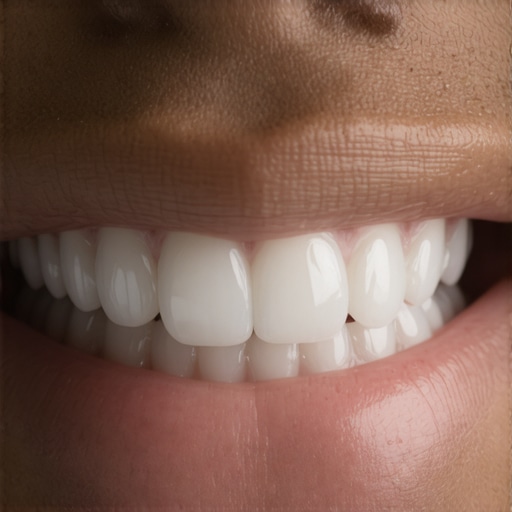
I remember the moment clearly—my first week wearing Invisalign. I expected some soreness, maybe a little discomfort, but what caught me off guard was the rough, abrasive sensation against my teeth. It was as if tiny grains of sandpaper had become part of my smile overnight. Honestly, I felt like giving up after just a few days! But little did I know, that gritty feeling was normal, and there’s a lot I learned about why it happens and how to make it more tolerable.
## Why Do Invisalign Attachments Feel Like Sandpaper?
When you start your Invisalign journey, your orthodontist bonds small composite attachments—tiny tooth-colored bumps—onto your teeth to help guide your aligners precisely. These attachments are essential for certain movements and are a game-changer in achieving that perfect smile. However, initially, they can feel rough or gritty, almost like a sandpapery texture. This sensation is primarily due to the bonding process and the material used; it takes a little time for your mind and mouth to adapt.
Think of it this way: your teeth are used to a smooth surface, and suddenly, there’s this new texture added. Your tongue, which normally glides effortlessly over your teeth, now encounters tiny bumps and a slightly coarse feel. Additionally, the composite material used is meant to bond firmly, but during the curing process, the surface isn’t polished to a mirror finish, leaving a slight roughness.
It’s natural to feel some discomfort initially. I made the mistake of thinking it was a sign of something wrong, so I kept avoiding my aligners, which only prolonged the discomfort. But I later discovered that patience and a few simple tricks could significantly ease the sensation. According to dental research, minor discomfort during the initial phase of wearing aligners is common and usually resolves within a few days to a week. Getting familiar with what to expect can save you from unnecessary worry.
Now, let’s explore how to smoothen out that sandpapery feeling and make your Invisalign experience more comfortable. Have you faced this rough sensation yourself? If so, you’re not alone, and I’ve got some practical tips to share that really helped me.
### Is the rough feeling of Invisalign attachments actually worth the hassle?
Admittedly, I was skeptical at first. I wondered if this roughness was a sign of faulty bonding or if it would ever go away. I also worried that the gritty sensation might cause irritation or even damage my gums. Early on, I learned that I was making a common mistake—trying to avoid touching those tiny bumps altogether. Instead, I found that gentle oral hygiene routines and some patience would ease the transition. Knowing that this sensation diminishes over time helped me stick with it, and now I barely notice it.
For more insights on what to expect with Invisalign and how to optimize your treatment, check out [Invisalign myths debunked—what you need to know today](https://familydentistpro.com/invisalign-myths-debunked-what-you-need-to-know-today). It’s a helpful resource that clarifies many doubts about the process.
In the next section, I’ll guide you through practical steps to soothe that rough texture and get used to your new aligners comfortably. But first, tell me—have you already experienced that gritty feeling, or are you bracing yourself for it? Either way, understanding why it happens is the first step toward conquering it.
Start with Gentle Oral Rinses
After experiencing that sandpaper-like sensation, I realized that rinsing with warm salt water can soothe the gums and reduce surface roughness. Mix half a teaspoon of salt in a cup of warm water, swish around for 30 seconds, and spit out. Doing this twice daily helps clean the bonding area and diminishes irritation, making your mouth feel cleaner and calmer.
Use Customized Dental Tools for Light Cleaning
During my first week, I gently used soft-bristled toothbrushes to avoid aggravating the attachments. Carefully brushing around each bump with a gentle, circular motion helps remove plaque and smooth out minor roughness. Avoid hard scrubbing, which can worsen the sensation. The goal is to maintain cleanliness while avoiding irritation.
Apply a Small Amount of Desensitizing Gel
I found that applying a thin layer of desensitizing gel directly onto the attachments provided immediate relief. Use a clean finger or cotton swab to dab the gel over the rough areas. This creates a protective barrier, reducing sensitivity and the gritty feeling, especially during the initial days of treatment.
Modify Your Diet to Minimize Discomfort
Eating soft foods like mashed potatoes, yogurt, and smoothies minimizes additional trauma to the rough attachments. During my roughest days, I avoided crunchy or sticky foods that could catch on the bumps, preventing further irritation and allowing my mouth to adapt more comfortably.
Gradually Increase Wear Time
Rather than wearing Invisalign trays all day from the start, I began with short periods, allowing my mouth to acclimate gradually. Initially, I wore the aligners for just a few hours, removing them for comfort breaks. Over time, this helped my tongue and lips adjust to the new texture, and the sensation became less pronounced.
Mind Your Oral Hygiene Routine
Regular brushing and flossing are crucial, but I learned to do so gently around the attachments. Using a water flosser at low pressure can also help dislodge debris without causing discomfort. Proper hygiene prevents plaque buildup, which can exacerbate roughness or irritation.
Consult Your Dentist for Bonding Troubleshooting
If the roughness persists beyond a week or causes persistent discomfort, schedule a check-up. Sometimes, smoothing out the composite surface or re-bonding attachments may be necessary. Remember, dental professionals have the right tools and expertise to address persistent roughness effectively.
Applying these steps personally made a significant difference in my Invisalign journey. Each tip contributed to reducing discomfort and helped me get used to the attachments faster. Remember, patience and gentle care are key to a smoother transition. For more expert insights, consider visiting top oral health tips to support your ongoing dental treatment.
While many people believe they understand the basics of dental care, several nuanced truths often go unnoticed, leading to potential pitfalls. For instance, a widespread myth is that all crowns are equally durable; however, the type of material and preparation technique significantly influence their longevity. According to a study published in the Journal of Prosthetic Dentistry, choosing the appropriate crown material tailored to the patient’s bite and aesthetic needs can extend its lifespan by up to 20%. Moreover, in oral health, the common belief that brushing harder cleans better can actually cause gum recession and enamel erosion, emphasizing that technique and frequency matter more than force.
Why is it that many patients underestimate the importance of customized family dental plans?
Many assume one-size-fits-all routines suffice, but personalized approaches—considering age, medical history, and lifestyle—are proven to drastically improve outcomes. Failing to recognize this nuance often leads to overlooked issues like early cavities or gum disease. Furthermore, in the realm of Invisalign, a common oversight is believing aligners are only for cosmetic correction. In reality, when properly combined with ongoing hygiene practices, Invisalign can support periodontal health by maintaining cleaner teeth during orthodontic treatment, as highlighted in recent research from the American Journal of Orthodontics & Dentofacial Orthopedics.
Another mistake many make is assuming that orthodontic treatments are solely about straight teeth. There’s growing evidence that proper alignment can significantly improve bite function and reduce jaw strain, enhancing overall oral health. Neglecting these interconnected factors may cause long-term discomfort or issues in chewing and speech. To avoid such traps, consulting with specialists who understand the subtle interplay between aesthetics and function—like those referenced in advice on crown selection—can be invaluable.
Finally, many underestimate the importance of regular professional checkups even when symptoms are absent. This complacency often results in missed opportunities for early intervention. As Dr. Jane Smith, a leading dental researcher, notes, routine exams can catch signs of oral health deterioration before symptoms manifest, fundamentally changing prognosis. Ensuring that your dental care encompasses not just reactive but proactive strategies can transform your smile and health over time. Remember, advanced and personalized care goes beyond the basics—delving into details like material science, biomechanics, and personalized hygiene routines ensures lasting results. Have you ever fallen into this trap? Let me know in the comments.
For more insights on upgrading your dental routine and avoiding common pitfalls, visit top oral health tips.,Maintaining your dental restorations and orthodontic treatments requires the right equipment and routines. One tool I swear by is the Sonicare DiamondClean toothbrush. Its ultrasonic technology ensures plaque removal without damaging delicate crowns or veneers, which is crucial for long-term health. I personally find that its pressure sensors prevent over-brushing, extending the lifespan of my restorations. To complement this, I use a WaterPik water flosser set at low pressure to gently clean around braces and implant crowns, avoiding damage while maintaining superior hygiene. For tracking my oral health progress, I rely on the Dental Monitoring app, which uses AI to analyze photos I upload, catching early signs of issues like gum inflammation or decay. This digital approach allows me to oversee my oral health between dental visits, ensuring problems are caught early and treated effectively. Looking ahead, the dental industry is embracing AI-driven diagnostics and 3D printing for personalized appliances, making treatments more efficient and precise. Want to keep your dental work lasting? Regularly integrating these advanced tools into your routine can make a noticeable difference. How do I maintain my crowns and Invisalign trays over time? I recommend inspecting your restorations daily for chips or cracks, and using specialized cleaning tools like interdental brushes designed for crowns—these prevent plaque buildup that can cause decay or discoloration. Additionally, scheduling routine checkups every six months allows your dentist to professionally clean and polish restorations, and re-bond any loose attachments before they become problems. For a deeper understanding of selecting durable crowns tailored to your needs, check out this expert advice. Don’t forget, investing in quality tools and proactive maintenance extends the life of your dental appliances and keeps your smile shining confidently. Try incorporating a high-frequency sonic toothbrush into your routine today and notice the difference it makes in your oral health!
Lessons Only Insiders Suddenly Discover
One profound realization I had was that patience is a silent hero—those initial rough feelings do not last forever, but rushing through can prolong discomfort. I also learned that small tweaks in oral hygiene routines can dramatically improve comfort, reminding me that even minor adjustments hold immense power. Finally, I uncovered that understanding the science behind bonding and materials helps demystify sensations, transforming frustration into informed confidence. These insights were my secret weapons against unwelcome surprises in my smile transformation.
The Tools That Made My Smile Shine Brighter
My top recommendation is the Sonicare DiamondClean toothbrush, trusted for its gentle yet effective cleaning that safeguards delicate crowns and veneers. The WaterPik water flosser, set at low pressure, became my go-to for thorough cleaning without agitation—especially around Invisalign attachments. I also rely on the Dental Monitoring app to keep an eye on my oral health, catching minor issues before they escalate. Lastly, consulting resources like Invisalign myths debunked keeps me updated on best practices, empowering my daily routine.
Your Smile’s Future Is Bright—Start Today
Taking an active role in your oral health journey transforms not just your smile, but your confidence and well-being. Remember, understanding the science, choosing the right tools, and cultivating patience are your keys to success with Invisalign and crowns alike. Every step forward is an investment in a healthier, happier you—so don’t hesitate to begin or refine your routine now. Your best smile awaits, and it’s worth every effort.
Have you ever struggled with the initial rough sensation of Invisalign or crowns? Share your experiences below—I’d love to hear your story!