
The best way to whiten teeth if you have existing fillings
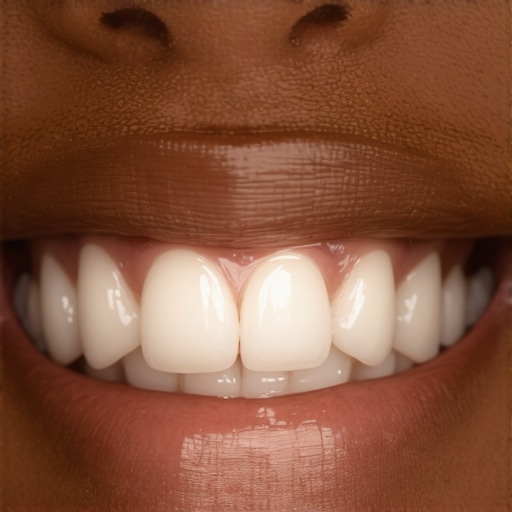
Ever caught a glimpse of your reflection and felt a pang of disappointment because your teeth don’t look as bright as they used to? Maybe you’ve tried whitening toothpaste or strips, only to notice your smile isn’t quite as radiant—especially around those telltale fillings. I remember the lightbulb moment when I realized some whitening methods just aren’t made for everyone, particularly if you have existing dental restorations like fillings or crowns. It was frustrating to put in so much effort only to see uneven results, which made me question: What’s the safest way to whiten teeth with fillings?
Understanding Why Teeth Whitening Isn’t One-Size-Fits-All
Whitening your smile sounds simple enough, but if you have existing fillings, the story becomes trickier. Dental work like amalgam fillings, composites, or crowns doesn’t respond to whitening agents the same way natural enamel does. This means that while your teeth might become brighter, those fillings stay the same color, creating a mismatched grin. I made the mistake early on of trying over-the-counter whitening products without considering this, resulting in uneven stains and a lot of disappointment. It’s important to recognize that the enamel and the restorative materials react differently to whitening, which can lead to an unnatural look if not handled carefully.
Has Whitening Left You Frustrated or Worried About Damage?
Many people are skeptical about whitening treatments, especially after hearing warnings about potential damage or sensitivity. I was initially concerned about harming my dental work, which kept me from exploring safe options. Did you know that some whitening agents can cause the existing fillings to deteriorate or even lead to more sensitivity? Studies have shown that improper whitening can weaken certain restorations or cause uneven coloration, making the entire process feel like a gamble. That’s why understanding the right approach—preferably with professional guidance—is crucial to keep your smile healthy and looking natural.
If you’re sitting there thinking, “I want a brighter smile, but I’m afraid to mess up my fillings,” you’re not alone. Fortunately, there are effective, safe strategies designed specifically for those with dental restorations. In the next sections, I’ll share some tips and tricks, backed by dental experts, to help you achieve that luminous smile without compromising your fillings. If you’ve faced this dilemma, stay tuned—you’re about to discover solutions that actually work.
Evaluate Your Dental Restorations Before Whitening
Begin by consulting with your dentist to identify the types of restorations you have, such as amalgam fillings, composite resins, or crowns. During my last visit, I specifically asked my dentist about my composite fillings, which I knew could react differently to whitening agents. This initial assessment ensures you choose the safest whitening method tailored to your dental work.
Select a Dentist-Supervised Whitening Treatment
Opt for professional whitening services rather than over-the-counter products. My experience with a professional in-office whitening session was much smoother—my dentist used a controlled application of safe bleaching agents, minimizing risks to my restorations. Schedule a detailed consultation to discuss your options, especially if you have fillings or crowns.
Avoid Harsh Whitening Products
Steer clear of high-peroxide over-the-counter options, which can cause uneven coloring and damage. Instead, your dentist might recommend lower-strength bleaching gels or custom trays designed to protect restorations. Remember, it’s about quality, not just cost or convenience.
Implement Proper Oral Hygiene Habits
Maintain excellent oral hygiene to ensure optimal results. Brush twice daily with a soft-bristled toothbrush and non-abrasive toothpaste, focusing on gentle cleaning around restorations. During my routine, I added flossing and used an antibacterial rinse to keep my gums healthy and prepare my mouth for whitening.
Targeted Whitening Strategies for Restorations
Consider alternative whitening options like veneers or crowns if you desire more uniform results. For example, I learned that veneers can be color-matched for an even smile, which can be a worthwhile investment. For less invasive options, your dentist may also recommend whitening toothpaste or laser whitening, always ensuring restorations are protected.
Monitor and Address Uneven Results
After whitening, compare the shades of your natural teeth and restorations. If you notice mismatched colors, discuss corrective procedures with your dentist, such as replacing discolored fillings or crowns. I experienced slight mismatch initially, but my dentist adjusted my plan, ensuring a natural look.
Regular Follow-Ups and Maintenance
Schedule routine dental check-ups to monitor your restorations and overall oral health. Consistent professional cleanings prevent stain buildup, which is crucial for maintaining the whitening results. Keep in mind that lifestyle choices like avoiding coffee or tobacco can prolong the brightness of your smile.
Many assume that visiting the dentist regularly and brushing diligently are enough to ensure optimal oral health. However, a common misconception is that all dental treatments and advice apply universally, which isn’t the case. For instance, the idea that orthodontic treatments like traditional braces are always better than innovations such as Invisalign isn’t accurate—each has its merits depending on individual needs. A significant nuance often missed is the importance of understanding personalized treatment plans, especially when it comes to crowns or restorative procedures. While some believe that any crown will do, the choice between crowns vs. veneers, for example, can impact long-term health and aesthetics, as detailed in our comprehensive comparison.[https://familydentistpro.com/crowns-vs-veneers-which-is-better-for-your-smile-cure-at-429-pm] Not recognizing the subtle differences can lead to unnecessary revisions or compromised results. Moreover, there’s a prevalent myth that family dentistry only addresses kids’ oral health. In reality, family dentists are trained to manage complex procedures for all ages, including advanced restorative work and cosmetic enhancements. Overlooking this can mean missing out on the benefits of continuous, personalized care from a trusted provider. An advanced mistake many still make is neglecting to evaluate the specific materials used in crowns or fillings—some materials react differently to whitening or temperature changes, possibly causing discomfort or aesthetic mismatches.[https://familydentistpro.com/why-crowns-are-a-game-changer-in-restorative-dentistry]
What do I need to know about the latest innovations in family dentistry that can truly impact my health?
Recent advances like digital smile design and laser dentistry are revolutionizing how we approach oral health. These technologies enable more precise, minimally invasive procedures, reducing healing time and improving outcomes. For example, modern orthodontic options such as Invisalign are now integrated into family dentistry practices, offering discreet and efficient solutions for all ages. If you want to learn more about how Invisalign transforms family dental care, check out our detailed guide at [https://familydentistpro.com/the-hidden-benefits-of-invisalign-for-family-dental-care-in-2025-at-903-am]. Always prioritize a proactive approach—regular check-ups, personalized treatment plans, and embracing technological innovations can drastically improve your oral health journey. Have you ever fallen into this trap? Let me know in the comments.
Maintaining your dental tools and appliances is crucial for ensuring long-term success in oral health and cosmetic procedures like crowns and Invisalign. Personal experience has shown me that investing in quality tools and adhering to proper maintenance routines significantly extend their lifespan and effectiveness. By regularly inspecting and properly cleaning your equipment, you can prevent issues that lead to costly replacements or treatment setbacks.
Why Regular Tool Maintenance Matters
Dental tools such as whitening trays, orthodontic aligners, and even crowns benefit from routine attention. Wear and tear, residue buildup, and environmental factors can compromise their function over time. For example, I found that gently cleaning my Invisalign trays with a soft toothbrush and mild dish soap after each use kept them clear and odor-free, which is essential for maintaining their transparency and comfort. Experts recommend using specific cleaning solutions designed for dental appliances to avoid damaging the material, as highlighted in this guide on Invisalign maintenance.
Tools I Rely On Daily
For at-home maintenance, I swear by ultrasonic cleaners that use vibrations to remove debris from appliances. They are a game-changer, reducing bacterial buildup and extending the appliance’s lifespan. Additionally, a high-quality, soft-bristled toothbrush dedicated solely to your dental appliances prevents cross-contamination and keeps devices in top shape. For crowns and veneers, diligent oral hygiene combined with regular professional check-ups ensures they remain intact and aesthetic for years. Visiting your dentist periodically can detect early signs of wear or issues, saving you big in the long run.
Predicting Future Trends in Tool Preservation
Looking ahead, digital monitoring tools embedded in some advanced dental devices might soon alert us when maintenance is due or when a component begins to wear out. For now, leveraging technology like smartphone apps linked with dental health systems can prompt timely care, making tool management more seamless. As innovations progress, staying informed through trusted sources like this article on modern dental techniques will keep you ahead in maintaining your appliances effectively.
How do I keep my dental tools working well over the years?
Establish a routine for thorough cleaning after each use, store appliances in protective cases, and schedule regular professional inspections. Using sterilization solutions approved by dental professionals can prevent deterioration and bacterial growth. Regularly replacing worn components, like Invisalign buttons or retainers, ensures optimal fit and function. Remember, proper maintenance not only prolongs the life of your tools but also safeguards your oral health and enhances treatment durability. For personalized advice, don’t hesitate to consult your dentist—just visit our contact page to get started. Take these steps today and enjoy sustained, beautiful results.
Throughout my journey to a brighter smile, I uncovered some hidden truths that transformed the way I approach whitening with existing dental work. One major lesson was realizing that trusting DIY whitening kits without professional guidance can lead to uneven results or damage—especially if you have fillings or crowns. It’s like trying to repaint a room without knowing the underlying wall color; the outcome can be unpredictable. My lightbulb moment was understanding the importance of personalized advice, which led me to prioritize expert-led treatments.
What My Dentist Revealed About Restorations and Brightness
I learned that not all restorations respond equally to whitening. For example, amalgam fillings tend to darken or discolor when exposed to bleaching agents, making mismatched smiles inevitable if you’re not cautious. This insight made me appreciate the value of comprehensive dental evaluations before I attempted any whitening procedures. It also underscored why a tailored approach—like selecting the right whitening products or considering veneer options—can make all the difference in achieving a natural, harmonious look.
How I Discovered the Power of Professional Supervision
Switching from over-the-counter products to professional treatments was a game-changer. My dentist used low-peroxide gels during in-office sessions, which minimized risks to my restorations while delivering effective results. The controlled environment meant I didn’t have to worry about uneven coloring or damaging my fillings. This experience reinforced that seeking expert guidance is an investment in both health and aesthetics, especially when restorations are involved. If you’re considering whitening, I recommend exploring professional options for optimal safety.
Why Maintaining Your Restorations Matters After Whitening
Post-whitening care isn’t just about avoiding stain buildup; it’s also about preserving the integrity of your dental work. I found that regular check-ups helped monitor the color match and condition of my restorations. Using non-abrasive toothpaste and avoiding stain-causing foods extended my results. This realization taught me that ongoing maintenance—like professional cleanings and being mindful of lifestyle choices—can keep my smile radiant longer. Personalized advice from your dentist can help create a plan that protects your investment in dental health and beauty.
My Journey to a Harmonious Smile
Looking back, the most valuable insight I gained is that there’s no one-size-fits-all solution for whitening when you have fillings or crowns. Embracing expert guidance, tailored treatments, and proper maintenance has allowed me to enjoy a confident smile. Remember, your dental team’s personalized approach can help you avoid common pitfalls and ensure your smile remains both healthy and stunning. To explore options that suit your unique needs, consider consulting your family dentist or visiting their contact page.
Discover the Hidden Wisdom That Changed My Outlook
- Choosing professionalism over DIY products prevents uneven discoloration and potential damage—trust me, it’s worth it.
- Understanding how different restorations respond to whitening helps set realistic expectations and plan for future repairs or replacements.
- Regular assessments of your dental work post-whitening can save you from surprises down the road and keep your smile cohesive.
- Incorporating lifestyle habits like reducing stain-causing foods and maintaining excellent oral hygiene sustains your results longer.
Your Bright Future Begins Now
While the journey to a radiant smile with restorations may seem complex, the right knowledge and expert support make all the difference. Your smile is an investment worth protecting and enhancing—so take that next step confidently. If you’ve ever hesitated because of concerns about your fillings or crowns, remember that personalized dental advice can unlock the best solution for you. Don’t wait—start your journey today and embrace the brighter, more natural smile you deserve. I’d love to hear: have you ever experienced uneven whitening results? Share your story below!
,