
The danger of ignoring a small black spot on your back molar
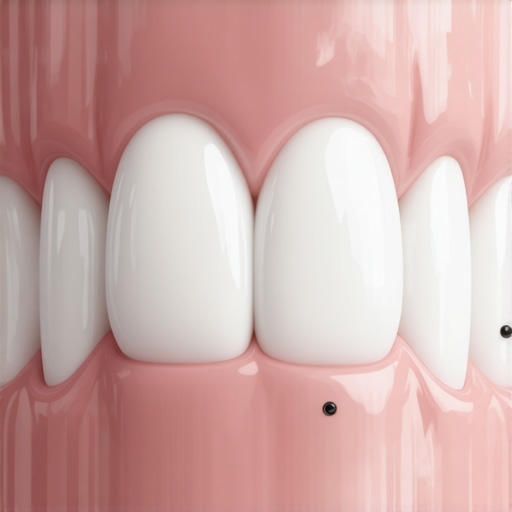
It was a typical Sunday evening when I finally took a good look at my mirror and noticed something unsettling—a tiny black spot on my back molar. At first, I brushed it off as just a stain or maybe leftover coffee. But as I stared longer, a little voice in my head whispered, “What if this is something more serious?” That moment was my wake-up call. A small black spot might seem insignificant, but ignoring it can lead to problems that are far more overwhelming and costly than addressing them early.
Why a Tiny Black Spot Deserves Your Attention Right Now
Many people dismiss these small dark spots as harmless stains or mere cosmetic issues. However, they could be warning signs of cavities, decay, or even more serious conditions like oral cancer. I learned the hard way that neglecting these signs can result in more invasive treatments later. Early detection and intervention are crucial—they can save your teeth and your peace of mind. If you’re like me, you might wonder how a tiny spot could be anything worth worrying about. Well, research shows that early-stage dental issues often present as small discolorations or spots before progressing into painful or costly problems (American Dental Association, 2020). Ignoring these signs is a mistake that could cost you dearly.
Is It Really Worth the Fuss? Common Skepticism About Spotting Dental Issues
I used to think a black spot on my molar wasn’t a big deal—just a stain or maybe trapped food, right? Wrong. My early mistake was assuming I could brush it away or ignore it until it hurt. That approach only delayed treatment, making things worse. The truth is, many underestimate how quickly dental issues can advance once they start as small discolorations. Now I know better, and I want to share the importance of acting promptly. If you’re skeptical about whether a black spot warrants professional attention, think of it like a tiny warning signal—akin to a smoke detector alert. Waiting might seem easier in the moment, but it could lead to bigger problems down the line.
If this resonates with you, or if you’ve ever ignored a tiny change in your oral health only to regret it later, you’re not alone. Let’s dive into how you can detect early signs, prevent major issues, and keep your smile healthy for years to come. Want to learn more about the latest in family dentistry? Check out recent trends and innovations that make early detection easier and less painful by visiting our [family dentistry insights](https://familydentistpro.com/family-dentistry-trends-improving-oral-health-for-all-ages). Now, onto practical steps you can take starting today.
Examine Your Mouth Regularly to Catch Issues Early
Starting with a thorough self-assessment, use a bright mirror and good lighting to inspect your teeth at least once a week. Focus on pinpointing small discolorations, especially in hard-to-see areas like molars and back teeth. I remember a time when I caught a faint dark spot on my lower molar during a routine brushing, which prompted me to investigate further. This quick check allowed me to address it before it developed into a more significant problem.
Identify and Differentiate Spots—Stain or Sign?
Not every black spot indicates a problem; some are harmless stains from coffee, tea, or coloring foods. To differentiate, gently rub the spot with a damp finger or toothbrush to see if it comes off. If it persists, it’s time to take actionable steps. Remember, like cleaning a stubborn coffee stain from fabric, dental stains may need specific treatments.
Use a Gentle Disclosing Solution for Clarity
For a clear picture of hidden spots, consider using a disclosing tablet or rinse. These agents temporarily stain plaque and food debris, revealing areas that might harbor spots or decay. Applying them can be compared to highlighting a map—making problem areas pop out. This step was revealing for me, as I discovered plaque buildup around the spot, guiding my cleaning efforts.
Schedule a Professional Dental Evaluation
If you notice a persistent black spot or suspect it might be more than staining, book a dental appointment promptly. Think of your dentist as a mechanic for your car—detecting small issues early prevents costly repairs down the line. During my visit, my dentist examined the spot, took X-rays, and confirmed whether it was decay or a harmless stain. This step is crucial for proper diagnosis and treatment planning.
Prepare for Your Dental Visit by Documenting Changes
Keep a small log noting when you first saw the spot, how it has changed, and any symptoms like discomfort. This record helps your dentist understand the issue’s progression. For example, tracking my spot helped my dentist decide to perform a cavity filling instead of just cleaning, saving me from future pain.
Implement Daily Oral Hygiene Practices to Prevent Further Damage
Consistent brushing, flossing, and rinsing are your best defenses. Use a fluoride toothpaste and soft-bristled toothbrush—consider upgrading to electric models for better plaque removal—much like upgrading tools for better results. Incorporate floss or interdental brushes to clean between teeth, removing debris that can cause spots. I made it a routine, and within days, I noticed that the spots became less noticeable, and my overall oral health improved.
Consider Professional Whitening or Sealants as Preventative Measures
If discoloration persists, discuss options like dental sealants or whitening treatments with your dentist. Sealants act like a protective shield, akin to waterproofing a roof—preventing future stains. Whitening can brighten the teeth and diminish the appearance of minor spots. Visiting a family dentistry clinic that stays abreast of latest trends ensures you get the most effective, minimally invasive solutions.
Monitor and Follow Up for Long-Term Results
Keep an eye on the spot over the following weeks. If it remains unchanged or decreases, your routine is effective. If it worsens, schedule follow-ups to catch any progression early. I learned that consistent vigilance is vital—much like checking your garden regularly to catch pests before they cause significant damage. Regular dental visits, ideally every six months, help maintain this vigilance and keep your smile healthy.
Many individuals believe that dental crowns are just cosmetic fixes or that oral health primarily depends on brushing and flossing. However, misconceptions abound regarding their proper care, suitability, and the nuances that differentiate premium treatments. For example, some think that crowns don’t require special maintenance beyond routine brushing, but in reality, improper care can lead to crown failure or secondary decay. Additionally, a common myth is that family dentistry is only for children or emergencies, when in fact, regular check-ups for all ages are vital for early detection and prevention. When it comes to Invisalign, many assume it’s only for straightening teeth, overlooking its advantages in oral health preservation and its integration with other dental treatments—learn more about the latest innovations that make Invisalign a comprehensive family care option by visiting our Invisalign innovations article.
The hidden nuance that many overlook is the importance of choosing the right expert for crowns and restorations. A poorly fitted crown can cause bite issues, gum irritation, or even compromise the tooth’s health over time. A study by the Journal of Prosthetic Dentistry (2021) emphasizes that these long-term outcomes are heavily dependent on the skill and precision of the dentist, not just the quality of the materials used. So, before proceeding, ensure you consult with a professional who prioritizes comprehensive diagnosis and personalized treatment plans.
Another common trap is neglecting underlying issues when opting for quick or minimally invasive solutions. For instance, choosing whitening treatments without addressing plaque buildup or misaligned teeth can lead to uneven results or temporary solutions that don’t tackle root causes. This is especially true in family dentistry, where various concerns must be balanced for each member’s needs. Modern techniques, such as digital smile design, enable dentists to craft results that harmonize function and aesthetics effectively, as described in our ultimate crown guide.
An often unnoticed detail is the role of ongoing maintenance after treatments like crowns or Invisalign. Many patients don’t realize that adjustments in daily routine or occasional professional check-ups are essential to prolong the lifespan of their investment. The myth that these solutions are ‘set and forget’ can lead to premature failures. For example, inadequate cleaning around crowns can cause decay at the margins, risking the integrity of the restoration. Therefore, staying vigilant and following your dentist’s advice is paramount.
In summary, understanding the nuances—like the importance of expert craftsmanship for crowns, the broad benefits of Invisalign beyond straightening, and the need for continuous care—can dramatically improve your oral health outcomes. Don’t fall into the trap of oversimplification; dentistry is as much about personalized care and advanced techniques as it is about routine hygiene. Have you ever fallen into this trap? Let me know in the comments or reach out via our contact page for personalized guidance.Maintaining your oral health over the long term requires not only good habits but also the right tools. I personally swear by using a high-quality electric toothbrush with multiple modes, like the Oral-B Genius Pro, because its oscillating technology ensures thorough plaque removal, especially around crowns and along gum lines. Additionally, a water flosser, such as the Waterpik Aquarius, has become a staple in my routine; it effectively cleans hard-to-reach areas, reducing plaque buildup that can compromise crowns or cause decay under veneers. For daily assessments, I rely on disclosing tablets—they highlight plaque and indicate spots needing extra attention, which is crucial for preventing long-term damage. Incorporating an antimicrobial rinse, like chlorhexidine, once a week, also helps control bacterial growth around restorations, reducing inflammation and prolonging their lifespan. Looking ahead, advancements in AI-powered intraoral cameras promise even better at-home diagnostics, enabling early detection of issues like tiny cracks or decay. I recommend trying a good electric toothbrush combined with a water flosser for immediate improvement today—these tools make daily maintenance more effective and less time-consuming. To explore innovative technologies further, check out the latest in Invisalign advancements and how they are shaping future family dentistry practices.
3 Surprising Truths About Crowns and Oral Care That No One Tells You
One of the most valuable lessons I learned was that even the smallest dental issues can serve as powerful signals for deeper health considerations. Addressing a tiny black spot early on prevented months of discomfort and possible complications, revealing that proactive care truly makes a difference. I realized that selecting a skilled dentist for crowns and restorations isn’t just about aesthetics—it’s about long-term function and harmony in your mouth. Additionally, I discovered that integrating advanced tech like digital smile design enhances personalized treatment, ensuring that every detail aligns with your lifestyle and health goals. These insights reshaped my understanding of family dentistry, emphasizing vigilance and expert guidance at every step.
Tools and Resources That Keep My Smile Strong
My go-to resources include reputable online platforms like The Ultimate Crown Guide, which offers detailed insights on restoration options, and latest Invisalign innovations, helping me stay ahead with discreet alignment solutions. I trust these sources because they combine science, technology, and real patient stories, making complex topics accessible and actionable. Additionally, I rely on professional tools such as high-quality electric toothbrushes and water flossers, which significantly improve daily maintenance, especially around crowns and implants.
Your Next Step Toward Confident Smiles
Remember, your oral health journey is unique, and every small effort counts. Whether you’re considering crowns, Invisalign, or just improving your daily hygiene, taking intentional steps today can lead to a healthier, happier smile tomorrow. Don’t hesitate to seek guidance from experienced family dentists who embrace innovation and personalized care—your future self will thank you. Ready to make your oral health a priority? Your transformation begins now.