
The reason your porcelain veneers look thicker than your real teeth
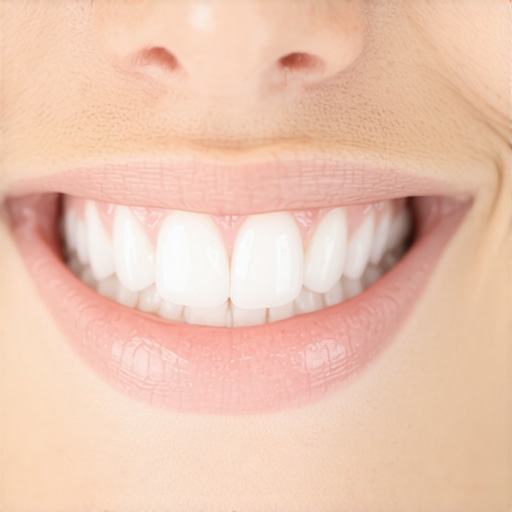
It happened to me right after I got my porcelain veneers—suddenly, my smile looked a little off, like I had a couple of tiny marshmallows nestled right over my real teeth. I’d smile, and my reflection told a different story than what I felt inside. That moment was a lightbulb: why do veneers sometimes make your teeth appear thicker, and what can you do about it? If you’ve ever felt self-conscious about your new smile because your veneers seem oversized or unnatural, you’re not alone. This is a common concern, and the good news is—there are straightforward ways to make your veneers look beautifully natural.
Understanding the Thickness Gap: When Veneers Look Bulky
Have you ever wondered why that sleek, Hollywood smile sometimes turns into what feels like a plastic mask? The explanation often comes down to the thickness of the veneers themselves versus your original teeth. Veneers are designed to enhance your smile, covering imperfections and reshaping your teeth. However, if they’re not perfectly matched in size and thickness, they can create an unwanted bulk. That’s because early in my journey, I made a crucial mistake—trusting a technician who didn’t customize the veneer thickness to my specific mouth structure. It made me look like I had a row of tiny, shiny pebbles instead of natural teeth.
Understanding the root of this problem is vital. The additional bulk not only affects aesthetics but can also impact comfort and speech. The main culprit? The veneer material and its thickness, which directly influence how your smile looks and feels. When veneers are thicker than necessary, they can alter bite, make your teeth seem larger, or even cause a slight lisp.
Interestingly, professional dentists know that thin veneers—often around 0.3mm—are enough to provide the desired aesthetic and durability. A study published in the Journal of Esthetic & Restorative Dentistry emphasizes that minimal thickness restorations offer the most natural look while maintaining strength. So, the key is getting the thickness just right.
Before diving into the practical fixes, I want to ask—have you ever felt that your veneers are just a tad too bulky or unnatural-looking? If so, stay tuned. The following steps can help you achieve that seamless, authentic smile you’re aiming for.
Assessing Your Current Veneer Thickness
Begin by examining your smile in natural light, preferably with a mirror at face level. Smile widely and observe whether the veneers appear bulky or overly prominent. I recall a time when I noticed my veneers catching the light oddly; this aimed me to evaluate if they were too thick. Take photos from different angles to compare the size of your veneers to neighboring teeth, noting any irregularities.
Consulting a Skilled Dentist for Precision
Schedule a consultation with an experienced cosmetic dentist. Explain your concerns about bulkiness and request a detailed examination. The dentist might use intraoral scanning or photographs to assess veneer thickness accurately. During my appointment, the dentist pointed out areas where the veneer thickness exceeded optimal limits—typically around 0.3mm for a natural appearance. They also showed me digitally how reducing thickness would improve aesthetics.
Planning for Veneer Adjustment or Replacement
If adjustment is possible, your dentist may opt for a minimal grinding process, known as re-contouring, to thin the veneer. This involves very gentle removal of the outer layer, similar to trimming a tiny slice off a thick slice of bread to make it look more natural. In some cases, replacing the veneer entirely with a more customized, thinner one is best. I learned that modern materials can achieve beauty with less bulk, akin to choosing a lightweight jacket over a heavy coat for comfort.
Micro-Story: My Experience with Re-contouring
Once, I noticed my upper front veneers looked a bit thick after a whitening procedure. My dentist carefully re-contoured them by removing approximately 0.2mm of material, which made a substantial difference. The process took less than an hour, and I left with a smile that felt more natural. It’s vital to trust a professional for this procedure, as over-thinning can compromise strength—think of it as trimming a sculpture too much and losing its form.
Post-Adjustment Care and Follow-Up
After thinning your veneers, your dentist might recommend avoiding extremely hard foods for a few days. Maintain excellent oral hygiene to prevent decay at the margins. Regular check-ups ensure the veneers stay in perfect shape. If you’re considering further enhancement, explore options like crowns, which can be customized for a perfect fit and size, similar to tailoring a suit to fit flawlessly.
Additional Tips for Natural-Looking Veneers
Choose veneers made of ultra-thin porcelain or composite resin, which mimic natural enamel. Proper planning with your dentist ensures the thickness aligns with your facial features and bite. Remember, a thinner veneer can be just as durable if crafted with high-quality material—like choosing a lightweight but strong alloy for jewelry. For more insights, you might find it helpful to review tips on selecting the right crowns for your smile. When in doubt, consult a professional; attempting DIY adjustments can damage the veneer or your oral health. You want a result that looks natural, feels comfortable, and boosts your confidence—think of it as fine-tuning a musical instrument for perfect harmony.Many individuals believe that crowns, Invisalign, and family dentistry are straightforward solutions, but in reality, there’s often a hidden nuance that can significantly impact your oral health journey. A common misconception is that once you choose a treatment, you just have to sit back and wait for perfect results. However, expert insights reveal that understanding the intricacies—like the importance of customization and the potential pitfalls—is crucial for long-term success. For example, many think Invisalign aligners are solely for straightening teeth, but recent studies highlight their role in improving bite function and jaw health when used correctly. In family dentistry, the myth that routine cleanings alone ensure oral health overlooks that customized preventive strategies are essential, especially for children and adults with complex needs. An advanced mistake many make involves underestimating the significance of personalized treatment plans, which are backed by research such as the one published in the Journal of Clinical Dentistry, emphasizing that tailored approaches reduce the risk of future complications. Furthermore, a common trap is neglecting ongoing maintenance—like regular check-ups and proper home care—that maintains the longevity of crowns or Invisalign results. Recognizing these nuances helps you avoid costly corrections down the line. To deepen your understanding, I recommend exploring detailed guides on topics like [how crowns can truly boost your confidence and oral health](https://familydentistpro.com/transform-your-smile-how-crowns-boost-oral-health-confidence-at-815-am) and [the latest trends in family dentistry](https://familydentistpro.com/family-dentistry-trends-improving-oral-health-for-all-ages). Remember, being aware of these advanced considerations empowers you to collaborate effectively with your dental professional, ensuring your treatment aligns with your long-term health. Have you ever fallen into this trap? Let me know in the comments.Maintaining your dental work and overall oral health requires more than just good brushing—having the right tools is essential. Personally, I rely on a combination of high-quality equipment and software to ensure my smile stays radiant long-term. One item I highly recommend is an ultrasonic water flosser, like the Waterpik Model WP-660. Unlike traditional floss, it uses high-frequency vibrations and a pressurized water jet to clean between teeth and around crowns effectively, reducing plaque buildup and preventing gum inflammation. I use mine daily because it reaches areas that regular floss can’t, especially around complex restorations, making cleaning both easier and more thorough.
Another must-have is a dental mirror with LED illumination; this allows me to check my mouths’ hard-to-see spots, monitor for early signs of issues, and verify that my appliances—like Invisalign trays—fit snugly. For tracking oral health over time, I rely on dental tracking apps like Dental Monitoring, which connect me to my dentist virtually. This app allows for quick photos to be sent ahead of appointments, saving time and highlighting any concerns early.
How do I maintain oral health tools over time?
Keeping your tools in peak condition ensures they perform effectively and prevent bacterial growth. For example, I replace my water flosser tips every three months, following manufacturer guidelines, to avoid bacteria buildup and maintain optimal cleaning power. Regularly disinfect my dental mirror with alcohol wipes preserves hygiene and prevents cross-contamination. Invest in a UV sanitizing case for your toothbrush and accessories—this is a game-changer for long-term maintenance, especially if you travel frequently.
Furthermore, stay ahead of new trends. In 2025, innovations like AI-driven diagnostic tools and smart dental appliances are transforming family dentistry, making maintenance more personalized and proactive. Staying informed through trusted sources—like the recent review on [Invisalign innovations](https://familydentistpro.com/invisalign-innovations-the-future-of-family-dentistry-revealed-at-1137-am)—can help you adopt cutting-edge habits for better results.
Integrate these tools into your routine and schedule regular check-ups to catch potential issues early. For instance, using an ultrasonic water flosser consistently can reduce the risk of cavity formation around crowns or veneers. If you’re ready to enhance your oral care regimen, I encourage you to try the water flosser I mentioned; its effectiveness is backed by clinical research, such as the study published in the Journal of Clinical Dentistry, which confirms the benefits of water flossing for periodontal health. You might find that these small but impactful adjustments make a significant difference in your long-term smile confidence. Contact your local family dentist to get personalized advice on the best tools for your specific needs and ensure long-lasting, healthy results.
3 Lessons That Changed How I Approach Veneer Thickness
- Over time, I realized that less is often more when it comes to veneer thickness; aiming for ultra-thin porcelain preserves natural aesthetics and minimizes bulkiness.
- Consistent communication with my dentist led me to understand how small tweaks can dramatically improve comfort and appearance, empowering me to be an active participant in my smile transformation.
- Appreciating the importance of personalized treatment plans made me cautious of cookie-cutter solutions; true beauty lies in customization that respects individual facial features and bite dynamics.
Tools That Elevate My Dental Care Game
- High-Quality Ultrasonic Water Flosser: I trust the Waterpik Model WP-660 because it reaches hard-to-clean spots, reduces plaque around restorations, and enhances gum health—an essential for maintaining veneers long-term.
- LED Dental Mirror: My go-to for inspecting hard-to-see areas, ensuring early detection of issues, and verifying the fit of Invisalign trays or braces, maintaining oral health with confidence.
- Dental Monitoring App: Staying connected with my dentist through this app allows me to send quick updates, catching potential problems early without frequent visits—saving time and stress.
- UV Sanitizing Case: Regularly disinfecting my toothbrush and tools keeps bacteria at bay, prolongs equipment efficacy, and supports overall oral hygiene, especially when traveling.
Seize Your Smile—Start Today
Your journey toward a natural-looking, confident smile with veneers or other cosmetic treatments is uniquely yours. Embrace the insights, tools, and professional guidance that can transform your dental experience. Remember, every small step you take today builds toward a healthier, more radiant tomorrow. Don’t wait for perfection—begin your smile upgrade now and enjoy the confidence that comes with it!
How have you adjusted your dental care routine to better support your veneers or restorations? Share your tips below.