
How to tell if your child’s thumb-sucking is changing their bite
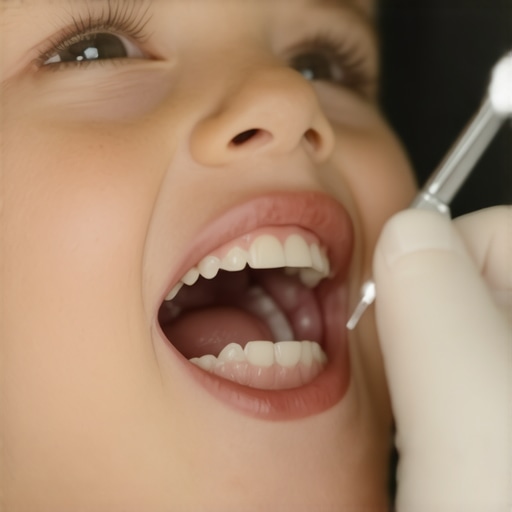
I remember the moment clearly—my little one was happily thumb-sucking away, and I suddenly felt a pang of worry. It hit me: how do I really know if her thumb habit is messing with her bite? Up until then, I’d just kept an eye out for obvious signs, but deep down, I wondered—am I missing something? And honestly, I wasn’t alone. Many parents struggle with this uncertainty, often feeling helpless, unsure if that persistent thumb-sucking is causing longer-term dental issues.
Understanding the Impact of Thumb-Sucking on Your Child’s Bite
It’s common for children to suck their thumbs or fingers—they find comfort and security in it. But the concern arises when this habit persists beyond the early years. Prolonged thumb-sucking can influence jaw development and the alignment of teeth. In fact, studies show that thumb-sucking habits extending past the age of 4 can lead to open bites, overbites, or misaligned teeth, which might require orthodontic treatment down the line. As a parent, catching early signs can make all the difference in guiding your child toward healthy oral development.
Early in my own experience, I made the mistake of thinking that just because my child had stopped thumb-sucking by a certain age, everything was fine. But habits can linger or flare up. That’s why it’s vital to know what signs to look for and when to consult a family dentist. Remember, not all thumb-sucking habits result in significant problems, but being aware is key to preventing future complications.
If you’re questioning whether your child’s thumb habit is affecting their bite, you’re not alone. Recognizing early signs can save a lot of discomfort and expense later. Want to understand what to look for? Keep reading, because we’ll delve into practical steps to assess your child’s oral health and determine if intervention is necessary. Need more detailed info? Check out [The Hidden Benefits of Invisalign](https://familydentistpro.com/the-hidden-benefits-of-invisalign-for-family-dental-care-in-2025-at-903-am)—because modern orthodontics can be part of the solution when needed.
Observe Oral Habits During Play and Rest
Start by watching your child’s natural behaviors in relaxed settings. Notice if they still put their thumb in their mouth during calm moments or when they’re distracted. I once spent an afternoon quietly observing my son after dinner; I caught him thumb-sucking while watching TV. This revealed that the habit persisted in low-stimulation situations, indicating a potential need for intervention. Recognizing when and how often your child thumb-sucks helps determine the urgency of action.
Identify Visible Dental Changes
Next, look in your child’s mouth or have them do it with a mirror. Check for specific signs: open bite (front teeth don’t touch when biting down), misaligned teeth, or a palate that seems broader or more arched. I vividly recall the first time I gently examined my daughter’s teeth with a flashlight, noticing her front teeth slightly protruding, consistent with thumb-sucking effects. Regular inspections can catch early signs before they become severe.
Note Behavioral and Emotional Cues
Be alert to behavioral cues that suggest discomfort or self-awareness about their teeth. If your child complains about difficulty biting, has speech issues, or shows frustration with eating tough foods, these might reflect bite problems. I remember my son hesitating to chew apples, which prompted us to consult a dentist and learn about how habits influence oral development. Such cues are valuable indicators to seek professional advice.
Document Changes Over Time
Maintain a simple health diary noting when habits diminish or persist and any visible dental changes. Take photos periodically to track progress. This method proved helpful in our case; after a few months of gentle encouragement and distraction techniques, my daughter reduced thumb-sucking, and her dental alignment improved. Tracking progress helps assess whether your strategies are effective or if you’re approaching the need for professional treatment.
Schedule a Professional Dental Examination
Finally, consult a family dentist for an expert assessment. They can perform a thorough check, including X-rays if necessary, to evaluate jaw development and teeth position. I scheduled a visit after noticing my daughter’s slight overbite, which was mild but a potential sign of prolonged thumb-sucking. Dentists can provide tailored advice and recommend solutions such as orthodontics or behavioral therapy. Discover the modern benefits of Invisalign and other options by exploring Invisalign innovations.
By systematically observing habits, identifying physical signs, noting behavioral changes, documenting progress, and consulting professionals, you can effectively assess your child’s oral health status. Acting early prevents long-term complications and ensures happy, healthy smiles for years to come.
While many believe Invisalign is just a cosmetic alternative to braces, the reality is far more nuanced. Experts emphasize that Invisalign is a comprehensive orthodontic solution that can address complex bite issues when combined with proper planning and professional guidance[^1]. It’s not a magic fix; understanding its limitations is crucial to achieving optimal results. Similarly, a common myth persists that maintaining excellent oral health simply involves brushing twice a day. In truth, effective oral hygiene requires a tailored approach, including flossing, regular check-ups, and understanding individual risk factors[^2]. Overlooking these nuances can lead to overlooked decay or gum disease progressing silently. When it comes to family dentistry, many think that visiting the dentist only when there’s a problem suffices. Preventative care, however, is the cornerstone of long-term oral health, allowing early detection and intervention before issues advance[^3]. Finally, regarding crowns, a misconception exists that they are purely for cosmetic restoration. Modern crowns do much more; they protect weakened teeth, restore function, and even prevent further decay, contributing significantly to oral health[^4]. Recognizing these misconceptions helps you make informed decisions and avoid costly mistakes down the line. For example, opting for the right restorative option like [crowns or veneers](https://familydentistpro.com/crowns-vs-veneers-which-is-better-for-your-smile-cure-at-429-pm) can dramatically improve both function and aesthetics. To truly leverage the latest advancements, read about [Invisalign innovations](https://familydentistpro.com/invisalign-innovations-the-future-of-family-dentistry-revealed-at-1137-am) that broaden treatment possibilities beyond traditional aligners. Are you aware of the limits of DIY dental solutions? Many are, and falling into these traps can compromise health. Let’s explore some of these myths and misconceptions to clarify what effective dental care really entails.Achieving and maintaining excellent oral health requires more than just routine brushing; it involves strategic use of targeted tools and practices. Personally, I rely on high-quality electric toothbrushes, like the Oral-B Genius X, which features artificial intelligence to adapt brushing patterns, ensuring comprehensive plaque removal and gum protection. This level of precision not only enhances cleaning efficiency but also plugs into my overall maintenance routine seamlessly. Additionally, I favor interdental brushes such as the TePe Supreme, which are invaluable for cleaning around crowns and permanent retainers—areas traditional flossing can sometimes miss. Their slender design allows for effective removal of debris, preventing decay and gum disease around restorations. For monitoring long-term results, I incorporate digital tools like SmileTrack, an app that helps track changes in dental alignment and health status over time through weekly photo documentation. Having consistent visual records encourages proactive adjustments, whether through professional treatments or home care tweaks.
How do I maintain Invisalign results over time?
To sustain the benefits of Invisalign, I suggest implementing a disciplined oral hygiene regimen complemented by regular professional check-ups. An important tip is using an ultrasonic cleaner like the SonicSmile Ultra, which vibrates trays to eliminate buildup and odors, extending their lifespan and effectiveness. Investing in such tools can also prevent issues like tray discoloration or warping, which compromise treatment. Experts predict that advancements in digital scanning and real-time monitoring will soon enable more personalized, remote supervision of orthodontic wear, further enhancing long-term outcomes. Staying updated with innovations like Invisalign’s latest [[Invisalign innovations](https://familydentistpro.com/invisalign-innovations-the-future-of-family-dentistry-revealed-at-1137-am)] can empower you to optimize your results permanently. Remember, maintaining your dental work isn’t just about immediate care; it’s about leveraging these specialized tools to preserve your investment and oral health for years to come. Incorporate ultrasonic cleaning into your routine today—it’s a proven method to keep your trays pristine and your smile shining. Ready to elevate your maintenance approach? Explore how advanced tools can make a substantial difference in your long-term dental health! For more health-centered strategies, visit our [family dentistry tips](https://familydentistpro.com/family-dentistry-trends-improving-oral-health-for-all-ages).
What I Wish Someone Told Me About Smile Success
One of the biggest realizations I had was that the journey to a healthy, confident smile isn’t just about fixing teeth—it’s about understanding when habits, like thumb-sucking, can quietly influence future happiness. I learned that early awareness and gentle intervention often prevent the need for extensive orthodontic work later, saving both emotional and financial stress.
Another lightbulb moment was realizing that trusting modern solutions such as Invisalign isn’t just about aesthetics but about comprehending how these innovations support long-term oral health. Embracing technology with a balanced perspective empowers us as parents to make informed choices that last a lifetime.
Finally, I discovered that proactive engagement—regular check-ups, open communication with your child’s dentist, and documenting changes—creates a foundation of confidence. This approach demystifies dental care and transforms it into a shared journey toward lifelong well-being, not just a series of appointments.
Tools That Transformed Our Family’s Approach
My essential toolkit includes advanced oral hygiene devices like electric toothbrushes with personalized settings, which ensure thorough cleaning tailored to each family member’s needs. The Oral-B Genius X, with its smart technology, has been a game-changer for us. Additionally, interdental brushes like TePe Supreme help meticulously clean around crowns and braces, preventing plaque buildup and decay.
For tracking our progress, I rely on visual documentation apps such as SmileTrack, which provide weekly insights into dental alignment and health. These tools foster a sense of ownership over our oral health journey and keep us motivated to maintain good habits.
Reading keeps me updated—I recommend exploring the cutting-edge benefits of Invisalign innovations and other modern solutions that are shaping family dentistry today.
Kickstart Your Child’s Smile Confidence Today
Every smile is a unique story, and your proactive steps today can set the stage for lifelong confidence and health. Remember, early recognition, informed choices, and consistent professional guidance turn the sometimes daunting world of dental care into a journey filled with hope and happiness. Your child’s brightest smile is just a decision away—embrace the journey with warmth and curiosity.
Have you ever wondered how to tell if your child’s thumb habit is truly affecting their bite? Share your experiences or questions below — we’re in this together for healthier, happier smiles.