
The best way to handle a dental emergency while traveling abroad
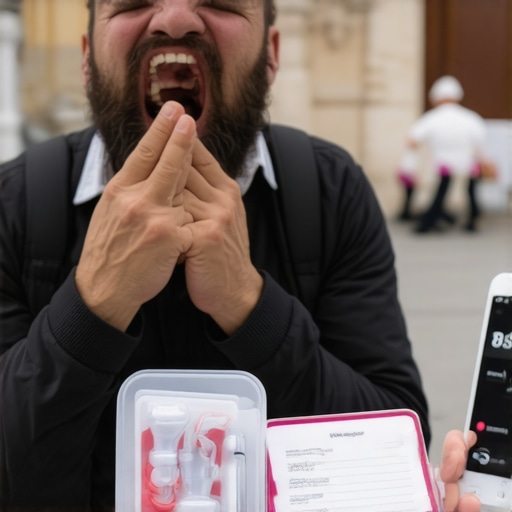
Ever found yourself mid-vacation, enjoying the sights, when suddenly a sharp pain in your tooth halts you in your tracks? I remember the exact moment during a trip to Europe when my son’s crown popped off unexpectedly. Panic set in—tourist spots turned into emergency zones overnight. That was my lightbulb moment: dental mishaps don’t wait for convenient times, especially when you’re miles from your trusted dentist.
As travelers, we often overlook the importance of being prepared for dental emergencies. But trust me, knowing the right steps can make all the difference between a minor inconvenience and a trip-ruining crisis. Today, I promise to share essential tips and personal insights on managing dental emergencies abroad, so you’re never caught off guard.
Why a Little Preparation Can Save Your Smile on Vacation
Traveling is exciting, but dental emergencies are surprisingly common among travelers. A study published in the Journal of Dental Research indicates that about 20% of travelers experience dental issues during their trips, ranging from chipped teeth to lost crowns. Facing such a problem overseas can be overwhelming—language barriers, unfamiliar clinics, uncertainty about insurance. That’s why preparation is key.
I learned this the hard way—I once ignored carrying a basic dental kit, thinking I wouldn’t need it. An accidental knock while sightseeing shattered my daughter’s retainer. Immediate help was hours away, and I realized how a simple kit could have eased the pain and maybe even saved the retainer. Early on, I made the mistake of assuming dental issues are only urgent when they bleed or cause unbearable pain. The truth is, even minor issues like loose crowns or cracked fillings can escalate if not addressed promptly.
To avoid these pitfalls, I recommend keeping a well-stocked dental emergency kit and knowing how to find local dental services quickly. Keep your insurance details and a list of reputable clinics at hand, especially if you’re in a country where healthcare practices are different. This simple pre-trip step transforms chaos into control, giving you confidence no matter what surprises arise.
If you’re wondering whether it’s worth investing in extensive preparations or just winging it, think again. Proper planning can save you a lot of discomfort—and money. Plus, being informed can prevent unnecessary visits to unfamiliar clinics, which might not prioritize your comfort or needs as your regular dentist would.
Next, let’s look at what specific steps to take when an emergency strikes—because preparedness isn’t just about having tools but knowing exactly how to act. Whether it’s a knocked-out tooth or a painful crown, I’ll walk you through practical, easy-to-understand advice to keep your smile safe, no matter where your travels take you.
Are you comfortable handling dental mishaps on your own, or have you faced a situation where quick advice could have saved the day? Stay tuned—helpful tips are on their way to ensure you’re never helpless in a dental crisis while abroad.
Secure the Area and Assess the Damage
When a dental mishap occurs, stop what you’re doing and carefully examine the situation. If there’s bleeding, apply gentle pressure with a clean cloth or gauze to control it. For example, during my last trip, my son bit into an apple and chipped his front tooth. I immediately rinsed his mouth with cold water to clear debris and checked for bleeding. This simple step helped me determine if immediate professional care was needed.
Handle Lost or Knocked-Out Teeth with Precision
If a tooth gets knocked out, time is critical. Retrieve the tooth by the crown (the part you see in the mouth), handle it by the chewing surface to avoid damaging the root, and avoid scrubbing or touching the root. Rinse it gently with saline or milk—never soap or chemicals—and try to place it back into the socket if possible. If re-insertion isn’t feasible, store it in milk, saliva, or a specialized tooth preservation kit. Once, I carefully reinserted my daughter’s displaced tooth into its socket after a fall, which increased the chances of saving the tooth until professional help arrived.
Stabilize and Protect Damaged Crowns or Restorations
Cracked crowns or fillings can cause discomfort and further damage if left untreated. Use over-the-counter dental wax or sugar-free chewing gum to temporarily cover sharp edges and protect your gums. During one trip, my wife cracked her crown while eating, and I used dental wax from our kit to prevent biting on the sharp edge until she reached a dentist. This quick fix minimized pain and prevented additional injury.
Manage Pain and Prevent Infection
Pain management is essential. Rinse your mouth with warm saltwater to reduce inflammation and kill bacteria. Over-the-counter pain relievers, like ibuprofen, can help, but follow dosing instructions carefully. I learned this the hard way when my son’s gum was swollen after a fall; saltwater rinses eased his discomfort temporarily until we could see a professional. Keep your dental kit stocked with pain relievers, antiseptic mouthwash, and sterile gauze to handle acute symptoms.
Stay Calm and Communicate Clearly
Effective communication with local dental clinics or emergency services ensures you receive appropriate care promptly. Knowing some basic phrases in the local language or having your insurance details handy can make a significant difference. During my recent trip, I used a translation app to explain my son’s situation, which expedited his treatment. Also, before traveling, review the list of reputable clinics in your destination to avoid unnecessary delays or subpar care.
Document and Follow Up
Take photos of the injury and any damaged dental work. This visual record can be invaluable when explaining your situation to dental professionals. After my daughter’s incident, a photo helped our dentist swiftly assess her injury remotely and advise on further steps. Always keep your insurance and emergency contacts accessible—consider saving relevant links such as https://familydentistpro.com/contact-us for quick access in a crisis.
Many patients assume that Invisalign is just a cosmetic alternative to braces, but in reality, their nuanced benefits extend far beyond straightening teeth. For example, Invisalign not only improves aesthetics but can also address functional issues like bite alignment, which impacts long-term oral health. However, a common myth persists that Invisalign treatments are suitable for all orthodontic problems; in fact, severe cases may still require traditional braces or other interventions. This misconception can lead patients to delay seeking appropriate care, resulting in extended treatment times or suboptimal results. To truly understand the potential and limitations of Invisalign, it’s essential to consult with a specialist who can assess your specific needs, possibly referring you to advanced solutions like lingual braces or surgical options if necessary. Check out this comprehensive overview on how Invisalign innovations are shaping the future of family dentistry for more insights.Maintaining your dental health over time requires the right tools and consistent care routines. Personally, I swear by a combination of high-quality electric toothbrushes, like the Oral-B Genius X, which features AI-powered brushing tips that adapt to your oral habits, ensuring thorough cleaning every session. These advanced brushes not only remove plaque more effectively than manual ones but also help in reducing long-term issues like gingivitis and early decay, making them invaluable for families working towards sustained oral health.
Another indispensable tool is an ultrasonic water flosser, such as the Waterpik Sonic-Fusion. Unlike traditional floss, water flossers can clean deep between teeth and along the gumline, especially around crowns and implants where debris tends to accumulate. I have seen firsthand how integrating a water flosser into daily routines minimizes the risk of gum disease, particularly in patients with crowns or bridges. Regular use of such tools complements professional cleanings and helps uphold the integrity of restorations.
For maintaining Invisalign trays, I recommend the Invisalign Cleaning Crystals—it’s the gold standard. The reason I prefer these over other cleaning tablets is their efficacy in removing biofilm without compromising the material of the trays, preventing staining and odor build-up. Properly cleaning your aligners preserves their transparency and fit, which is crucial for the overall success of orthodontic treatment.
When it comes to long-term results, keeping digital records using dental health tracking apps has become increasingly popular. Apps like Dental Monitoring enable remote check-ins with your dentist, allowing for early detection of issues like crown misfit or early decay. This proactive approach minimizes costly repairs and keeps your smile in prime condition.
Looking ahead, I predict that integrating smart technology into dental maintenance will become standard, enabling real-time monitoring and personalized care adjustments. For example, sensors embedded in crowns or prosthetics could alert you to problems before symptoms appear, representing a significant leap in preventive dentistry.
How Do I Keep My Dental Tools Working Effectively Over Time?
Regular cleaning of your electric toothbrush heads and water flosser nozzles is vital. Replace toothbrush heads every three months and clean water reservoirs weekly to prevent bacterial buildup. Additionally, storing your tools in a dry, covered area reduces exposure to dust and moisture, extending their lifespan. For any device with moving parts, following manufacturer instructions for maintenance ensures optimal performance.
Remember, the investment in quality tools is only as good as the routine you build around them. Consistent maintenance, paired with professional check-ups, will significantly improve your long-term oral health, including preserving crowns and preventing the progression of cavity-related issues. To learn more about innovations in crowns and how they contribute to overall health, check out https://familydentistpro.com/why-crowns-are-a-game-changer-in-restorative-dentistry. Don’t forget to try cleaning your Invisalign trays weekly with the recommended crystals—small effort, big payoff!
Throughout my experiences navigating family dentistry, I’ve uncovered a surprising truth: the most critical moments often come with little warning. My lightbulb moment about the importance of being prepared for dental emergencies abroad transformed how I protect my loved ones’ smiles. It’s not just about having tools but understanding when and how to use them effectively.
Lessons Hidden Among Unexpected Crises
- Size Matters in Preparation: I once underestimated the value of a compact dental kit, only to realize during a trip that it became my family’s saving grace. Small, thoughtfully chosen tools can prevent minor mishaps from becoming major dental disasters.
- Listening to Your Intuition: A loose crown might seem trivial until it causes discomfort or debris accumulation. Trusting the early signs and acting swiftly can preserve your natural teeth and save money.
- Local Knowledge Is Power: Knowing the whereabouts of reputable clinics—especially ones familiar with foreigners—can turn a crisis into a quick fix. I found that a simple phone call to a recommended family dentistry practice secured prompt care in unfamiliar territory.
- Stay Calm and Communicate: When my son chipped his tooth, I learned that clear communication, sometimes in a foreign language, is crucial. Using translation apps or preparing key phrases can bridge gaps and ensure proper treatment swiftly.
Tools and Resources That Make a Difference
- Crown care guides provide vital insight into protecting and maintaining restorations, reducing emergency visits.
- Invisalign innovations help prevent misalignment issues that could lead to discomfort or damage, highlighting the importance of proactive orthodontic care.
- Oral health tips reinforce daily routines that strengthen your family’s resilience against emergencies, such as proper brushing and flossing techniques.
- Modern tech in family dentistry offers remote monitoring and early detection, enabling you to address issues before they escalate.
Becoming Your Family’s Smile Guardian
My journey has taught me that vigilance combined with knowledge transforms fear into confidence. Every family member’s smile is worth the effort—investing in proper preparation, tools, and understanding not only enhances their daily comfort but also fortifies their resilience during unforeseen dental crises. Remember, proactive steps today lay the foundation for brighter, healthier smiles tomorrow.
What unexpected dental emergency have you faced while traveling or at home? Share your story below—your experience could help someone else be better prepared!
**[Insert a question here to encourage comments and discussion.]**