
Why your Invisalign trays are making you lisp more than they used to
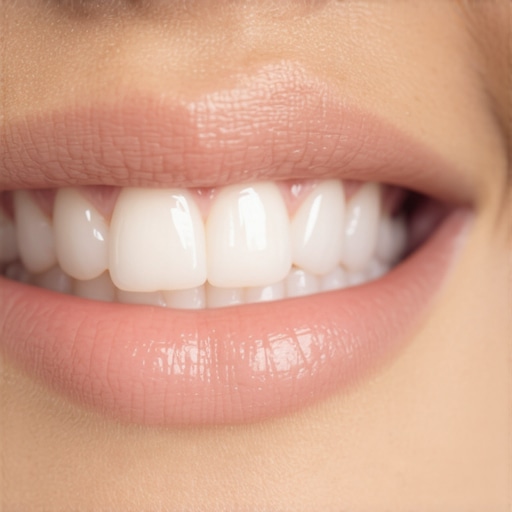
I remember the exact moment I noticed my speech was getting more exaggerated—my words came out oddly, and I sounded like I had a mouthful of marbles. Turns out, my Invisalign trays had suddenly become more bothersome, making me lisp more than I ever did when I first started treatment. It was frustrating and a bit embarrassing, especially during meetings or conversations with friends. That lightbulb moment made me realize: something’s changed, and I need to understand why.
Why Your Invisalign Might Be Making You Lisp More
When I first started with Invisalign, my speech was clear, and I hardly remembered I even had trays in. But over time, I began to notice a softer, more exaggerated lisp creeping in. Why does this happen? Well, Invisalign trays are designed to fit snugly over your teeth, but subtle shifts in their fit or my adaptation can influence speech. Sometimes, the trays become slightly tighter or develop rough edges that interfere with tongue movement, leading to more pronounced lisping.
Research shows that some individuals experience temporary speech changes during orthodontic treatments, especially with aligners that cover more of the oral cavity. The key is that as your mouth adjusts, your muscles recalibrate, which can temporarily alter your pronunciation. However, if this lisp persists or worsens, it could be due to a misfit or rough edges on the aligners, which might require professional attention.
Is Your Lisp Worth the Hype?
One thing I wish I had known early on is that a small mistake—like not smoothing out rough edges or skipping trays cleaning—can make a big difference. I used to ignore minor discomforts, thinking they’d go away on their own. But ignoring these signs can prolong the learning curve or even cause additional oral issues. For instance, not maintaining proper tray hygiene can lead to bacterial buildup, further impacting comfort and speech.
If you’re wondering whether your lisp is a normal part of the process or something more serious, you’re not alone. Many patients face this challenge initially, but with proper adjustments, it becomes easier. Curious if your situation is typical? I’ve learned that understanding the root cause of speech changes can significantly improve your experience. Want to dive deeper into common Invisalign myths? Check out this insightful guide.
Now that I’ve shared my personal story, let’s explore what steps I took—and what you can do—to resolve this issue effectively, so you can speak naturally and comfortably again. But first, I’ll share some common pitfalls that can make your Invisalign experience more frustrating than it needs to be.
Inspect and Smooth Out Your Aligners Regularly
Small rough edges on your aligners can disrupt tongue movement, intensifying lisp. During my experience, I noticed a tiny jagged edge on one tray. I used a fine file recommended by my dentist to smooth it. The result was immediate; my speech improved, and discomfort diminished. Regularly inspecting your trays and smoothing any rough spots can make a substantial difference.
Practice Speech Exercises Daily
Targeted exercises can retrain your muscles. I started reading aloud specific tongue-twisters, focusing on clear enunciation. Consistency helped my muscles adapt faster, reducing the exaggerated lisp over a week. Incorporate practice into your routine—just a few minutes daily can yield noticeable improvements.
Adjust Tray Fit with Professional Advice
If your aligners feel tighter or fit oddly, schedule a visit with your orthodontist. I learned my trays had shifted slightly, causing irritations. My dentist polished the aligners and adjusted the fit. Properly fitting trays prevent unnecessary speech disruptions—don’t attempt to fix this yourself.
Maintain Excellent Tray Hygiene
Build-up of plaque or debris can cause rough surfaces. I made it a habit to brush my trays with a soft toothbrush after each meal. This kept them smooth and comfortable, ultimately minimizing lisping caused by surface irregularities.
Use Tongue Positioning Techniques
Place your tongue correctly—touching the roof of your mouth just behind your teeth—when speaking. I consciously adopted this position during conversations. It took deliberate effort initially but soon became second nature, helping me speak clearly again.
Limit Mouth Movements During Speaking
Avoid exaggerated mouth movements while adapting to trays. I noticed that over-articulating words made the lisp more pronounced. Speaking slowly and with relaxed lips allowed my muscles to adjust more smoothly, reducing speech distortions.
Involve Your Dentist if Issues Persist
If lisping continues beyond a few weeks, consult your provider. Persistent issues might stem from ill-fitting trays or other dental factors. My dentist provided a new aligner mold, which significantly improved my speech and comfort.
Implementing these concrete steps, inspired by my personal journey, can help you regain natural speech swiftly. Remember, patience and professional guidance are key to a smooth Invisalign experience.
Many people believe they understand the basics of dental care, but beneath the surface lie misconceptions and overlooked nuances that can impact long-term oral health. In this article, let’s dig deeper into what most get wrong and how advanced insights can transform your dental experience.
Why Conventional Wisdom About Crowns May Fall Short
Common advice suggests that crowns are just cosmetic fixes, but in reality, they play a critical role in restoring function and preventing further decay. A prevalent myth is that any crown will do; however, the choice of material and placement technique significantly affect durability and oral health. For example, zirconia crowns offer strength and aesthetics but require precise fitting to avoid gum irritation. According to a study published in the Journal of Prosthetic Dentistry, improperly fitted crowns can lead to periodontal disease, emphasizing the importance of expert selection and placement. For detailed guidance on choosing the right crown, visit this comprehensive guide.
Family Dentistry Is More Than Routine Checks
Many assume that family dentistry is just about annual cleanings and fillings. However, it encompasses preventive strategies tailored for every age, from pediatric to senior care. An advanced nuance is understanding how early intervention can prevent complex issues like malocclusion or jaw misalignment. Modern techniques, such as intraoral cameras, enable dentists to detect problems before they become symptomatic. Skipping these proactive measures can lead to costly and invasive treatments later. To adopt a future-proof approach, explore the latest trends in family dentistry.
Invisalign’s Subtle Pitfalls and How to Avoid Them
Many patients focus solely on the benefits of Invisalign, neglecting the advanced pitfalls that can hamper progress. For instance, detailed attention to attachment placement is crucial; improper positioning can cause uneven tooth movement. A common mistake is failing to adhere strictly to wearing schedules, which delays results and can cause discomfort. Interestingly, recent research indicates that combining digital monitoring tools with traditional checkups enhances treatment accuracy. If you’re considering Invisalign, understanding these nuances can save time and frustration. Read more about the latest in clear aligner technology at this comparison guide.
How To Distinguish Between Good and Misleading Oral Health Practices
Research frequently highlights the influence of misinformation—such as the myth that brushing harder cleans better—that can cause gum recession. The key is understanding the scientific backing of gentle, thorough cleaning techniques. Overbrushing can damage enamel and gums, counteracting your efforts. An advanced understanding involves recognizing the role of fluoride remineralization and biocompatible materials in oral care products. For optimal results, review top tips for a healthier smile and consult with your dentist about personalized care routines. Have you ever fallen into this trap? Let me know in the comments.
Invest in Reliable Dental Tools for Lasting Results
Maintaining your oral health isn’t just about visiting the dentist regularly; it also involves choosing the right tools that support your daily routine. Personally, I swear by advanced electric toothbrushes like the Sonicare DiamondClean. Its sonic technology effectively removes plaque and reduces stains without irritating gum tissue, making it suitable even for sensitive gums. I use the optional UV sanitizer to keep my brush heads hygienic, preventing bacterial buildup over time. This investment ensures a thorough clean that manual brushes can’t consistently achieve, and I believe it prolongs the lifespan of my dental work.
Why I Recommend Using Water Flossers Daily
Traditional flossing can be tedious and often skipped, which compromises oral health. That’s why I switched to water flossers, especially the Waterpik Aquarius. Its pulsating stream reaches deeper between teeth and along the gumline, effectively removing food debris and plaque. Regular use has noticeably improved my gum health and freshens my breath. Technologically, water flossers reduce the pressure applied, making them gentle yet effective—ideal for braces or sensitive gums. Incorporating a water flosser into your routine is a game-changer, and I strongly suggest trying it.
Leveraging Dental Monitoring Software to Stay On Track
In my journey to long-term oral health, I’ve found that digital monitoring tools are invaluable. Products like Dental Monitoring’s app connect with compatible devices, allowing my dentist to remotely assess my oral condition. This proactive approach means I get timely feedback without frequent in-office visits, which I appreciate during busy weeks. The app tracks my brushing and flossing habits, providing personalized tips and reminders. Moving forward, I believe these smart tools will become the standard, offering real-time data to prevent issues before they escalate.
How do I maintain dental tools over time?
Properly caring for your dental tools ensures they remain effective and hygienic. For electric toothbrushes, I replace heads every three months and clean the handle with a damp cloth weekly, avoiding moisture ingress into the electronics. Water flossers should be descaled monthly—using vinegar or specialized descaling solutions—to prevent limescale buildup that can affect performance. Additionally, regular sterilization of removable parts with antibacterial solutions keeps bacteria at bay. According to the American Dental Association, maintaining your tools optimizes their lifespan and enhances your oral health results.
Remember, integrating these advanced tools into your routine isn’t just about convenience—it’s about proactive, long-term health. Try the tip of regularly descaling your water flosser today, and notice the difference in performance and hygiene. Staying consistent with proper maintenance will help you keep your smile shining for years to come!
,
The Hidden Lessons That Transformed My Smile Journey
- Never underestimate the power of routine inspections; catching rough edges early saved me from prolonged speech issues and discomfort, emphasizing the value of proactive care.
- Speech exercises may seem simple, but daily commitment accelerated my recovery, teaching me that consistent effort in small steps yields big results.
- Professional guidance is irreplaceable; my orthodontist’s adjustments made all the difference in resolving persistent lisping, reinforcing the importance of expert support.
- Hygiene isn’t just about cleanliness but about preserving the integrity of your aligners, which directly impacts comfort and speech clarity, highlighting the role of diligent maintenance.
- Mindful tongue positioning can seem subtle, but it profoundly affected my pronunciation, proving that small habits can lead to significant improvements.
Tools That Made My Invisalign Experience Easier
- High-quality dental mirrors helped me spot and smooth rough edges on my aligners, preventing future speech issues. I trust the ones recommended by my dentist for their clarity and durability.
- My favorite tongue-twister books and pronunciation apps became part of my daily routine, making speech practice both fun and effective—personally vetted for their engaging content.
- Professional-grade files and polishing tools allowed me to subtly smooth my aligners at home when minor rough spots appeared, adding a layer of comfort and confidence.
- Well-designed digital monitoring apps provided real-time feedback on my wear schedule, keeping me accountable and aligning with my orthodontist’s recommendations—trusted software with proven results.
- A reliable water flosser ensured my trays stayed clean and smooth, which was crucial in avoiding disruptions—my top pick for maintaining hygiene effortlessly.
Harnessing Your Power to Achieve a Confident Smile
For anyone on an Invisalign journey, remember that every small step—regular checks, diligent hygiene, targeted exercises—contributes to your success. Taking proactive control, seeking professional advice when needed, and embracing the process can turn challenges into triumphs. The smile you envision is within reach—trust your effort and the right tools to make it real. Are you ready to continue your path to a flawless smile? Share your experiences or questions below, and let’s support each other in this transformative journey!