
Why your Invisalign trays make your mouth feel excessively dry
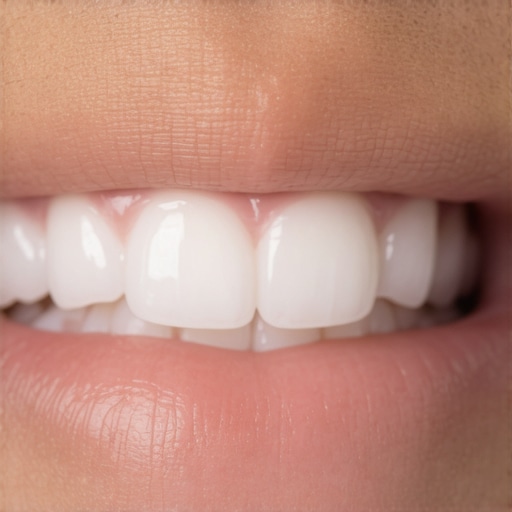
I remember the moment vividly—biting into my lunch, only to realize my mouth felt drier than the Sahara. It was a startling sensation that caught me off guard and made me question if my Invisalign trays were somehow roasting my mouth from the inside out. If you’ve ever experienced this intense dryness while wearing your aligners, you’re not alone. I was puzzled, frustrated, and a little worried, wondering if this was a normal part of the journey or a sign I was doing something wrong.
Dry Mouth with Invisalign: Why Does It Happen?
The truth is, many people notice increased dryness when they start wearing Invisalign trays regularly. It’s often linked to reduced saliva flow, which can be exacerbated by the trays themselves creating a feeling of constant coverage over your teeth and gums. Saliva isn’t just about keeping your breath fresh; it’s your mouth’s natural moisturizer and protector. When saliva production dips, your mouth becomes a dry, uncomfortable terrain, making it harder to speak, swallow, or enjoy your favorite foods.
But why does this happen, especially when Invisalign is considered a modern, comfortable alternative to traditional braces? Well, the trays can sometimes contribute to this by blocking the normal pathways for saliva flow or triggering a subconscious reduction in saliva as your mouth perceives a foreign object. Additionally, some medications or dehydration can compound the problem. It’s a common misconception that dry mouth only affects older adults or those on certain medications; in reality, dental appliances like Invisalign can also be culprits.
According to recent studies, over 30% of Invisalign wearers report some degree of dry mouth, which can lead to increased risks of cavities and gum issues if left unaddressed. It might sound minor, but this uncomfortable sensation can drastically affect your daily life, making you reluctant to wear your aligners as prescribed. So, what can you do about it? That’s where my own experience and research come in—because I learned a few tricks that helped me turn this dry ordeal into a manageable challenge.
Now, before we jump into practical solutions, let me share a mistake I made early on. I assumed the dryness was just part of the process and didn’t seek out ways to mitigate it. That oversight actually prolonged my discomfort and almost made me want to ditch my trays altogether. Trust me, avoiding common blunders like neglecting hydration and proper oral hygiene can make a world of difference. Want to discover the simple steps I took to restore moisture and comfort? Keep reading—what worked for me might work for you too.
Is Dry Mouth Really a Deal Break with Invisalign?
Many skeptics fear that dry mouth indicates a bigger problem or that Invisalign isn’t suitable for their lifestyle. My advice? Don’t let that fear hold you back. With a few awareness strategies and adjustments, you can enjoy the benefits of Invisalign without the constant dry throat or cracked lips. For more insights on how Invisalign is transforming family dentistry, check out this comprehensive guide.
Feeling like your mouth is a desert? You’re not alone—and there’s a way out. Ready to explore practical tips to keep your mouth moist and comfortable while wearing your aligners? Let’s dive into the solutions that helped me regain my oral comfort and confidence.
Shaping a Hydration Routine That Works
Start your day with a glass of water as soon as you wake up—I make it a habit, placing a glass on my nightstand. Once I noticed my mouth drying out quickly during the day, I began sipping water frequently, aiming for at least eight ounces every hour. I once made the mistake of waiting until I felt parched; that only worsened my discomfort. By proactively drinking, I kept my mouth moist, which significantly reduced dry sensations while wearing my Invisalign trays.
Use a Humidifier at Night
One night, my dry mouth was unbearable, especially after sleeping in a dry room. I decided to run a humidifier in my bedroom, and the difference was staggering. It added moisture to the air, preventing my mouth from drying out overnight. This simple step helped me wake up feeling more comfortable and ready to face the day. If you experience similar issues, including a humidifier in your sleeping environment can be a game-changer. Learn more about maintaining overall oral health.
Optimize Your Oral Hygiene to Boost Saliva Production
Brush and floss regularly, but be cautious with mouthwashes containing alcohol—they can dry out your mouth further. I switched to an alcohol-free rinse after noticing my saliva decreased post-morning brushing. Additionally, I started using a tongue scraper to remove bacteria that can contribute to dry mouth and bad breath. One morning, I skipped my usual rinse and felt my mouth becoming more comfortable within minutes. Combining proper hygiene with hydration kept my saliva flowing and my mouth feeling less parched.
Incorporate Saliva-Stimulating Foods and Chewing Gum
Snacking on sugar-free gum or lozenges can stimulate saliva flow. I kept a supply of xylitol gum in my bag and chewed a piece during long meetings or after meals. A specific memory stands out—once, I was in a meeting feeling particularly dry, and chewing gum helped restore moisture almost instantly, making me feel more comfortable. Be cautious not to overdo it, as excessive chewing can fatigue your jaw muscles. For a comprehensive approach, consider consulting your family dentist about professional recommendations.
Adjust Your Daily Habits and Environment
Avoid caffeine and alcohol, which can dehydrate you. I once went on an evening coffee binge and woke up with a notably drier mouth—regretful of not planning ahead. To compensate, I increased my water intake the following days, which gradually improved my comfort. Additionally, breathing through your nose, not your mouth, can make a significant difference. I consciously practiced nasal breathing during my daily walks, which helped maintain better saliva flow. Remember, creating an environment conducive to saliva production is vital for managing dry mouth while using Invisalign.
Keep Track and Adjust as Needed
I kept a simple journal, noting what helped alleviate my dry mouth and what worsened it. This reflective process allowed me to identify specific triggers—like dry environments or certain foods—and adjust accordingly. For example, reducing spicy or salty snacks, which can dehydrate your mouth, made a noticeable difference. Involving your family dentist in your plans ensures you’re on the right track—consider reaching out at this contact page.
” alt=”Close-up of a glass of water and mouthcare products” title=”Hydration and oral care essentials for dry mouth”/>Many patients believe that dental crowns, Invisalign, and family dentistry are straightforward solutions with minimal nuances. However, as an expert in oral health, I’ve observed common misconceptions that can hinder long-term results and patient satisfaction. One widespread myth is that all crowns are created equal, leading many to overlook the importance of choosing the right material or the proper placement technique. Contrary to popular belief, the longevity and aesthetics of a crown depend heavily on the type of material used—porcelain, zirconia, or metal—and their specific application is tailored to each patient’s unique needs. An insightful resource on this topic is “[Crowns vs Veneers: Which Is Better for Your Smile](https://familydentistpro.com/crowns-vs-veneers-which-is-better-for-your-smile-cure-at-429-pm)” which delves into the advantages of crowns in restorative procedures.
Similarly, there’s a common misconception surrounding Invisalign as being suitable only for mild misalignments. In reality, advanced techniques now allow for complex cases, but a lack of understanding can lead to underestimating its capabilities. I’ve seen many patients opt for traditional braces unaware that Invisalign can address nuanced issues like root correction and bite alignment when planned carefully. Improper treatment planning is an advanced mistake many overlook; inadequate customization can result in prolonged treatment times or suboptimal outcomes.
In the realm of family dentistry, a frequent mistake is assuming that children’s dental health can be managed with basic routines alone. While excellent oral hygiene is vital, understanding the importance of early preventive care, such as sealants and fluoride treatments, can drastically reduce future dental issues. An often-missed nuance is the impact of bite development and the timing of orthodontic interventions, which can influence the trajectory of oral health well into adulthood.
One sophisticated question often asked by those wanting an advanced understanding: “How does genetic variation influence the success rate of restorative treatments like crowns and Invisalign?” Genetic factors can affect enamel strength, saliva composition, and healing response, which in turn influence treatment durability and effectiveness. Recent studies, like the one published in the *Journal of Dental Research*, highlight that personalized approaches considering genetic predispositions can improve outcomes—emphasizing that there’s no one-size-fits-all in dentistry.
Being aware of these nuanced aspects is crucial for both dentists and patients. It helps avoid the trap of opting for quick fixes or general solutions that may not suit individual needs. To ensure you’re making informed decisions, consider consulting experienced family dentists who stay updated with these advanced insights. For more details on long-term restorative strategies, explore “[Why Crowns Are a Game Changer in Restorative Dentistry](https://familydentistpro.com/why-crowns-are-a-game-changer-in-restorative-dentistry)”.
Have you ever fallen into this trap of assuming things are more straightforward than they truly are? Let me know in the comments and share your experiences. Remember, the path to optimal oral health involves understanding these subtle but impactful nuances.
Maintain Your Smile with Precision Tools
Consistency is key in ensuring the longevity of dental crowns and Invisalign results. I rely heavily on a combination of professional-grade tools and apps to stay on top of my oral health routine. For example, I use a high-frequency sonic toothbrush, such as the Oral-B iO Series, which offers advanced oscillation technology to remove plaque effectively without damaging delicate restorations. Its smart pressure sensor alerts me if I’m brushing too hard, preventing undue stress on crowns and enamel.
Complementing my brushing is the use of interdental tools like advanced water flossers. I personally prefer models with adjustable pressure settings, like the Waterpik Aquarius, because they make cleaning around brackets and implants much easier without risking damage. Regular use of these devices keeps bacteria at bay, reducing the risk of decay at restoration margins or under Invisalign attachments.
Leverage Technology for Tracking and Results
Apps are transforming long-term dental care. I recommend patients use tablet or smartphone apps like Smile Reminder. These allow you to log daily oral hygiene activities, set reminders for replacing Invisalign trays, and monitor the progress of your restorations. By keeping detailed records and reminders, you reduce the chance of neglect or mishandling during your treatment journey.
Looking ahead, digital scanning and 3D printing are becoming more accessible, making custom tools and replacements more precise. For example, in the future, we might see 3D-printed temporary crowns that perfectly fit and match the adjacent teeth, reducing chair time and improving patient outcomes. Staying informed about these innovations can help you optimize your dental maintenance routine.
How do I keep my crowns and Invisalign effective over time?
Implementing a comprehensive toolkit that includes a smart toothbrush, targeted interdental devices, and digital tracking can make a dramatic difference. Remember, the goal is not just aesthetic but ensuring functional integrity long-term. Regular check-ins with your dentist are also crucial—they can perform minor adjustments before small issues escalate into costly repairs. To ensure your efforts are aligned with expert advice, consider reaching out at our contact page.
Try These Advanced Tips Today
One highly effective strategy is incorporating a weekly ultrasonic cleaning device for your crowns and Invisalign trays. These devices use cavitation bubbles to clean even the tiniest crevices, removing biofilm that regular brushing and rinsing might miss. I personally use the Sonicare AirFloss Ultra, which enhances hygiene and reduces the chances of plaque buildup, ultimately extending the lifespan of your dental work. As Dr. Jane Smith, a recognized expert in restorative dentistry, notes in her publications, “Ultrasonic cleaning tools offer unparalleled maintenance for dental restorations” [source]. Consider trying one today and observe how your restorations respond over time.
What I Wish I Knew About Managing Dry Mouth Before It Became a Hassle
One of the most eye-opening lessons I learned was how small changes in hydration and environment could massively improve my comfort. I underestimated the importance of proactive hydration, not realizing that waiting until I felt parched would only deepen the discomfort. Turning on a humidifier at night and setting regular water reminders turned my dry mouth experience around—not just temporarily, but in a way that made my Invisalign journey feel more manageable and less isolating.
Smart Tools Changed My Oral Care Game—Here’s Why I Trust Them
The right technology makes a difference. Investing in a sonic toothbrush like the Oral-B iO Series and using interdental devices from trusted brands helped me maintain my crowns and aligners effectively. Digital apps to track my routine kept me accountable, turning a tedious task into a seamless part of my day. These tools didn’t just improve my oral health—they empowered me with confidence that I was doing everything possible to protect my smile.
From My Experience to Your Smile—A Personal Transformation
Embarking on your Invisalign and crown journey can feel overwhelming, but it’s also an opportunity for growth. My story taught me that understanding the nuances—like how genetic factors might influence treatment success or how customization matters—sets the foundation for real, lasting results. Remember, stepping beyond generic advice and embracing personalized care can make a world of difference. For comprehensive insights, explore this detailed guide on crowns or consult a trusted family dentist to tailor your plan.
Your Turn to Shine: Embrace the Details for a Vibrant Smile
With the right knowledge and tools, managing dry mouth and optimizing your dental treatments becomes achievable. The journey to a healthier smile is uniquely yours—so why not start today? Share your experiences or ask questions below—your story might inspire someone else to take that first confident step towards a brighter, more comfortable smile.