
The reason your jaw aches after wearing Invisalign all day

I remember the moment it hit me—midway through my third day of Invisalign, my jaw started aching like I’d just finished an intense workout. It was unexpectedly painful, and honestly, I felt a surge of frustration. I had visions of perfect teeth without the hassle of braces, but instead, I was dealing with discomfort that seemed to come out of nowhere. That lightbulb moment made me realize I wasn’t alone in this experience, and more importantly, I needed to understand why this was happening and how to fix it.
Understanding the Jaw Pain from Invisalign Wear
For many Invisalign wearers, jaw discomfort is a common complaint. The reason is rooted in the way these clear aligners gently shift your teeth over time. Each change, while minute, can sometimes put unexpected pressure on your jaw muscles and joints, especially if the aligners aren’t properly fitted or if your bite is adjusting rapidly. This discomfort can range from mild soreness to sharp aches that interfere with daily activities.
Early on, I made the mistake of ignoring this pain, thinking it was temporary or just a side effect that would disappear. But over time, I learned it’s often a sign that your aligners are exerting more pressure than necessary or that your jaw is compensating for misaligned teeth. Recognizing this is key because it allows you to address the root causes rather than just suffering through the discomfort.
Did you know that improper aligner fit or not following wearing instructions can actually exacerbate jaw pain? According to recent studies, poor fitting aligners can lead to uneven pressure distribution, which might contribute to TMJ issues or aggravate existing jaw problems. To prevent this, regular check-ins with your orthodontist are vital. They can fine-tune your aligners or suggest adjustments that ease your discomfort. For a better understanding of common Invisalign myths and how they impact your oral health, I recommend reading this helpful article.
What We Will Cover Next
Now that we understand why your jaw might be aching after a day of Invisalign, the next step is to explore practical tips to alleviate this discomfort. From proper aligner placement to exercises and when to seek professional help, I’ll share everything I wish I knew at the start of my Invisalign journey. So, if you’ve faced this same problem and are eager for solutions, stay tuned—helping your jaw feel better is just ahead.
Adjust Your Aligner Routine for Comfort
Replace Aligner Slots Carefully
On my third week, I found that forcing my aligners into place was causing unnecessary pressure, leading to jaw ache. Instead, I soaked my aligners in warm water to soften them slightly, then gently seated them, avoiding excessive force. This micro-adjustment reduced pressure and alleviated discomfort. Always handle aligners delicately to prevent fit issues. For more insights on aligner fitting, visit this article.
Incorporate Jaw Exercises for Relief
Practice Gentle Massages
I started doing small jaw massages by placing my fingertips on my hinge and gently opening and closing my mouth. This action helped relax tense muscles. Consistently performing these exercises after meals made a noticeable difference, and I avoided straining my jaw during the day. Gentle jaw movements are comparable to warm-up stretches before a workout, preparing your muscles for activity and reducing pain. To learn more about maintaining healthy jaw muscles, check this resource.
Manage Your Bite and Alignment
Use Chewing Aids Correctly
In moments of severe discomfort, I experimented with soft silicone cheek cushions placed between my teeth when chewing. It distributed pressure more evenly, preventing overexertion of specific jaw joints. Think of it as cushioning your car’s suspension; it absorbs shocks and prevents damage. Always consult your orthodontist before trying aids like these. They can recommend solutions suited to your specific case, possibly referencing this comparison.
Keep Track and Communicate with Your Dentist
Document Your Discomfort
Each time my jaw hurt, I noted the severity, time, and any activities that triggered it. This record helped my dentist identify patterns, such as excessive pressure after certain aligner changes. Regular check-ins, especially if discomfort persists or worsens, are crucial. Consider them tune-ups for your treatment plan, similar to tuning a musical instrument for optimal performance. Read more about modern family dentistry practices at this article.
Many people believe that regular brushing and flossing are enough to maintain optimal oral health, but in reality, there’s a lot more nuance that often goes unnoticed. For example, a frequent myth is that all dental crowns are permanent and require no further maintenance; however, modern crown materials and techniques mean that longevity can vary based on care and placement. Additionally, some think Invisalign is just a cosmetic fix, but recent studies highlight its role in preventing future dental issues when used correctly. A common trap many fall into is assuming that dentistry is purely reactive, when in fact preventive measures like regular family checkups can save significant costs and discomfort over time. An advanced detail often overlooked is how bite alignment can subtly affect jaw health; misaligned bites, even slight ones, might lead to TMJ problems or uneven wear—something that requires careful assessment by experienced professionals. For those with crowns, understanding that not all restorations are equal is key; porcelain crowns, for instance, should be monitored for potential dark lines at the gum line, as explained in this guide. This emphasizes the importance of choosing skilled clinicians for long-term success. Moreover, many assume that orthodontic treatments like Invisalign are only suitable for teenagers, but advancements in this technology have made clear aligners increasingly effective for people of all ages—enhancing both aesthetics and function. Remember, understanding these nuances can dramatically improve your oral health strategy. Have you ever fallen into this trap? Let me know in the comments.
Maintaining Your Oral Care Arsenal for Long-Term Success
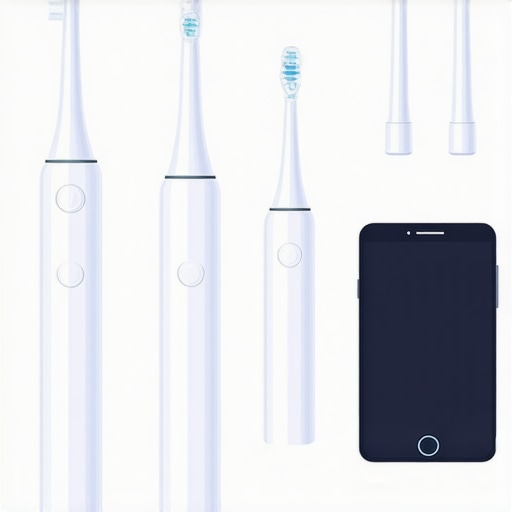
Staying consistent with your dental routine is just the beginning; having the right tools makes all the difference. I personally swear by a high-quality electric toothbrush like the Sonicare DiamondClean, which offers multiple cleaning modes tailored to sensitive gums and plaque removal. It ensures thorough cleaning, especially around crowns and Invisalign attachments, reducing plaque buildup that can compromise long-term results.
Another essential item is a Water Flosser, such as the Waterpik Aquarius. Unlike traditional floss, it can reach and clean around misaligned teeth, crowns, and braces more effectively, flushing out debris that brushing might miss. I’ve found it invaluable in maintaining gum health, preventing inflammation that could jeopardize crown longevity or Invisalign progress.
For monitoring progress and staying informed, I recommend using professional-grade software like DentalMonitoring, which allows your dentist to remotely track your Invisalign or crown wear. This proactive approach enables early detection of issues, saving time and avoiding costly corrections. As the trend shifts toward digital dentistry, these tools are becoming staples in effective family dental care, ensuring that the treatment stays on course well beyond initial adjustments.
How do I maintain my appliances and tools over time?
Regular cleaning is essential. For instance, Sonicare brushes should be replaced every three months to maintain optimal plaque removal efficiency. Water Flossers need weekly descaling to prevent bacterial buildup, which can lead to infections or discoloration. Keep your appliances in a dry, clean place, and follow manufacturer instructions to maximize their lifespan and effectiveness.
In addition, scheduling periodic professional cleanings and checkups is paramount. These visits help fine-tune your treatment, address wear and tear—especially on crowns or Invisalign trays—and prevent issues from escalating. Utilizing these tools in tandem with routine visits embodies a preventive approach that preserves your family’s oral health and ensures your investment yields excellent, long-term results.
Looking ahead, the integration of smart technology into dental appliances is poised to revolutionize home care. Devices that sync with mobile apps to provide real-time feedback and reminders will make maintaining your oral health more intuitive and personalized. For now, embrace these proven tools, and consider trying out the latest in digital monitoring to keep your smile in perfect condition for years to come.
 When I first started my Invisalign journey, I underestimated how much small details could make or break my progress. That lightbulb moment taught me that the journey to a better smile involves more than just wearing aligners — it’s about understanding hidden factors and embracing proactive habits. After years of personal experience and research, I want to share insights that can help you avoid common pitfalls and unlock the full potential of your treatment.
What No One Tells You About Jaw Discomfort and Invisalign
Jaw pain isn’t just a side effect — it’s a signal. Recognizing that discomfort can be an indicator of aligner fit issues or bite adjustments is crucial. Addressing these early by consulting with your dentist can save you from prolonged pain and prevent TMJ complications. I discovered that paying close attention to how my jaw responded after each aligner change allowed me to fine-tune my routine, preventing unnecessary strain.
My Secret Weapon: Small Adjustments with Big Impact
Gently soaking my aligners before seating them reduced pressure points. Applying soft silicone cushions when chewing distributed force evenly, alleviating discomfort. These little tweaks transformed my experience from painful to comfortable, reminding me that patience and gentle handling are essential during your Invisalign journey.
Tools That Elevated My Oral Health Game
Investing in a quality electric toothbrush like Sonicare DiamondClean made a difference in cleaning around crowns and attachments. Using a Water Flosser helped me reach areas traditional floss couldn’t. These tools, combined with regular dental check-ins, created a safety net that kept my teeth and gums healthy throughout treatment. I wholeheartedly recommend exploring digital monitoring solutions, which enable your dentist to track progress remotely, catching issues early.
Embrace the Learning Curve, and Celebrate Your Progress
Understanding that minor setbacks — like mild soreness or the need for adjustments — are part of the process helped me stay motivated. Each challenge offered an opportunity to learn more about my unique needs, reinforcing that personalized care and patience lead to long-lasting results.
Insights That Changed My Approach to Family Dentistry and Invisalign
- Consistent communication with your dentist isn’t optional — it’s your secret weapon for a smooth treatment.
- Handling aligners with care, avoiding forceful seating, minimizes discomfort and fit issues.
- Regularly tracking discomfort or anomalies helps catch problems before they escalate.
- Investing in effective tools enhances daily oral hygiene, making maintenance easier and more effective.
- Staying informed about innovative technologies, like digital monitoring, keeps your treatment on track with less stress.
How to Move Forward Brightly
Remember, your journey to a healthier, more confident smile is filled with learning and small victories. Embrace proactive habits, utilize trusted tools, and maintain open communication with your family dentist. The path to effective oral health and successful Invisalign treatment is uniquely yours — and every step forward is a testament to your commitment.
What’s one small change you plan to implement today to improve your Invisalign experience? Share your thoughts below and let’s support each other on the road to confident smiles!