
The reason your teeth feel loose when you first start Invisalign
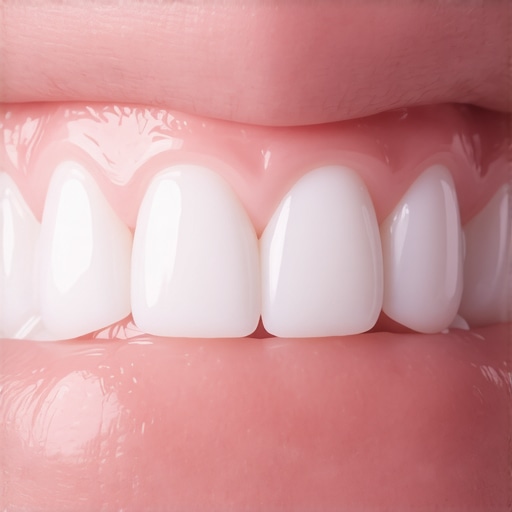
It happened to me during my first Invisalign journey—one morning, I noticed my teeth felt a bit wobbly, almost as if I had just finished a long workout but with my smile. That strange sensation initially freaked me out. I wondered, “Is this normal? Am I damaging my teeth?” Turns out, it’s a common part of the Invisalign process, but for many, it sparks real concern. If you’ve recently begun Invisalign, and that feeling of looseness has crept in, you’re not alone—and today, I promise to shed light on why it happens and how to handle it confidently.
Understanding Why Invisalign Makes Your Teeth Feel Looser
What’s really happening to your smile?
The sensation of looseness is actually a good sign that your treatment is working. Invisalign trays exert gentle pressure to shift your teeth into their ideal position, which naturally causes them to feel a bit wobbly initially. It’s akin to a muscle getting stronger with exercise—your teeth are adjusting to a new alignment, and this slight movement is part of that process. Early in treatment, I made the mistake of overreacting and worrying unnecessarily, which only added stress. Instead, understanding this natural phase helped me stay calm and patient.
You might be surprised to learn that this feeling can last a few days to a couple of weeks, depending on the extent of movement. And while it might seem unsettling, it’s actually a positive indicator that your aligners are doing their job.
Think of it like this: your teeth are getting a mini workout, and just like with physical exercise, some soreness and looseness are temporary. To reassure yourself and your smile, visiting your family dentist regularly can help track your progress and address any concerns—sometimes, a simple adjustment is all that’s needed. Want to learn more about ensuring your oral health during Invisalign? Check out family dentistry secrets for maintaining oral health.
Is the feeling of loose teeth actually worth the hype?
Haven’t I damaged my teeth?
Early on, I made a crucial mistake—underestimating how normal this sensation was. I worried I might be causing damage or that my teeth might fall out. Both concerns are understandable, but the truth is, this is a natural step in Invisalign treatment. According to dental experts, mild loosening during orthodontic movement signifies that the treatment is effectively repositioning your teeth. So yes, it’s a sign of progress, not disaster.
If you’re feeling anxious about your loose teeth, consult your dentist or orthodontist. They can reassure you and adjust your treatment plan if necessary. Remember, being informed and proactive makes all the difference in your orthodontic journey.
Are you currently experiencing this sensation? Share your experience—I’d love to hear how you’re managing it, and perhaps, my tips can help make this phase a lot more comfortable.
Secure Your Smile: Essential Maintenance Steps
Keep Your Aligners Clean and Properly Fitted
Whenever I felt my teeth loosening, I immediately checked if my Invisalign trays fit snugly, as improper fit can cause unnecessary movement or discomfort. To do this, I removed the aligners carefully and examined their fit against my teeth, ensuring no debris was causing looseness. Regularly cleaning your trays with a gentle brush and avoiding hot water maintains their shape and fit. This straightforward step prevents added looseness and keeps your treatment on track.
Stay Consistent with Wearing Schedule
Consistency is key. I made a habit of wearing my Invisalign trays for the recommended 20-22 hours daily, which minimized unexpected movement. Skipping a day or wearing them inconsistently can lead to uneven pressure, making teeth feel looser or tighter. Using a timer or reminder app helps reinforce good habits and avoids mishaps during your treatment.
Manage Soreness and Looseness With Gentle Techniques
During my experience, applying ice packs on the jaw helped reduce inflammation and ease discomfort caused by tooth movement. Over-the-counter pain relievers like ibuprofen also proved effective when discomfort persisted. These methods don’t interfere with treatment progress and help maintain comfort during periods of increased looseness. Remember, slight looseness indicates effective movement, but persistent pain warrants professional advice.
Identify When to Explore Additional Measures
Regular Dental Check-Ups Are Crucial
I scheduled routine visits to my dentist, who confirmed that mild looseness is a sign of productive movement. During these appointments, professionals can adjust or reinforce your treatment if necessary. If the looseness becomes severe or persists beyond a couple of weeks, seeking expert guidance ensures your safety and optimal results. Regular check-ups help track progress and prevent unwanted complications.
Address Lingering Concerns Immediately
One day, I noticed my teeth felt unusually loose and scheduled a quick consultation. The dentist reassured me that this was typical during initial movements, but any sharp pain or excessive looseness needed prompt evaluation. They examined my aligners and my oral health, noting no damage or complications. An early professional assessment avoids potential issues and provides peace of mind.
Adjust Your Expectations and Keep Calm
Experiencing looseness can be unsettling, but understanding it as a normal part of Invisalign treatment helps keep anxiety at bay. Remember, this phase signifies your teeth are responding well to treatment. For more insights on maintaining oral health while undergoing orthodontic procedures, explore family dentistry secrets for maintaining oral health.
While many believe they fully grasp dental solutions like crowns and Invisalign, several nuanced misconceptions still persist among the public. One major myth is that all dental crowns are purely cosmetic; in reality, modern crowns often serve both functional and aesthetic purposes, improving oral health deeply—learn more about how crowns can enhance your smile and oral health. A sneaky trap involves the belief that Invisalign is only for minor teeth adjustments; however, advanced cases, including complex bite corrections, benefit from Invisalign’s innovations, as I discuss in debunking Invisalign myths. What’s often overlooked is the assumption that maintaining oral health is merely about brushing and flossing; yet, it requires understanding when oral bacteria become resistant, leading to issues like cavities or gum disease check out top oral health tips. Now, here’s a question for the savvy: Are there advanced mistakes that even regular dental visits might overlook? It turns out, yes—certain habits, like using super-strong whitening products without professional guidance, can cause more harm than good, as a study in the Journal of Esthetic and Restorative Dentistry suggests, highlighting the importance of expert advice.
How can a deeper understanding of dental materials and techniques prevent costly mistakes?
By aligning your knowledge with current research and expert recommendations, you can avoid costly procedures down the line. Remember, dental health isn’t static; ongoing advancements continually reshape best practices. Want to master your dental care? Dive into how crowns revolutionize restorative treatments and stay ahead. Have you ever fallen into this trap? Let me know in the comments.Maintaining your dental progress, whether from crowns, Invisalign, or general family dentistry, requires the right tools and a strategic approach. Over the years, I’ve honed a set of specific instruments and techniques that ensure long-term success. First, using an ultrasonic toothbrush like the Philips Sonicare DiamondClean proves invaluable. Its powerful yet gentle vibrations effectively remove plaque and debris, especially around crowns and veneers, reducing the risk of decay and gum issues. I personally prefer this model because its multiple cleaning modes allow you to customize your routine, ensuring thorough yet gentle cleaning.
Next, investing in high-quality flossing devices makes a real difference. I recommend the Waterpik Aquarius, which combines traditional flossing with water jet technology. It’s especially useful for cleaning around Invisalign attachments and hard-to-reach areas, preventing bacteria buildup. Regular use not only preserves oral health but also prolongs the lifespan of dental restorations.
For tracking and maintaining optimal oral health, I rely on dental monitoring apps like Dentally. These apps enable me to set reminders for routine checks, record observations, and share updates with my dentist, integrating technology seamlessly into my routine. As digital health tools evolve, I foresee more personalized monitoring systems that can detect early signs of wear or decay, enabling proactive care.
In addition, maintaining a dedicated oral hygiene routine with professional advice is crucial. I schedule biannual check-ups to assess the condition of crowns and aligners, and to make minor adjustments as needed. Regular professional cleaning prevents plaque buildup that can compromise restorations or orthodontic work. To explore how crowns can enhance your smile further, visit this comprehensive guide on crowns.
Looking ahead, advancements in dental tech suggest that future tools may include AI-powered at-home diagnostics, allowing for even more precise maintenance. Embracing these innovations early on can save time and money, and ensure your smile stays beautiful and healthy.
If you want to give your dental maintenance a serious upgrade, I highly recommend trying out a high-frequency sonic toothbrush combined with an advanced water flosser. These tools, paired with regular professional care, form a powerhouse for long-term oral health.
Remember, consistent use of effective tools not only preserves your current results but sets the stage for a radiant, healthy smile for years to come. Want to learn more about the latest in family dentistry? Check out the latest trends in family dental care. Don’t wait—start integrating these tools into your routine today and experience the difference they make.
How I Learned the Power of Patience and Observation
One of the most eye-opening lessons during my Invisalign experience was realizing that the slight looseness I felt in my teeth was not a sign of damage but a sign of progress. Recognizing this helped me conquer fears and stay committed, understanding that each wobble meant my teeth were moving closer to alignment. This insight became a cornerstone of my journey—trust your body’s signals and let patience guide you.
Why Overlooking Professional Advice Can Cost You More Than You Think
I once considered skipping a routine check-up, thinking I was handling everything on my own. But my dentist’s reassurance and expert adjustments proved invaluable, preventing small issues from becoming costly repairs. Regular professional guidance is not just a safety net—it’s a vital partner in crafting your perfect smile and maintaining oral health long-term.
The Tiny Details That Make a Big Difference in Oral Wellbeing
From choosing the right toothbrush to mastering flossing around Invisalign attachments, paying attention to these small steps dramatically improves results. Tools like the Philips Sonicare DiamondClean and Waterpik Aquarius became my allies in keeping my smile healthy and radiant. Investing in quality tools and routine habits is an act of kindness toward your future self.
How Embracing Innovation Transformed My Family’s Dental Care
Digital health tools like dental monitoring apps empowered me to track progress and stay connected with my dentist between visits. As technology advances, I believe that embracing these innovations will make family dentistry more personalized, preventive, and less invasive. Stay curious about new tech—they’re the secret weapons for a lifetime of healthy smiles.
What I Wish I Knew When Starting My Invisalign Journey
Looking back, I realize the biggest mistake was doubting the process. The key is understanding that feeling occasional looseness is normal, and it’s a sign that your treatment is working. Don’t rush or second-guess—trust the process, keep your routines consistent, and celebrate small victories. Your smile’s transformation is a marathon, not a sprint.
Elevate Your Dental Routine with Tools and Tricks That Last
Using high-quality tools like the Sonicare and Waterpik made my daily routine effective and enjoyable. Couple that with biannual professional cleanings, and you set a foundation for durable results. Remember, maintaining your oral health is an ongoing journey—equip yourself with the right tools and knowledge, and enjoy the process of a beautiful, confident smile.
Your Turn to Shine Bright
Embracing the nuances of Invisalign and family dentistry has truly transformed my outlook on oral health. The journey is personal but accessible—everyone can achieve a smile they’re proud of with patience, knowledge, and the right tools. Keep exploring, learning, and caring for your smile. Your future self will thank you.
Which step in your dental routine do you think deserves an upgrade? Share your thoughts—I’d love to hear what works for you and how you’re making your dental health a priority.
,