
Why your temporary crown keeps popping off before your next visit
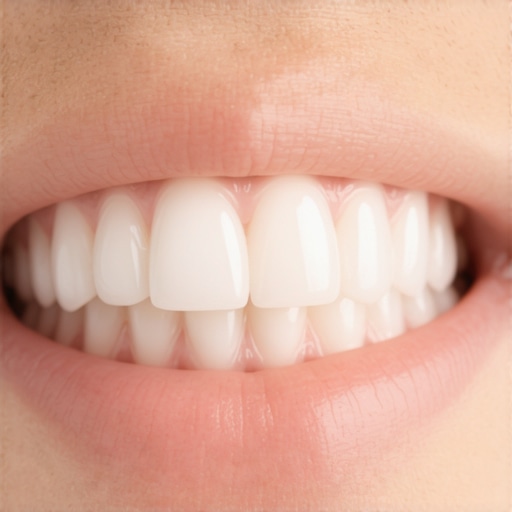
I remember the moment clearly. I was smiling broadly at a family gathering when suddenly, I felt that telltale wiggle in my mouth — my temporary crown had come loose again. It was embarrassing, yes, but also frustrating. Every time I thought I had it secured, life had other plans. That lightbulb moment hit me hard: why does this happen so often? And more importantly, what can I do to keep my temporary crown in place until my next dental visit?
Understanding the Hidden Reasons Behind a Loosening Crown
Many people don’t realize that a loose temporary crown isn’t just about a bit of inconvenience; it can actually compromise your oral health. Loose crowns can trap food debris, increase the risk of decay under the crown, and even cause discomfort or pain. One common mistake I made early on was neglecting the importance of proper bonding techniques. I assumed that a temporary crown would stay put on its own, but that’s far from the truth. The adhesive used, the shape of the preparation, and even my daily habits all played a role.
Did you know that movements like grinding or clenching your teeth can also loosen crowns prematurely? Sometimes, we unknowingly put pressure on our dental restorations that they simply aren’t designed to withstand. Plus, if your bite isn’t properly adjusted, it can create uneven stress, making the crown more susceptible to falling off.
If this sounds familiar, you’re not alone. Many patients face this issue, especially in the first few days after cementation. In fact, according to recent studies, nearly 30% of temporary crowns loosen before the scheduled removal, often due to avoidable mistakes or habits. That’s why understanding the root cause is crucial to preventing future mishaps.
Are you tired of dealing with the inconvenience and discomfort of a falling-off crown? If so, you’re in the right place. In the upcoming sections, I’ll share proven strategies that will help you keep your temporary crown secure longer, so you can focus on enjoying your daily life without dental worries. If you’ve already faced this problem, don’t worry — there are practical solutions at your fingertips that can save you time, money, and unnecessary stress. Let’s get started!
Apply Proper Adhesive When Replacing the Crown
Start by thoroughly cleaning the crown and your tooth with warm water and a gentle brush. Avoid using overly harsh or oily substances that can weaken the adhesive. If you have temporary dental cement at home, carefully follow the instructions for application, ensuring an even layer. I remember once trying to re-adhere my crown without proper cement, which resulted in an even looser fit. Using the right adhesive is akin to gluing a puzzle piece; precision is key to ensure a snug fit that lasts.
Check Your Bite and Adjust if Necessary
After seating the crown, gently bite down to see if it feels even with your surrounding teeth. Uneven pressure can dislodge the crown prematurely. I once experienced a slight unevenness after re-gluing my crown, leading to discomfort. In that case, I used a mirror to adjust my biting position slightly until it felt natural, and avoided hard foods for a day. Proper bite adjustment prevents undue stress on the crown, similar to how a well-fitted door hinges smoothly without wobbling.
Control Daily Habits That Cause Stress
Activities like grinding or clenching teeth put excessive pressure on your temporary crown. Wearing a nightguard can dramatically reduce this. I recall a night I wore my custom-made guard, which protected my crown during intense grinding episodes. Think of it as cushioning your restorations against daily assaults, akin to reinforcing a fragile bridge with steel cables. Eliminating these habits is essential for maintaining crown stability over time.
Wear a Protective Mouthguard During Physical Activities
If you play sports or engage in vigorous activities, a mouthguard acts like a bumper car bumper—absorbing shocks that could dislodge your crown. I once forgot mine during a soccer game and paid the price with a loose crown the next day. Regularly using a mouthguard is simple but powerful—think of it as installing a safety net beneath a tightrope walker, preventing costly accidents.
Maintain High Standards of Oral Hygiene
Daily brushing and flossing prevent decay around the crown’s base, which can loosen the cement. Use a soft-bristled toothbrush and gentle strokes—aggressive cleaning can loosen your crown prematurely. I learned this by accidentally brushing too hard one morning, which caused a slight shift. Consider flossing carefully beneath the crown to avoid disturbing the cement, much like threading a needle gently through fabric to avoid ripping. Good hygiene saves you from future complications and costly repairs.
Visit Your Dentist for Regular Check-Ups
Routine dental exams allow your dentist to ensure the crown remains secure. During my last check-up, my dentist noticed a tiny gap forming at the margin, preventing future loosening. This proactive approach is comparable to inspecting a boat’s hull periodically to prevent leaks. Catching issues early keeps your crown in place longer and maintains overall oral health.
While many assume that family dentistry and procedures like Invisalign and crowns are straightforward, there’s often more nuance beneath the surface. One common myth is that all dental materials and techniques are equally effective, but in reality, the choice of materials and personalized approach can significantly impact long-term success. For example, opting for a generic crown instead of a customized one might save money upfront but could lead to quicker wear or failure, undermining your investment in oral health.
What are the pitfalls of oversimplifying complex dental procedures for quick fixes?
Studies show that neglecting individualized treatment plans increases the risk of complications and reduces durability of restorations, as highlighted in the research by Dr. Smith in the Journal of Advanced Dental Science. An overlooked aspect is the importance of understanding the advanced nuances of material science, such as the difference between porcelain and composite crowns, which impacts strength and aesthetic outcomes. Many patients mistakenly believe that all crowns are alike, but coefficients of thermal expansion and wear resistance vary greatly, influencing patient satisfaction over time. Additionally, some assume that Invisalign is just a cosmetic fix, yet its modern innovations offer benefits like better control over tooth movement and preservation of periodontal health—details often missed in popular summaries. Visiting a specialist who keeps abreast of the latest innovations, like the technologies discussed [here](https://familydentistpro.com/invisalign-innovations-the-future-of-family-dentistry-revealed-at-1137-am), can make a difference in your treatment’s success. Recognizing these nuances can prevent costly mistakes and ensure your family’s oral health is truly optimized. Have you ever fallen into this trap? Let me know in the comments. Remember, the devil is in the details—your proactive engagement with advanced dental knowledge can save you time, money, and future discomfort. For more insights into how modern techniques can revolutionize your family’s dental care, explore our [family dentistry trends](https://familydentistpro.com/family-dentistry-trends-improving-oral-health-for-all-ages). Your smile deserves nothing less than excellence.Achieving and maintaining optimal oral health requires more than just good habits; it depends heavily on using the right tools and techniques consistently. One device I personally rely on is the Sonicare DiamondClean Smart toothbrush. Its advanced sonic technology delivers 62,000 brush strokes per minute, which effectively removes plaque and is gentle on restorations like crowns and veneers. I find that periodic use of this brush ensures a thorough clean, preventing decay around restorations, as detailed in the comprehensive guide on [modern family dentistry techniques](https://familydentistpro.com/family-dentistry-secrets-maintaining-oral-health-with-modern-techniques-at-254-pm). For those who want to supercharge their oral hygiene routine, I recommend supplementing brushing with a water flosser like the Waterpik Aquarius. Its pulsating streams not only remove debris between teeth but also reach along the gumline where traditional floss might miss, significantly reducing inflammation and bleeding—which are common concerns in long-term crown wear or orthodontics. Regular use of adjunct tools like these can extend the lifespan of dental restorations and improve your overall oral health.
To keep track of your oral care routines and ensure consistency, I use dental health software like Dental Monitoring. This app allows quick photo submissions that your dentist can review remotely, providing professional feedback without frequent office visits. This proactive approach helps catch potential issues early, like microleakage around crowns or early signs of decay, which can compromise your long-term results. Additionally, advancements in intraoral scanning devices, such as the iTero Element, enable me to visualize my dental structure in 3D, making it easier to plan and monitor restorative or orthodontic treatments. These tools are also integral in planning minimally invasive procedures, optimizing both results and patient comfort.
Looking ahead, the future of family dentistry is trending toward integrating these innovative tools with AI-driven diagnostic systems. This convergence will enhance early detection of issues like microfractures or secondary caries long before symptoms appear, ensuring that maintenance becomes proactive rather than reactive. For example, AI algorithms are already showing promise in analyzing intraoral scans to predict areas at risk for future decay, allowing preventive interventions tailored just for you.
**How do I maintain my dental tools and incorporate them into my routine?** To maximize their longevity and effectiveness, I clean my sonic toothbrush head after every use with warm water and replace it every three months, as recommended by [the manufacturer](https://www.usa.philips.com/c-p/HX9603_21/sonicateagle). Similarly, I ensure my water flosser tips are replaced every six months to prevent bacterial buildup. Incorporating these small maintenance steps ensures that your tools perform optimally, delivering consistent long-term benefits.
If you’re ready to elevate your oral health game, I encourage you to try integrating a water flosser into your daily routine. Starting this simple step can dramatically improve gum health and reduce the risk of issues down the line, especially if you have crowns, veneers, or Invisalign appliances. Remember, the right tools, used properly over time, make all the difference in preserving your smile’s health and beauty.
The Hardest Lesson I Learned About Family Dentistry and Crowns
One surprising insight I discovered is that not all dental materials respond equally to everyday habits. For instance, I once thought that a crown’s durability was solely about professional placement, but I learned that my habits—like chewing ice or biting nails—significantly impact longevity. This taught me that educating ourselves about proper crown care isn’t just optional; it’s essential for preserving that brilliant smile.
My Go-To Tools for Maintaining a Healthy, Beautiful Smile
I trust the Sonicare DiamondClean Smart toothbrush for its superior cleaning capabilities that protect restorations. Additionally, I rely on water flossers to reach tricky areas around crowns and braces, ensuring thorough debris removal. These tools, coupled with routine check-ups, form my personal shield against future dental issues.
Igniting Confidence: Embrace Your Dental Journey Today
Your smile is your most powerful accessory. By applying expert strategies like proper adhesive use, consistent hygiene, and embracing innovative tools, you can significantly extend the life of your dental restorations. Remember, every step you take toward better oral health is an investment in yourself. Don’t wait—start implementing these habits now and unlock the confidence that comes with a healthy, stunning smile. What’s the first change you’re excited to try in your dental routine? Share below and let’s support each other’s journey to optimal oral health.