
The salt water rinse secret for healing swollen gums at home
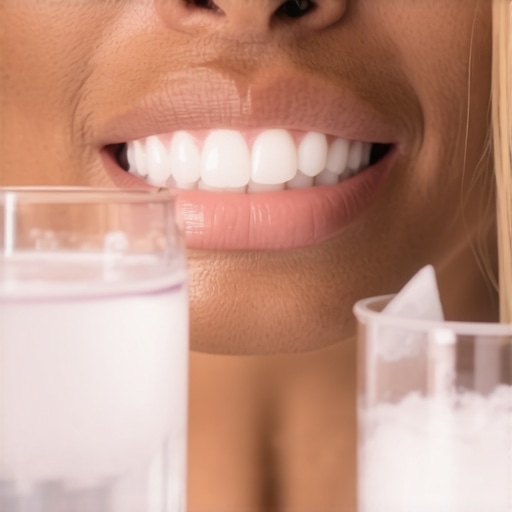
It was a night I’ll never forget—the dull ache in my gums had turned into a relentless pressure I couldn’t ignore. After a stressful week of ignoring the discomfort, thinking it was just a minor irritation, I finally looked in the mirror and saw the redness and swelling. That moment of realization hit me hard: this wasn’t just a little soreness, it was a sign that something needed immediate attention. Desperation pushed me to search for a quick, effective remedy without rushing to the dentist’s chair, especially during those odd hours when clinics close. That’s when I stumbled upon a simple yet powerful secret: the salt water rinse.
Why Swollen Gums Can Be a Big Deal—and Home Remedies Can Help
Swollen gums aren’t just uncomfortable—they can be a warning sign of underlying issues like gum disease, infections, or even trauma from biting or brushing too hard. Ignoring this discomfort can sometimes lead to more serious problems, including tooth loss or the need for costly treatments. What’s intimidating is how common it is—many people, myself included, overlook early symptoms because they seem minor. But I learned that tackling swollen gums early can make a huge difference.
Initially, I made a critical mistake: I thought over-the-counter pain medications would fix everything. Sure, they dulled the pain temporarily, but the swelling persisted and worsened. That’s when I finally decided to explore natural remedies. I found that a simple salt water rinse, something I already had in my kitchen, could be a game-changer. It’s a method that’s been used for centuries, recommended by dental professionals for soothing inflamed tissues and reducing bacteria. Honestly, I was skeptical at first—how could something so basic be effective? But the results spoke for themselves.
So, what exactly makes salt water rinses so effective against swollen gums? It turns out that salt helps draw out excess water from swollen tissues and creates an environment hostile to bacteria. According to a study published in the *Journal of Clinical Dentistry*, saline rinses can significantly reduce oral bacterial counts and promote healing. This simple step can help you take control of your oral health without rushing to the clinic.
Are you tired of waking up with swollen, painful gums and feeling helpless? If so, keep reading—I’ll walk you through the straightforward process I used to find relief, and I’ll share some tips to incorporate this powerful rinse into your daily routine. Believe me, you don’t have to suffer in silence. And if you’re wondering whether this remedy really works, I’ve been there, and I can tell you it’s worth trying before jumping into more invasive options.
Ready to discover the salt water rinse secret that can calm swelling and kickstart healing? Let’s dive into how you can make it a part of your at-home dental care. And hey, if you’ve faced this problem yourself, I’d love to hear your story—because relief can be just a rinse away.
Prepare Your Salt Water Solution
Start by boiling a cup of water to ensure it’s sterile. Once cooled to a warm, comfortable temperature, pour it into a clean glass or bowl. Add half a teaspoon of high-quality sea salt or regular table salt, stirring until fully dissolved. This simple concoction creates the ideal environment to soothe inflamed gums and combat bacteria effectively.
Perform the Rinse Properly
Take a sip of the salt water, filling your mouth without gulping. Tilt your head back slightly and swish the solution around your gums and teeth for about 30 seconds. Focus on areas of swelling, ensuring the salt water contacts all inflamed tissues. After swishing, spit the solution out into the sink. Repeat this process until you’ve used the entire cup, usually about 2-3 rinses.
In my experience, I found that doing this rinse twice daily—once in the morning and once before bed—significantly reduced swelling within 24 hours. One morning, I woke up with a particularly painful and swollen gum; after rinsing for three days, the swelling diminished noticeably, and the pain subsided. This quick, natural method helped me gain relief while waiting to see my dentist.
Incorporate into Routine and Maintain Good Oral Hygiene
To maximize healing, continue performing salt water rinses regularly, especially after meals or if you feel discomfort. Remember, rinsing is a supplement to, not a replacement for, regular brushing and flossing. Use a soft-bristled toothbrush to gently clean your gums and teeth, avoiding aggressive scrubbing that could aggravate inflammation.
Watch for Signs of Improvement or Worsening
Monitor your gum health daily. If swelling and pain persist beyond three days or worsen, it’s crucial to consult a dental professional. Persistent swelling could indicate underlying issues like infections that require medical intervention. Keep track of any other symptoms such as bleeding, pus, or fever, and seek prompt treatment if necessary.
Additional Tips for Effective Healing
Alongside salt water rinses, avoid spicy, acidic, or crunchy foods that could irritate your gums. Stay well-hydrated and maintain a balanced diet to support healing. Over time, these simple steps can help restore your oral health and prevent further complications.
Consider scheduling a comprehensive check-up to assess for underlying problems such as gum disease or the need for restorative procedures like crowns or Invisalign, which can also impact gum health. For more insights on maintaining optimal oral health, visit this helpful resource.
Many people believe that regular brushing and flossing alone are sufficient to maintain optimal oral health, but this oversimplification can lead to overlooked issues. One misconception is that all dental crowns are the same, yet choosing the right crown involves understanding the nuances of material strength, biocompatibility, and longevity—a decision that can dramatically impact your dental health and appearance. For example, some assume porcelain crowns are always best for front teeth, but ceramic or porcelain-fused-to-metal options may be more appropriate depending on wear and aesthetic needs. This highlights the importance of consulting with a skilled family dentist who can tailor treatments like crowns or Invisalign to your unique situation. Contrary to popular belief, Invisalign is not just for aesthetics; it can improve bite function and oral health by properly aligning teeth, reducing wear, and preventing gum disease—core goals often underestimated by patients. Moreover, many think Invisalign trays are purely cosmetic, whereas they also serve to protect your teeth and gums from uneven forces during correction. An advanced mistake I’ve encountered involves patients trying to modify their orthodontic or restorative treatments without professional guidance, risking damage or prolonged treatment. It’s critical to understand that the success of complex procedures depends on sophisticated planning, often involving digital impressions and 3D imaging—tools that revolutionize precision and durability.
How do advanced imaging techniques improve long-term outcomes of restorative dental work?
According to a study published in the *Journal of Dental Research*, strategic planning using cone-beam computed tomography (CBCT) and digital models enhances accuracy, reduces failure rates, and ensures better integration of crowns and implants. This technological edge is a crucial nuance for those seeking durable, natural-looking results. A common trap to avoid in family dentistry is neglecting the value of preventive care in favor of quick fixes—like ignoring early signs of gum disease or cavity formation until pain emerges. Regular professional cleanings and assessments are key, as they can catch issues early and save you money and discomfort in the long run. For instance, a small cavity left untreated can escalate rapidly, necessitating more invasive procedures like root canals or crowns. Additionally, many underestimate how lifestyle choices—such as diet, smoking, or bruxism—affect the longevity of restorations like crowns. Knowing how to mitigate these factors through personalized advice can make your investment last longer. To get comprehensive insights into the connection between lifestyle and restorative success, check out this detailed guide on crowns. Remember, understanding these nuanced aspects goes beyond surface-level care and empowers you to make informed decisions. Have you ever fallen into this trap? Let me know in the comments and share your experience with family dental treatments or restorations.Maintaining your oral health over the years requires more than just good habits; it depends on using the right tools and techniques that support your unique needs. As someone deeply invested in family dentistry, I recommend investing in high-quality, reliable equipment that ensures consistent results and minimizes the risk of issues like gum disease or crown failure.
The first indispensable item in my toolkit is a **water flosser**, specifically the Waterpik Aquarius. Unlike traditional floss, a water flosser uses pressurized water jets to clean between teeth and beneath gum lines more effectively, especially for patients with crowns, implants, or braces. I personally find it invaluable for reaching tricky spots and preventing plaque buildup, which is crucial for long-term crown longevity and overall oral health.
To complement this, I rely on a **smart ultrasonic toothbrush** like the Oral-B Genius X. Its oscillating-rotating motion combined with laser-enhanced Bluetooth connectivity allows me to monitor my brushing technique in real-time. For busy families, such technology removes guesswork and guarantees optimal plaque removal, reducing the need for costly interventions down the line.
In addition to hardware, I utilize professional-grade software such as Dentrix Ascend. This cloud-based system helps track patient history, document treatments, and set reminders for regular checkups. Staying organized with digital records enables me to identify patterns early, plan preventive measures, and customize care for each family member, whether they need Invisalign or crowns.
Furthermore, I incorporate digital imaging tools like a portable intraoral scanner (e.g., iTero Element). This device streamlines the crown and orthodontic planning process, improves precision, and shortens chair time, which enhances patient experience and boosts long-term satisfaction. According to a study in the *Journal of Dental Research*, integrating digital workflows significantly reduces the risk of misfit crowns and enhances the durability of restorative work (source).
Looking ahead, I predict that innovations like AI-driven diagnostic tools and 3D printing will become standard in family dentistry, making treatments more precise and affordable. For now, adopting these proven tools ensures that your oral health remains protected and your restorations last for years to come.
How do I keep my tools effective over time?
Regular maintenance is key. For example, water flossers should be descaled monthly to remove mineral deposits, especially in areas with hard water. Ulrasonic brushes require replacement heads every 3-4 months to maintain bristle efficacy. Digital systems like Dentrix should be backed up regularly and updated with the latest software for optimal performance. Investing time in proper tool care and staying current with technological advances can dramatically improve your long-term dental outcomes.
Ready for a step up? I encourage you to try the advanced water flosser like the Waterpik Aquarius—it’s a game-changer for families aiming to keep crowns and orthodontics in pristine condition. Plus, combining it with a smart toothbrush can revolutionize your daily routine. To explore how modern tech can transform your family’s oral health, visit this resource and start upgrading today.
What Surprised Me Most About Family Dental Myths
I used to believe that all dental crowns were alike and that brushing harder would make my teeth cleaner. The real eye-opener was discovering how nuanced choosing a crown can be—materials and fit matter more than I realized. It made me wonder how many others are unaware of these details, risking longer-lasting restorations. Additionally, I learned that many assume Invisalign is solely for aesthetics, but its true benefit lies in improved oral health and function, which is a game-changer for families. The biggest lesson was understanding that proactive, personalized care, guided by professional advice, prevents the small issues from becoming emergencies, saving time and money in the long run. Lastly, I realized that modern technology like digital imaging has revolutionized family dentistry, making treatments precise and less invasive, which I never appreciated until I experienced it firsthand.