
How long the swelling actually lasts after a dental implant surgery
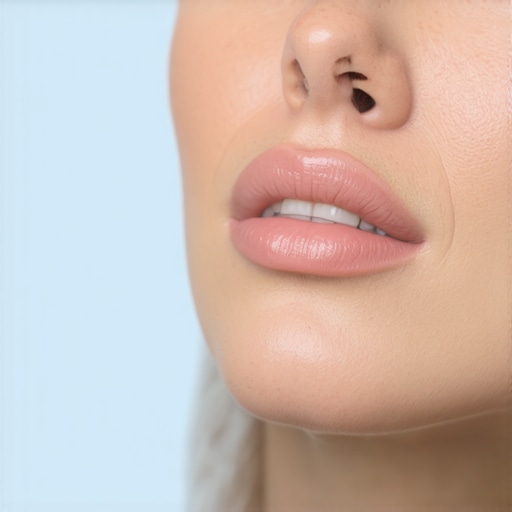
I’ll never forget the moment I looked in the mirror after my dental implant procedure and saw my face swollen like I’d been stung by a bee. It was a crushing reality check—swelling that seemed to last forever, making me wonder if I had made a terrible mistake. If you’ve recently undergone or are about to have a dental implant, chances are you’re anxious about how long the swelling will stick around. Believe me, I’ve been there, and I want to share what I learned from my experience.
Why Swelling Can Feel Like an Eternity
Swelling after dental implant surgery is completely normal. Your body reacts to the trauma by increasing blood flow and sending healing cells to the area, which often results in puffiness and discomfort. But just how long does this swelling typically last? Well, the answer isn’t the same for everyone. For most people, swelling peaks around the second or third day and gradually subsides within a week. However, that initial discomfort can stretch out if you’re not managing it properly. Early on, I made the mistake of thinking ice packs were enough—until I learned that consistent, proper care can significantly speed up the healing process and reduce swelling faster. Curious about how to minimize this swelling effectively? Stick with me, and I’ll guide you through reliable strategies for a smoother recovery.
Will Swelling Ever Just Disappear on Its Own? The Skeptic’s Doubt
It’s a common worry—does swelling just take its sweet time, or are there ways to make it go away sooner? In the beginning, I believed that if I waited long enough, everything would be fine. Turns out, this was a mistake. Ignoring signs of excessive swelling or not following post-operative instructions can prolong recovery. For example, I overlooked the importance of maintaining a soft diet and keeping my head elevated, and as a result, my swelling lasted longer than necessary. Did you know that improper care can sometimes lead to complications, making recovery tougher? True healing involves proactive steps, not passive waiting. Want to see how simple habits can significantly improve your comfort? Keep reading—solutions are coming your way, backed by expert advice and personal trial.
Start with Proper Ice Pack Usage
Immediately after surgery, I learned that applying an ice pack can significantly reduce swelling. Wrap a cold pack in a thin towel to prevent ice burn, and hold it against your cheek for 15-minute intervals, ensuring at least 15-minute breaks between sessions. Consistency is key—initially, I kept forgetting and saw swelling linger longer than necessary. Proper application constricts blood vessels, limiting fluid buildup, much like crushing a water balloon to prevent overinflation.
Keep Your Head Elevated
During my first night post-surgery, I propped myself up with pillows, which prevented blood from pooling in my face. Elevate your head above heart level while lying down to facilitate drainage of fluids and reduce swelling. Think of it as giving your body a gentle slope to encourage healing fluids to flow away from the surgical site, akin to draining excess water from a sponge.
Follow a Soft Diet Immediately
I initially ate hard foods, unintentionally irritating the area and worsening swelling. Shift to a soft, nutritious diet—yogurt, smoothies, mashed potatoes—to avoid trauma to the surgical site. Imagine trying to clean a delicate painting with a rough cloth; gentle handling preserves the artwork—here, your healing tissue.
Maintain Gentle Oral Hygiene
While cleaning your teeth, be careful around the surgical site. Use a soft-bristled toothbrush and avoid vigorous rinsing that can dislodge clots. Commence gentle rinses with salt water (half teaspoon salt in a cup of warm water) after the first 24 hours. This promotes healing and prevents infection, much like watering a fragile plant to aid recovery without overexposing it to harsh elements.
Use Anti-Inflammatory Medications Wisely
Take prescribed medications as directed, and avoid overusing painkillers that can affect blood flow. In my experience, combining medication with ice packs and elevation yielded faster reduction in swelling. Think of medications as tuning the volume: too much can obscure natural healing signals, so follow your dentist’s advice closely.
Monitor and Adjust Your Habits
Observe how your body responds, and don’t hesitate to revisit your routines. If swelling persists beyond a week or worsens, consult your dentist promptly. During my recovery, I realized that avoiding strenuous activities and keeping my head elevated had the most immediate impact, similar to tuning a machine for optimal performance. Remember, proactive self-care makes a real difference in your healing journey—small habits compounded over time lead to significant improvements.
Interested in exploring long-term solutions? Discover how crowns can restore both function and aesthetics, or learn about modern techniques in family dentistry to keep your smile healthy for years.
Many people approach family dentistry and restorative procedures like crowns or Invisalign with misconceptions that can hinder optimal care. One widespread myth is that all dental restorations are permanent and require no maintenance, but in reality, even high-quality crowns and veneers *need* proper oral hygiene and regular check-ups to ensure longevity. Overlooking this can lead to premature failure or unnecessary replacements.
Another often overlooked nuance is the significance of personalized treatment plans. While everyone emphasizes routine care, few realize that advancements in technologies, such as digital smile design, enable us to tailor solutions like crowns or Invisalign trays precisely to each patient’s anatomy and aesthetic goals. Failing to recognize this can result in suboptimal results or discomfort.
A common mistake among patients is underestimating the importance of early intervention when signs of oral issues appear. For instance, delaying crown placement for a compromised tooth can escalate to root canal therapy or tooth loss, complicating recovery and increasing costs. Being proactive not only preserves your natural dentition but also simplifies the treatment process.
Regarding Invisalign, many assume it’s only for minor corrections, but modern innovations have expanded its capabilities to treat complex cases traditionally managed with braces. However, improper use—for example, not wearing aligners as prescribed—can extend treatment time or cause relapse. Understanding the precise mechanics and compliance requirements is crucial for success.
In the realm of family dentistry, misbeliefs include thinking that children’s baby teeth don’t need as much care. However, neglecting early dental health affects permanent teeth and can lead to cavities, speech issues, and misalignment later. Early preventive measures, like sealants and fluoride treatments, significantly reduce future problems.
A vital point to remember is that advances in materials—like zirconia for crowns or BPA-free composites—have improved durability and safety. Yet, some practitioners still use outdated options, compromising results. Familiarity with these nuances empowers you to ask informed questions and advocate for the best solutions.
Finally, understanding the subtle differences between restorative options like crowns, veneers, and bonding is essential. For example, crowns offer strength and protection, but are more invasive, while veneers provide aesthetics but are limited to cosmetic improvements. Exploring detailed guides on each, such as the comprehensive crowns guide, helps you make informed decisions.
Are you aware of these hidden nuances, or have misconceptions influenced your dental choices? Share your experiences or questions in the comments below! Remember, staying educated about advanced nuances ensures your family’s oral health remains top-notch and durable over time.
Keep It Working: Tools and Techniques for Lasting Oral Health
Maintaining a healthy smile over the years requires more than just routine brushing and flossing. Investing in the right tools can significantly enhance your ability to care for your teeth, especially when it comes to maintaining crowns, Invisalign trays, or dental implants. Personally, I rely on a combination of advanced equipment and smart techniques to ensure long-term results. For example, a cordless water flosser like the Waterpik is my go-to for cleaning around crowns and braces because it effectively removes plaque without damaging delicate restorations, unlike traditional string floss that can sometimes cause micro-abrasions.
Another essential tool in my kit is a high-quality magnifying mirror, which allows me to spot early signs of wear or plaque buildup on restorations. Digital intraoral cameras have transformed the way I monitor progress; they provide detailed images that help catch issues before they escalate, saving both time and money. For dental professionals recommending at-home monitoring, I suggest investing in a portable UV sterilizer for your toothbrush and tools—this small but powerful device kills bacteria and fungi that can compromise your oral health over time, especially when dealing with implants or crowns that are more susceptible to staining and infection.
When it comes to software, I trust oral health management apps that sync with my dentist’s portal. These apps remind me of upcoming cleanings, track my flossing and brushing habits, and even offer personalized oral hygiene tips based on my progress. Staying proactive in this way helps me stay accountable and keeps my dental restorations in top shape. As technology advances, future trends are leaning toward AI-driven diagnostic tools that can analyze photos of your mouth and predict potential issues before they become symptomatic—imagine having a virtual dental assistant guiding you daily.
How can I keep my dental tools effective over time?
Proper maintenance is key. Regularly replacing toothbrush heads, sterilizing devices, and following your dentist’s cleaning schedule can extend the life of your tools and ensure they perform optimally. For example, changing your electric toothbrush heads every three months prevents bacteria buildup and maintains effective plaque removal. Additionally, maintaining your Invisalign trays involves gentle cleaning with a soft toothbrush and avoiding harsh chemicals, which can degrade the material. I recommend a weekly soak in a clear, peroxide-based cleaner to keep trays free of bacteria and odors.
Looking ahead, the integration of smart gadgets with real-time feedback, like pressure sensors on toothbrushes, will revolutionize daily oral care, ensuring perfect technique every time. These innovations aim to not only keep your smile healthy but also make caring for dental restorations more intuitive and efficient. For more insights into long-term maintenance, check out why crowns are a game changer, and consider trying these advanced tools to elevate your oral health routine today.
What I Wish I Knew About Swelling and Healing
One of the most eye-opening lessons I learned was that patience alone isn’t enough—proper post-operative care accelerates healing. Small habits like consistent ice application and keeping my head elevated made a huge difference, often halving my recovery time. I also realized that ignoring early signs of issues, such as persistent swelling, could turn simple recovery into a complicated ordeal. These insights taught me that proactive, attentive care transforms the healing experience from frustrating to manageable.
Tools That Turnables Into Lifelines
Over time, I’ve discovered that investing in reliable tools—not just for immediate recovery but for long-term maintenance—can make all the difference. High-quality water flossers and magnifying mirrors help me spot potential problems early, while digital monitoring apps keep me on track with my oral hygiene routine. Personal trust in these tools has grown through consistent effectiveness, pushing me to recommend them as essential parts of every family’s dental toolkit.
Say Yes to Your Bright Future
Now, I encourage you to take charge of your dental health journey. Whether you’re recovering from a procedure or striving to prevent future issues, trust that your commitment and the right tools can make all the difference. Remember, a healthy smile isn’t just about cosmetics—it’s about confidence, comfort, and well-being that lasts. Now’s the time to embrace proactive habits, explore innovative solutions, and prioritize your family’s oral health every day. What small change will you implement today to start your journey toward a brighter, healthier smile? Share your plans below!