
Why your dental implant feels ‘hollow’ when you tap on it
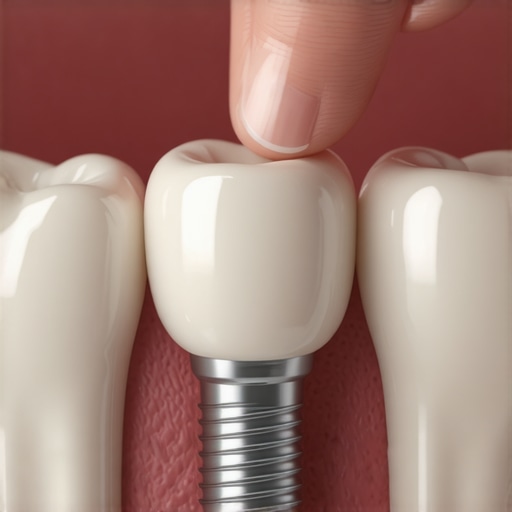
Have you ever tapped gently on your dental implant and been greeted by a strange hollow sound, making you wonder if something’s wrong? I remember the first time I experienced this sensation—my heart sank. It felt like my brand-new tooth was loose or about to fall out, and I couldn’t help but worry about whether I had made a mistake or if my implant was failing. That initial shock and anxiety are surprisingly common among folks who undergo dental implant procedures.
If you’ve found yourself tapping on your implant and hearing a hollow echo, you’re not alone. This sensation can be unsettling, especially if you’re not sure what it means. The good news is, in most cases, it’s not an immediate sign of failure, but understanding why it happens is crucial so you can address it properly.
Today, I want to walk you through what might be causing that hollow feeling when you tap on your implant, how to differentiate between normal post-procedure sensations and warning signs, and what steps you should take next. My goal is to help you navigate this experience with confidence and reassurance.
Is a Hollow Sound Normal After Getting a Dental Implant?
When I first noticed that hollow tap, I quickly started searching for answers—should I call my dentist right away? Is this something that will fix itself? During my research, I learned that some degree of a hollow sound or feeling is quite common, especially within the first few weeks after surgery. It often results from the way the implant integrates with the bone and surrounding tissues, causing variations in how your mouth feels and sounds when tapped.
However, this sensation isn’t always benign. Factors like the healing process, the placement of the implant, and your personal anatomy can all influence this feeling. In fact, a study published in the Journal of Oral Implantology notes that the initial healing period involves biological changes that can alter how your implant feels and sounds to the touch.
But there’s a fine line—while some tenderness or a hollow feeling can be part of normal healing, persistent or worsening sensations should trigger concern. Early mistakes I made included ignoring minor discomforts, thinking they would resolve on their own. That’s a mistake many make—assuming everything’s fine until it’s too late. It’s akin to ignoring a small leak in your roof, only to discover major damage later.
To avoid these pitfalls, stay attentive to your body’s signals. If your implant feels loose, painful, or if the hollow sensation remains beyond the initial healing phase, it’s wise to consult your dentist promptly. They can evaluate whether the implant is integrating properly or if there’s an underlying issue needing attention.
Have you experienced this hollow tap early after your implant placement? Keeping track of these sensations and sharing them honestly with your dental care provider can make all the difference in ensuring your implant’s success. Next, let’s discover how to tell whether what you’re feeling is typical or warrants professional intervention.
Test Your Implant’s Security with a Gentle Tapping Routine
Start by using your fingertip or a clean toothbrush handle to gently tap around the implant area. In my experience, applying consistent, light pressure helps identify any looseness. If there’s a consistent hollow sound or movement, note these sensations immediately. Be cautious not to push too hard; think of it like gently pressing a door hinge to check for squeaks—the goal is to feel for slack, not cause discomfort.
Detecting Wiggling or Looseness
If tapping reveals movement, it could indicate early signs of implant instability. I remember once thinking my implant was perfectly secure until I pressed more firmly and noticed a slight wobble. That moment prompted an urgent call to my dentist. Remember, it’s normal for implants to feel slightly different during healing, but persistent movement indicates a need for professional assessment. Learn more about how to evaluate implant stability.
Monitoring Sensations During the Healing Process
Apart from tapping, pay attention to how your mouth feels when chewing or gently biting down. A tactile check like this is comparable to testing the firmness of a freshly baked bread—resistance should gradually increase over weeks. I practiced this by biting softly on a clean finger, noting any unusual softness or bouncing. If the area feels unnaturally soft or sensitive beyond a few weeks, consulting your dentist is crucial to prevent complications.
Using Visual Cues to Confirm Healing Progress
Visual observation can also guide your assessment. Look for signs such as swelling reduction, gum color normalization, and absence of redness. I made a habit of taking weekly photos in good lighting to track healing. Noticeable changes over time reassure you that the implant is integrating well. For detailed guidance on grafting or crown placement, visit this comprehensive crown overview.
When to Seek Professional Advice Immediately
If your self-assessment uncovers persistent looseness, unusual pain, or discomfort, do not delay consulting your dentist. Think of it as catching a leak early in a plumbing system—preventing bigger issues later. During my experience, I scheduled an appointment within a day after noticing my implant felt unstable despite cautious tapping. Prompt professional assessment can determine if your implant is healing correctly or if intervention is necessary.
Preparing for Your Dental Visit
Before your appointment, jot down specific sensations—when they occur, their intensity, and any other symptoms like swelling or bleeding. This detailed record will help your dentist diagnose more accurately. Remember that a professional exam may include X-rays or other imaging to get a complete view of the implant’s status. For additional insights, explore tips on evaluating implant health.
Many people have a misconception that maintaining oral health revolves solely around brushing and regular checkups. However, **there are subtle nuances and common myths that can significantly hinder your dental progress**. One widespread myth is that all dental crowns are created equal—yet, choosing the wrong type or neglecting proper care can compromise both function and aesthetics. For example, many assume that veneers are a better option than crowns for minor chips, but as detailed in our comprehensive overview, crown versus veneer decisions should be personalized based on long-term durability and oral health benefits.Maintaining your dental health over the years requires more than just regular brushing and flossing; it demands the right tools and a proactive approach. I personally rely on an ultrasonic toothbrush, like the Philips Sonicare DiamondClean, because its vibration frequency effectively removes plaque where manual brushing often misses. This tool not only cleans thoroughly but also stimulates gums, aiding in long-term periodontal health. Pairing this with a water flosser, such as the Waterpik Aquarius, helps dislodge debris from hard-to-reach areas, especially around crowns and implants, reducing the risk of decay or peri-implantitis. For me, routine use of these devices has markedly improved the longevity of my restorations and implants.
When it comes to assessing ongoing results, digital intraoral scanners have revolutionized how we monitor progress. These devices provide detailed 3D images of your mouth, allowing your dentist to track tissue changes, crown fit, and implant stability precisely. Not only does this technology facilitate early detection of issues, but it also streamlines the process of updating or adjusting restorations, saving you time and preventing complications.
The future of dental care is leaning heavily into AI-driven diagnostic tools combined with advanced imaging, which promises even greater accuracy in predicting long-term outcomes. Technologies like AI-enhanced radiographs can flag subtle bone loss around implants before it becomes symptomatic, enabling preventative action.
### How do I keep my dental work functioning smoothly over time?
Regular professional checkups are essential, but the key often lies in the daily tools I choose. I recommend investing in a high-quality electric toothbrush with a pressure sensor. It helps prevent gum recession caused by applying too much force, which is a common mistake many make. Additionally, incorporating a water flosser into your routine can reach areas traditional floss can’t, ensuring your crowns, veneers, and implants remain in top shape.
I also advocate for keeping a detailed digital record of your dental images and treatment history, which your dentist can analyze over time. This comprehensive view helps in making informed decisions about maintenance or necessary adjustments.
Predicting where dental technology is headed, we’re on the cusp of integrating smart sensors that will continuously monitor oral health metrics, alerting you and your dentist about potential issues before symptoms appear. Embracing these innovations early can save you significant discomfort and costs down the line.
Finally, don’t underestimate the power of precise cleaning and assessment tools. For example, the latest crown technology ensures longer-lasting results when combined with diligent maintenance. Try adopting a weekly self-assessment using a mirror and gentle probing to identify early signs of wear or decay. These small steps will help you enjoy a healthy, functional smile for years to come.
What I Wish I Knew Before Tapping My New Implant
One of the biggest surprises I encountered after getting my dental implant was the hollow noise when tapping on it. I underestimated how normal this sensation can be during healing, leading to unnecessary worry. Learning that some degree of a hollow feeling is typical helped me stay calm and focus on proper healing. I also realized how crucial it is to listen to my body and communicate openly with my dentist rather than dismissing early signs as trivial.
How Small Tools and Observations Saved My Implant
I found that gentle palpation with my fingertip offered valuable clues about my implant’s stability. Using a clean toothbrush handle to test for wiggling provided immediate feedback and highlighted issues early. Visual cues like gum color and swelling became my daily checkpoints, ensuring I caught any anomalies before they worsened. These simple, proactive steps underscored the importance of personal vigilance during post-op recovery.
Why Professional Advice Is the Best Investment
Despite my efforts, I learned that persistent loose feelings or discomfort require expert assessment. Scheduling urgent visits when needed avoided potential complications. My experience showed that timely dental evaluations—using advanced imaging and diagnostics—are vital for successful implant integration. Trusting professional guidance, combined with self-awareness, creates a robust support system for your prosthetic journey.
Insider Wisdom for Navigating Implant Healing
- Don’t Ignore Minor Sensations: Small changes can hint at bigger issues; stay attentive.
- Use Simple Testing Methods: Light tapping and visual checks are powerful tools for early detection.
- Seek Help When Needed: Timely consultations can prevent future problems and save costs.
- Keep a Detailed Record: Document feelings, images, and any symptoms to assist your dentist.
Resources That Changed My Approach to Dental Care
- In-Depth Crown and Veneer Guides – These foundations helped me understand restoration options more clearly.
- Ultimate Crown Care Tips – Essential practices to prolong your restoration’s lifespan.
- Family Oral Health Strategies – Broader lifestyle habits that support implant success.
- Innovations in Family Dentistry – Keeping up with technological advancements that optimize treatment outcomes.
Embrace Your Dental Journey with Confidence
Understanding and trusting the nuances of your dental health can be empowering. Remember, your proactive efforts—like gentle self-assessment and timely professional consultations—are key to long-lasting, beautiful results. You’re already on the path to a healthier, more confident smile. Keep moving forward with curiosity and care.
**What was your experience with tapping on your implant? Did you notice any sensations that worried you or reassured you? Share below—I’d love to hear your story!**