
Why your porcelain crown looks darker than your natural teeth
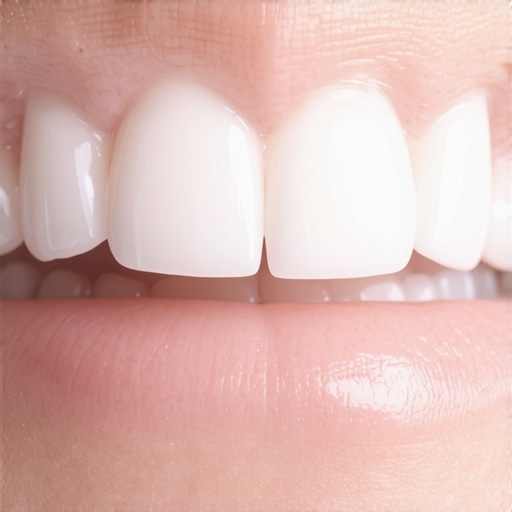
It was a quiet Saturday morning when I finally looked in the mirror and noticed something unsettling—my porcelain crown, once perfectly white, now looked dull and noticeably darker than my own teeth. My heart sank because, honestly, I had been so proud of my new smile. That frustrating realization hit me hard—my crown wasn’t matching the brightness I expected. If you’ve ever faced this dilemma, you’re not alone. Many people wonder why their dental restorations seem to lose their shine, creating a mismatch that ruins their confidence. Today, I want to share what I learned from personal experience and dental research so you can understand this common issue and, more importantly, how to address it effectively.
Understanding the Discoloration of Porcelain Crowns
The first thing I discovered was that porcelain crowns are generally designed to mimic natural teeth, but over time, various factors can cause them to appear darker or duller. One key reason is staining from everyday foods and drinks. Just like your natural teeth, crowns can absorb surface stains from coffee, tea, red wine, and even certain sauces. However, unlike natural enamel, which has some ability to re-mineralize and resist staining, porcelain can become more visibly dingy if not properly cared for.
Another overlooked factor is the aging process of the crown itself. Although porcelain is incredibly durable, it can undergo subtle changes in translucency and color over years. If your crown was placed many years ago, it’s likely that it has aged differently than your natural teeth. Additionally, the shade matching process during the crown’s placement might not have accounted for future color changes, leading to a mismatch as time passes.
I initially assumed that brushing harder or more frequently would keep my crown whiter. Turns out, aggressive brushing can wear down the outer layer and make discoloration more noticeable. Early on, I made the mistake of neglecting regular professional cleanings, which are essential for removing stubborn stains from both natural teeth and crowns. After a few sessions with my dentist, the difference was clear. Their advice? Regular maintenance and understanding the limitations of crowns are vital to keeping them looking their best.
Interestingly, some medications and health habits can also influence the color of crowns. For instance, iron supplements can cause staining, and habits like smoking dramatically accelerate discoloration. Recognizing these factors helped me adjust my lifestyle and extend the life of my dental work.
If you’re curious whether your crown’s discoloration is normal or a sign of something more serious, it’s worth consulting your dentist. They can evaluate whether a professional cleaning, whitening, or replacement is necessary. Want to know more about the options available? Check out this detailed guide on [how crowns can transform your smile and boost confidence](https://familydentistpro.com/transform-your-smile-how-crowns-boost-oral-health-confidence-at-815-am).
Now that you understand why your crown might look darker, the next step is learning how to prevent and fix this issue. But before diving into solutions, let’s address a common worry: “Is whitening your crown even worth it?” Keep reading to find out.
Clean Regularly and Properly to Combat Surface Stains
Start with routine brushing and flossing twice daily using non-abrasive toothpaste to prevent plaque buildup that can stain your crown. Once a week, incorporate a gentle whitening toothpaste designed for restorations. I once tried whitening my natural teeth aggressively, only to notice my crown’s color mismatch worsened. So, I learned to treat crowns with softer toothpaste, focusing on maintaining their surface integrity.
Schedule Professional Cleanings for Deep Stain Removal
Professional dental cleanings are essential. During my visits, my hygienist used ultrasonic scalers and polishing pastes specifically formulated for restorations. They removed stubborn stains from coffee and red wine, which over-the-counter products couldn’t handle. Regular cleanings, ideally every six months, keep your crowns and natural teeth bright and even.
Use Whitening Options Safe for Crowns
Many wonder if whitening treatments can brighten porcelain crowns. It’s crucial to choose products approved for restorations. I opted for in-office whitening recommended by my dentist, which uses gentle agents that won’t damage the porcelain. Additionally, avoid over-the-counter whitening kits unless your dentist confirms they’re compatible with crowns.
Consider Replacing or Recasting the Crown
If discoloration persists or the crown has aged significantly, replacement might be your best option. Modern crowns are crafted to match current shades perfectly. I consulted my dentist about having my crown replaced, and the new one seamlessly matched my teeth’s brightness, greatly boosting my confidence. Read more about [why crowns are a game-changer in restorative dentistry](https://familydentistpro.com/why-crowns-are-a-game-changer-in-restorative-dentistry).
Update Oral Hygiene Habits to Prevent Future Discoloration
Limit staining foods and drinks, rinse your mouth after consuming them, and avoid habits like smoking. I started using a straw for coffee, which significantly reduced the direct contact with my crown, helping it stay brighter longer. Check out [the best foods to naturally whiten your teeth](https://familydentistpro.com/the-best-foods-to-naturally-whiten-your-teeth-while-you-eat) for more tips.
Ask Your Dentist About Dental Veneers as a Last Resort
If whitening and replacement aren’t effective, veneers cover the entire front surface, providing a uniform and bright appearance. I once considered veneers after failed whitening attempts, but my dentist explained they offer a durable and aesthetic solution. Visit [the different options for improving your smile](https://familydentistpro.com/the-connection-between-morning-coffee-and-stained-dental-crowns) to explore your possibilities.
Many believe that regular brushing and flossing are sufficient to maintain optimal oral health, but this oversimplifies a complex field. A common misconception is that dental visits are only necessary when experiencing pain or discomfort; in reality, routine check-ups can prevent issues before they become severe, saving you time and money. Another myth is that all dental procedures, like crowns or aligners, are purely cosmetic, yet they play vital roles in overall health, supporting proper chewing function and preventing systemic infections.
How can understanding the hidden nuances in family dentistry improve long-term outcomes?
Experts emphasize that nuanced decisions—such as choosing the right type of crown or understanding the limitations of Invisalign—are crucial. For instance, some people mistakenly believe Invisalign is only suitable for minor corrections, but advances in technology now make it viable for more complex cases. According to a study published in the Journal of Clinical Orthodontics, improper case selection can lead to treatment failure or longer durations, underscoring the importance of consulting experienced professionals. Overlooking the importance of maintenance and follow-up care often results in recurrent problems like crown discoloration or aligner staining. To truly optimize oral health, patients should recognize that every choice—from brushing technique to selecting the right specialist—is interconnected. For example, misinterpreting the role of crowns might lead you to delay replacing a worn or discolored restoration, risking other issues down the line. Avoid falling into these traps by seeking guidance from qualified family dentists and staying informed about the latest innovations, such as new materials and technologies that enhance durability and aesthetics. Want to deepen your understanding? Explore this comprehensive guide on [why crowns are a game-changer in restorative dentistry](https://familydentistpro.com/why-crowns-are-a-game-changer-in-restorative-dentistry), which explains the often-overlooked benefits beyond appearance. Remember, being aware of these nuanced aspects can dramatically impact your dental health over the years. Don’t forget—regular professional assessments are the cornerstone of a healthy smile. Curious about how to make the most of your next visit? Reach out to us via our [contact page](https://familydentistpro.com/contact-us-2) and ask about personalized care strategies to ensure your family’s smile stays resilient and beautiful. Have you ever fallen into this trap? Let me know in the comments.Maintaining your dental work requires more than just regular brushing; it hinges on employing the right tools and techniques carefully selected for longevity. My personal favorite for regular maintenance is the Sonicare DiamondClean toothbrush, which uses ultrasonic technology. Unlike standard brushes, it features micro-vibrations that effectively remove plaque and surface stains without damaging delicate restorations like crowns or veneers. I also rely on water flossers, such as the Waterpik Ultra, which are gentle on bonded areas and hard-to-reach spots, significantly reducing the risk of decay around crowns. Using custom-made whitening trays from your dentist, instead of generic products, allows targeted, safe whitening that preserves the integrity of porcelain restorations. Seeing a specialist for regular examinations, especially for complex procedures like Invisalign, ensures ongoing monitoring, which is essential as aligners can trap bacteria and cause staining if not properly managed. As technology advances, digital tools like intraoral scanners improve precision in diagnosis and monitoring, enabling early detection of issues such as microcracks in crowns or early signs of enamel breakdown. The trend is leaning toward integrated digital workflows that streamline maintenance, reduce chair time, and improve outcomes. Experts predict that AI-powered imaging and personalized dentistry apps will become standard, allowing patients to track their oral health and receive tailored advice. A 2023 study in the Journal of Dental Technology highlights how these innovations aid in early problem detection, ultimately prolonging restoration lifespan.
#### How do I keep my family’s dental tools in top shape?
Regularly replacing toothbrush heads (every three months), cleaning water flossers thoroughly after each use, and storing tools in dry, sanitary environments help prevent bacterial buildup. Scheduling bi-annual checkups with a trusted dentist who uses state-of-the-art equipment ensures your entire family’s oral health stays on track. Trying advanced methods like laser cleaning sessions can eradicate plaque and tartar more thoroughly, especially in hard-to-reach areas around crowns or implants.
Increasingly, understanding how to implement these tools into daily routines makes a big difference in long-term results. For example, I’ve started using an ultrasonic scaler at home with gentle settings recommended by my dentist, which helps prevent minor plaque build-up from becoming a bigger issue over time. To stay ahead, consider investing in a digital dental health app that offers reminders, education, and progress tracking. Embracing these tools, alongside traditional practices, maximizes the longevity of your restorations and overall oral health.
Looking toward the future, advancements such as AI diagnostics and biocompatible restorative materials promise even better durability and less maintenance. Staying informed and adopting innovative approaches now will make a tangible difference in your family’s oral health journey. Don’t hesitate to discuss new tools and techniques with your dental professional during your next visit—taking proactive steps today ensures brighter smiles tomorrow. For comprehensive guidance, explore how [professional dental monitoring](https://familydentistpro.com/how-invisalign-transforms-family-dentistry-in-2025) is revolutionizing long-term care strategies in family dentistry. Ready to elevate your oral health routine? Start by incorporating a high-quality ultrasonic toothbrush and schedule your next professional examination—your future self will thank you.
The Lessons Hidden Beneath the Surface of Cosmetic Dental Care
One of the most surprising insights I gained is that maintaining dental restorations isn’t just about surface cleaning; it’s about understanding their unique susceptibilities. I believed regular brushing was enough, but I learned that customizing my oral hygiene routine with tools like ultrasonic toothbrushes truly preserved my smile. Another lesson was that even the most durable porcelain crowns can age differently, reminding me that restorations require proactive management, not just reactive fixes. Perhaps most eye-opening was realizing that lifestyle habits—like drinking coffee with a straw—could significantly extend the freshness of my crowns and Invisalign trays, saving me time and expenses down the line. These personal revelations underline that informed care is the best investment for a lasting, confident smile. Real oral health success depends on a nuanced approach that combines technology, habits, and professional guidance beyond basic routines.