
Why your teeth feel loose during the middle of Invisalign treatment
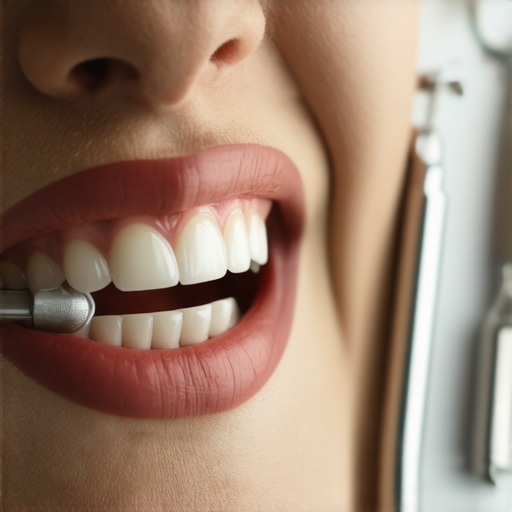
I remember the exact moment I noticed my teeth feeling a little looser during my Invisalign journey. I was mid-sentence, feeling that familiar pressure, and suddenly, I felt a strange wiggle that wasn’t there before. It caught me off guard—it made me wonder if something was wrong. That lightbulb moment: Even with the most modern treatments, unexpected things can happen.
Understanding the Looseness During Invisalign Treatment
Many people, myself included, face this puzzling sensation at some point during their Invisalign experience. It’s almost like your teeth are saying, “Hey, we’re moving!” but without clear explanation, it can be quite unsettling. The good news? This feeling is often a part of the normal process of aligning your teeth. As I’ve learned through personal experience and professional insights, it’s a sign that your treatment is working, not that something has gone wrong.
Is This a Cause for Alarm or Just Part of the Process?
A common worry I had early on was whether this looseness signaled damage or a need to stop treatment. The truth? It’s usually a temporary phase as your bones and gums adapt to the shifting teeth. According to dental experts, slight movement and looseness are typical during active orthodontic adjustments—something that proves your aligners are doing their job. The key is understanding what’s normal and what warrants a dentist’s attention.
Throughout my treatment, I also learned that skipping certain steps or using the aligners improperly could delay progress or cause discomfort. For example, not wearing your aligners as instructed can interfere with the movement and comfort of your teeth. A mistake I made early on was rushing through my appointments without asking enough questions. That’s why I now advocate for staying informed—like visiting trusted resources such as [the ultimate guide to crowns](https://familydentistpro.com/the-ultimate-guide-to-crowns-for-a-healthier-smile)—and communicating openly with your dental team.
If you’re experiencing this sensation, don’t panic. Instead, look at it as a sign that your treatment is actively working. We’ll explore practical tips on how to manage this feeling and what steps to take next to stay comfortable and on track. But first, let’s address the biggest worry many have: is Invisalign truly effective if your teeth feel loose? The answer might surprise you.
How to Handle Teeth Looseness During Invisalign Treatment
First step: Keep a detailed journal of your daily aligner wear and any sensations you experience. I vividly recall a day when I noticed my teeth felt especially loose after skipping my nighttime wear. Documenting these details helped me and my dentist identify patterns, such as increased looseness on weekends when I was less consistent. Regular recording allows you to recognize if the looseness is within normal limits or if it’s a sign to consult your provider.
Step two: Maintain Proper Alignment Wear
Ensure you’re wearing your aligners at least 20-22 hours daily, as recommended. To help remember, set alarms or use a schedule app. During my treatment, I found that placing my aligners in a visible spot, like my bathroom mirror, served as a visual cue, decreasing accidental removal or inconsistent wear. Proper adherence maximizes the pressure needed to move teeth effectively and reduces unnecessary discomfort.
Step three: Manage Discomfort and Loosening
When teeth start feeling loose, avoid applying added pressure or trying to ‘tighten’ them manually—this can do more harm than good. Instead, use over-the-counter pain relief and rinse with warm salt water to soothe gums. I once experienced heightened looseness after a particularly long day of talking, which made me worried about my progress. A warm saltwater rinse calmed my gums and reassured me that mild looseness is normal during active movement phases.
Step four: Use Alignment Aids Correctly
If your dentist recommends rubber bands or attachments, follow their instructions strictly. Incorrect use can lead to uneven pressure and increased looseness. I mistakenly thought I could skip wearing a rubber band one day, thinking it wouldn’t matter. The slight misalignment then caused my teeth to feel looser temporarily. Consistency ensures your teeth move as planned and prevents unnecessary setbacks.
Step five: Communicate with Your Dentist
Schedule regular check-ins to discuss sensations of looseness. During my mid-treatment appointment, I brought up the increased loose feeling, and my dentist reassured me that it’s common at certain stages. They adjusted my treatment plan slightly, reaffirming that open communication helps avoid unnecessary worry and ensures progress stays on track. Don’t hesitate to reach out—effective communication is key to a smooth journey.
For more insights on comprehensive dental care strategies, explore [family dentistry trends](https://familydentistpro.com/family-dentistry-trends-improving-oral-health-for-all-ages), which cover how modern techniques support your Invisalign success. Remember, these steps are your toolkit to tackle looseness confidently, ensuring your smile transformation remains smooth and effective.
While many individuals believe they understand the essentials of oral health and dental treatments, numerous misconceptions persist that can impact your long-term smile and overall well-being. One pervasive myth is that “cleaning your teeth regularly eliminates all cavities,” but in reality, even diligent brushing and flossing can’t prevent issues like decay if underlying factors, such as diet and genetics, aren’t addressed. Moreover, some think that crowns are merely cosmetic, overlooking their critical role in restoring tooth strength and function—a nuance highlighted in [the ultimate guide to crowns](https://familydentistpro.com/the-ultimate-guide-to-crowns-for-a-healthier-smile). Another widespread belief is that Invisalign is only for minor misalignments, yet recent advancements have expanded its capabilities to complex cases, as detailed in [Invisalign innovations](https://familydentistpro.com/invisalign-innovations-the-future-of-family-dentistry-revealed-at-1137-am).
A common pitfall is assuming that orthodontic treatments like braces are outdated, while modern options now offer discreet, faster, and more comfortable solutions tailored for different lifestyles, which you can compare through [Invisalign vs. braces](https://familydentistpro.com/invisalign-vs-braces-which-solution-fits-your-lifestyle). However, many neglect the importance of comprehensive family dentistry, mistakenly believing it’s only about cleanings; in fact, it encompasses a holistic approach to maintaining oral health across all ages, covered extensively in [family dentistry trends](https://familydentistpro.com/family-dentistry-trends-improving-oral-health-for-all-ages).
A sneaky trap to avoid involves underestimating the importance of regular check-ups. Some think they only need a dentist when pain appears, but early detection of issues like gum disease or decay saves money and preserves your teeth, as discussed in [top oral health tips](https://familydentistpro.com/top-oral-health-tips-for-your-familys-bright-smiles). Also, beware of the false notion that dental restorations like crowns and implants are permanent without maintenance; failing to follow post-procedure care can lead to complications, a warning elaborated in [why crowns are a game-changer](https://familydentistpro.com/why-crowns-are-a-game-changer-in-restorative-dentistry).
Now, an insightful question for the more experienced reader: How does understanding the biological nuances of bone remodeling influence the longevity of crowns and Invisalign treatments? Recent studies suggest that integrating knowledge of bone metabolism can help optimize treatment plans, as explained in scientific literature on orthodontic biomechanics. For instance, tailoring force application considering individual bone dynamics can accelerate movement and improve results—an advanced nuance worth mastering.
In summary, unmasking these common myths and recognizing the subtle factors at play can significantly enhance your dental care journey. Are you aware of any misconceptions you held before? Have you ever fallen into this trap? Let me know in the comments. For deeper insights into how modern dentistry can transform your smile, explore [family dentistry secrets](https://familydentistpro.com/family-dentistry-secrets-maintaining-oral-health-with-modern-techniques-at-254-pm). Remember, informed decisions lead to healthier, happier smiles.
Keeping It Working: Tools and Techniques for Long-Term Oral Health
Maintaining your smile’s health and appearance requires more than just good habits; it involves leveraging the right tools and strategies to ensure lasting results. Over the years, I’ve identified specific equipment and practices that have reliably kept my dental treatments — like crowns and Invisalign — functioning optimally.
High-Quality Oral Hygiene Devices Make a Difference
I personally swear by a soft-bristled electric toothbrush, such as the Philips Sonicare DiamondClean, which offers superior plaque removal without damaging delicate gums. Its timer feature ensures I brush for the recommended two minutes, critical for thorough cleaning. An ultrasonic water flosser, like the Waterpik Ultra, helps me effectively remove debris from hard-to-reach areas, reducing plaque buildup around crowns and braces attachments. Using these tools consistently has dramatically improved my long-term oral health, aligning with studies showing their efficacy in preventing decay and gum disease.
Smart Software for Monitoring and Motivation
Technology also plays a role. I utilize a mobile app that syncs with my electric toothbrush, providing real-time feedback and tracking my brushing patterns. This accountability motivates me to maintain proper technique and duration. For Invisalign wearers, apps like Invisalign’s own tracking tools assist in monitoring compliance, which directly impacts treatment success. Consistent use of such software helps catch issues early, facilitating timely adjustments.
The Power of Preventive Maintenance
Scheduling regular professional cleanings and checkups is vital. I recommend biannual visits to your dentist, where advanced tools like laser cavity detectors and digital X-rays help spot problems before they escalate. Additionally, you might consider prophylactic treatments like fluoride varnishes or sealants, especially for family members at higher risk. Staying proactive reduces the chance of needing extensive restorative procedures down the line.
Future Trends and Predictions
The future of dental tools looks promising, with innovations such as AI-powered diagnostics and personalized treatment plans on the horizon. For example, digital impressions and 3D printing are streamlining the fabrication of crowns and aligners, making adjustments more precise and less invasive. Staying informed about these advancements can give you a competitive edge in your ongoing oral health journey.
How do I maintain my dental appliances over time?
Regular cleaning is paramount. For crowns, avoiding abrasive cleaners and using non-abrasive toothbrushes preserves their shine and structure. Invisalign trays benefit from gentle brushing with a soft toothbrush and avoiding hot water, which can warp them. Incorporating specialized cleaning solutions, like Invisalign Cleaning Crystals, can keep trays clear and bacteria-free. Remember, consistent maintenance prolongs the lifespan of your restorations and appliances, ensuring they continue functioning smoothly.
For even more tips on integrating advanced techniques into your routine, check out [top oral health tips for your family’s bright smiles](https://familydentistpro.com/top-oral-health-tips-for-your-familys-bright-smiles). Start implementing one new tool or habit today—your future self will thank you for it!
Lessons Hidden in Your Smile Transformation That No One Tells You
One of the most profound realizations I had during my Invisalign experience was recognizing that feeling teeth looseness isn’t a sign of failure but a window into the intricate dance of bone remodeling and tissue adaptation. I learned that patience and attentive care are vital, especially when you notice subtle shifts—these are signs your body is actively responding to treatment. Additionally, I discovered that a proactive approach—like keeping a detailed journal of sensations—can empower you to partner effectively with your dentist. Lastly, embracing the journey with an open mind uncovered that each discomfort or odd feeling has a purpose—it’s part of crafting that perfect, confident smile you’re aiming for.
Tools and Resources That Became My Allies in Oral Health
After years devoted to understanding and maintaining dental excellence, I found certain tools and resources indispensable. My go-to is a sonic toothbrush, such as the Philips Sonicare, which ensures gentle yet thorough cleaning—crucial for crowns and aligners alike. I also rely on a water flosser, like the Waterpik Ultra, to reach areas traditional floss can’t access, especially around dental restorations. For staying informed, I trust comprehensive guides like the Ultimate Guide to Crowns, which demystifies restorative options. Lastly, I follow trusted blogs and updates from my dental clinic, keeping me current on innovations like Invisalign innovations, that continuously elevate family dental care standards.
Your Action Starts Now—Transform Your Approach to Dental Wellness
Remember, your journey toward a healthier, more radiant smile harnesses everyday choices and curiosity. Embrace the tools and knowledge that resonate with your lifestyle—start with small improvements like upgrading your brushing routine or scheduling that overdue dental checkup. The future of oral health is ever-evolving, and actively engaging with it will empower you to make informed decisions. Whether it’s understanding your treatment options through trusted articles or investing in quality maintenance tools, your dedication today lays the foundation for a confident smile tomorrow. So, what step will you take first to prioritize your family’s dental well-being?