
Why Your Temporary Crown Keeps Popping Off Every Time You Eat
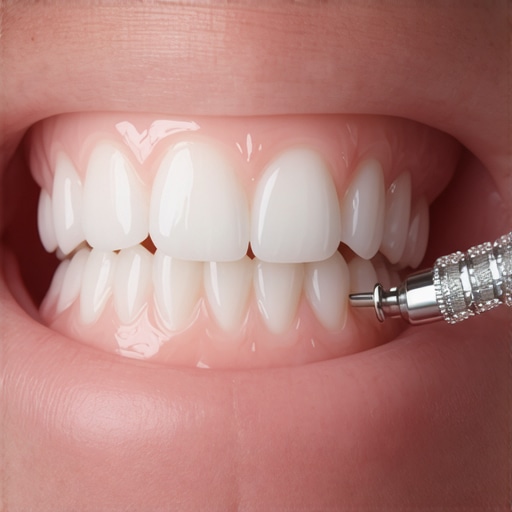
Imagine this: you finally get that temporary crown placed, feeling optimistic about completing your dental restoration. But then, within days—sometimes even hours—you’re faced with the frustrating reality that it keeps popping off every time you eat. It’s like your tooth is playing a cruel game of catch with your crown, and you’re always losing. If this sounds familiar, you’re not alone. I’ve been there myself, and I understand how disheartening it can be to have your dental progress sabotaged by something as simple as a meal.
The Hidden Reasons Your Temporary Crown Keeps Falling Off
There are several reasons why your temporary crown might be uncooperative during mealtime. Often, it’s tied to how the crown was placed or how your body responds post-procedure. For example, higher biting forces or improper fit can cause the crown to loosen prematurely. I once ignored the importance of following my dentist’s dietary advice, and guess what? My crown popped off at the worst moment—right before a big meeting. That mistake taught me the significance of proper care and understanding the underlying causes.
Understanding these factors can save you from ongoing discomfort and repeated trips to the dentist. And the good news? Most problems can be addressed with simple adjustments or guidance. To get closer to a solution, it’s crucial to know what might be causing your crown to keep falling off and how to prevent it from happening again. If you’re tired of dealing with this recurring issue, let’s explore what’s really behind it and how you can protect your investment in your smile.
Is Your Crown Falling Off Because of Poor Quality or User Error?
One of the biggest myths I fell for early on was assuming that all crowns are created equally, which isn’t true. I learned the hard way that a poorly fitted crown or a cheap material can make it prone to popping off. Conversely, even the best quality crown can come loose if I didn’t follow proper care tips. For example, biting into hard foods too soon after placement can dislodge the crown, something I wish I’d known sooner. To avoid making this mistake, consult with your dentist about the best foods to eat and what habits to avoid during your crown’s critical bonding period.
This is why I often recommend scheduling a follow-up appointment or directly contacting your dental provider to ensure your crown is properly fitted and sealed. If you’re unsure whether your issue is related to fit or material, a quick visit to a family dentist can clarify things. They can also discuss options like crown quality and selection, which might be the key to preventing future problems. Still wondering whether your crown problem is manageable? Keep reading—there’s a straightforward fix for this.
Are you dealing with recurrent crown popping, or has this happened just once? Share your experiences or ask questions below—I’m here to help you navigate through this common yet often misunderstood dental challenge. Remember, addressing the root cause early can save you time, money, and a lot of stress down the line.
Secure Your Crown Step by Step
Schedule an Immediate Check-Up
First, contact your dentist promptly to assess whether your crown was properly fitted. During my experience, I called right after mine popped off, and the dentist reinforced the cement seal, preventing recurrent issues. To do this, visit your dental provider for a quick evaluation, ensuring the fit is snug and secure.
Follow Dietary Restrictions Strictly
Avoid hard, sticky, or chewy foods for at least 24 hours post-appointment. I once tried eating a crispy apple shortly after getting my crown, which led to it coming loose. Think of your crown like a fragile gear—don’t rush to force it into action. During the bonding period, opt for soft foods like yogurt, mashed potatoes, or smoothies. This reduces undue pressure on the restoration and safeguards your investment.
Master Proper Oral Care Techniques
Use Gentle Brushing and Flossing Methods
Brush with a soft-bristled toothbrush to prevent dislodging the crown. When flossing, slide it gently underneath the crown edge, avoiding forceful motions that can loosen the cement. I learned this tip after experiencing some discomfort from aggressive flossing—now I carefully thread the floss beneath the crown without stretching or tearing the material. Incorporate interdental brushes or water flossers if needed, but always with gentle pressure. Proper technique minimizes the risk of crown loosening over time.
Avoid Using Excessive Force
Be cautious with your bite. Chewing on ice or hard candies can crack or loosen your crown. Think of your tooth as a delicate jar—apply pressure mindfully to prevent accidental damage. During my own recovery, I avoided crunchy snacks entirely until I received confirmation from my dentist that my crown was securely bonded.
Implement Protective Measures
Consider a Night Guard for Parafunctional Habits
If you grind or clench your teeth at night, your crown is vulnerable. I started wearing a custom night guard, which I ordered through my dentist, and noticed a significant decrease in crown loosening incidents. This simple device acts like a cushion, absorbing excessive bite forces. Protecting your restoration from these habits prolongs its lifespan and reduces the chance of it falling off during subsequent meals.
Use Dental Cement Sparingly as a Temporary Fix
If your crown has just fallen off and you can’t see the dentist immediately, over-the-counter dental cement can temporarily reattach it. Follow package instructions carefully. I did this once before a weekend trip, and it held until my appointment. Remember, this is only interim—see your dentist as soon as possible for a proper re-cementing and assessment.
Follow Up Regularly
Routine Check-Ups Impact Crown Longevity
Stick to your regular dental visits for professional cleaning and checkups. During one visit, my dentist identified minor cement degradation, allowing early repair. This proactive approach helps catch issues before they result in crown failure, saving you from more extensive procedures later. Regular maintenance also educates you on proper care tailored to your unique dental needs.
By adopting these actionable steps—timely check-ups, careful eating, proper oral hygiene, protective measures, and regular visits—you significantly decrease the chances of your temporary crown falling off during meals. Remember, your smile’s health relies on consistent, informed practices. For personalized guidance, don’t hesitate to reach out to your dental professional.
,When it comes to modern dentistry, there’s a lot of misinformation circling around, especially regarding treatments like Invisalign, crowns, and overall oral health. Many assume that these procedures are straightforward, but in reality, nuances and misconceptions can lead to costly mistakes. For instance, a common myth is that all dental crowns are the same quality. In fact, the material and fit significantly impact longevity and oral health—poor-fitting crowns can cause decay or gum issues. As highlighted by dental experts, choosing the right type of crown tailored to your needs is essential, and consulting with a specialist can make a difference. Additionally, many believe that Invisalign is just a cosmetic fix; however, its hidden benefits include improvements in bite function and long-term oral health, which are often overlooked in superficial discussions. Want to learn more? Check out [the hidden benefits of Invisalign](https://familydentistpro.com/the-hidden-benefits-of-invisalign-for-family-dental-care-in-2025-at-903-am) for a comprehensive perspective. Another misconception is that oral health is solely about brushing and flossing. In reality, factors like saliva flow, diet, and even your body’s immune response play a role in oral health, especially for families managing multiple generations’ needs. Failing to recognize these nuances can lead to overlooked symptoms or improper care, increasing the risk of cavities and periodontal disease. Be cautious about common pitfalls—think you know everything? Think again. A critical mistake I often see is ignoring early warning signs of dental problems, which can escalate if left unaddressed. Many are surprised to learn that minor discomfort or bleeding gums can be early indicators of systemic issues or the need for preventive treatments. If you’re unsure about your dental health, don’t wait—schedule an evaluation through your local family dentist, who can offer tailored advice and proactive care. Remember, the goal isn’t just to fix problems as they happen but to understand the science behind them and prevent issues before they arise.
Can Invisalign Really Drastically Improve Your Oral Health?
Many assume orthodontic solutions are purely for aesthetics, but advanced research shows that proper alignment reduces wear, improves function, and decreases risks for temporomandibular joint disorders. For example, a study published in the Journal of Clinical Orthodontics demonstrates that Invisalign’s technology can effectively correct bite issues, boosting both confidence and long-term health—proving that orthodontics is more than just straightening teeth. So, if you’re considering Invisalign, look beyond the superficial and explore how it can enhance your overall oral health. Don’t let misconceptions hold you back from making informed decisions—your smile and health are worth it. For personalized assessments, contact your trusted family dentist at [this link](https://familydentistpro.com/contact-us-2). Remember, understanding these hidden nuances empowers you to take charge of your dental journey. Have you ever fallen into this trap? Let me know in the comments.
Maintaining your dental restorations effectively requires more than just regular brushing and flossing. Investing in the right tools can greatly extend their lifespan and ensure your oral health remains optimal. I personally rely on specific equipment and software, tailored for precision and ease of use, to keep my smile in top shape. Over time, the trend in dental care is shifting towards smart, tech-enabled solutions that provide real-time feedback and professional-grade care at home.
Why I Switched to Wireless Oral Cameras
One of the game-changers for me has been using a wireless intraoral camera. This device allows me to visually monitor hard-to-see areas of my mouth on my smartphone or tablet, helping me identify early signs of issues such as plaque buildup or minor erosion. Unlike traditional mirrors, these cameras offer high-definition images, making maintenance much more effective. I regularly use mine to inspect my crowns and detect any potential problems before they become serious. Such proactive monitoring aligns with predictions in dental technology—sources like future advancements emphasize a move toward AI-powered diagnostics that could soon integrate with home tools.
Advanced Cleaning with Water Flossers and Sonic Devices
Standard flossing works, but I find water flossers and sonic toothbrushes to be superior in removing debris around crowns and implants. The pulsating water breaks down biofilm more effectively than string floss, especially in tight spaces. I use a water flosser with customizable pressure settings, ensuring gentle yet thorough cleaning. Scientific studies, such as those documented in the National Library of Medicine, support their efficacy in maintaining oral health, especially over extended periods. Incorporating these tools into my daily routine has prevented recurrent decay and gum issues around my restorations.
How do I maintain my tools over time?
Proper maintenance of your dental tools is vital for their longevity and effectiveness. Regularly disinfect your water flosser and sonic toothbrush according to manufacturer instructions—usually, replacing brush heads every three months is recommended. Store devices in a dry, clean environment and avoid exposing them to extreme temperatures. Additionally, keep the software of your intraoral cameras or diagnostic apps updated for the latest features and security. Consistent care prevents bacteria buildup and ensures your tools work optimally, safeguarding your investment in your smile.
Looking ahead, the integration of AI and machine learning will likely enable even smarter home dental devices, capable of detecting subtle changes in your oral health and advising when professional intervention is necessary. This evolution promises to make maintenance both more intuitive and personalized. To beat the wear and tear on your restorations, I encourage you to try using an intraoral camera combined with a high-quality water flosser — tools I’ve found invaluable for in-home care that rivals visits to the professional office.
Lessons from the Dental Frontlines That Changed My Approach
One of the biggest revelations was realizing that not all crowns are equal—materials, fit, and bonding techniques vary greatly. This understanding has made me more vigilant about asking my dentist detailed questions and not settling for the first option. Another eye-opener was how my habits—like chewing ice or neglecting follow-up care—directly impacted the longevity of my restorations, teaching me the importance of proactive prevention. I also discovered that even minor discomfort or a slightly loose crown should never be ignored; early action often saves time and money. Lastly, I learned that ongoing education about oral health empowers you to make smarter choices, avoiding the pitfalls of misinformation and self-diagnosis that can jeopardize your smile’s future.